Fitment and Vehicle Upgrade Guide
Upgrading your vehicle should involve more than choosing the wheels, tires or suspension components that look best in a photo.
Fitment Guide
Every part of a vehicle build needs to work together.
The wrong wheel offset can cause a tire to rub against the suspension or extend too far beyond the fender. A larger tire may affect steering, braking, ride comfort and speedometer accuracy. A lift kit may create additional clearance, but it does not automatically guarantee that every wheel-and-tire combination will fit properly.
That is why vehicle fitment matters.
Automotive Expressions helps drivers plan wheel, tire, suspension and accessory upgrades based on the specific vehicle, the desired appearance and how the vehicle will actually be used. Whether you are upgrading a daily driver, building a lifted truck, lowering a performance vehicle or preparing an SUV for off-road use, proper planning can help prevent expensive fitment problems later.
This guide introduces the four major areas that should be considered when planning a vehicle upgrade:
- Wheel fitment
- Tire fitment
- Suspension and lift fitment
- Complete vehicle builds
Each part of the build affects the others. The best results usually come from planning the full package before ordering individual components.
What Does Vehicle Fitment Mean?
Vehicle fitment describes how well a wheel, tire, suspension component or other upgrade works with a specific vehicle.
Basic fitment begins with whether a part can physically be installed. Complete fitment goes much further.
A wheel may have the correct bolt pattern and still create problems because its width or offset places the tire too close to the suspension. A tire may mount on the selected wheel but rub when the steering wheel is turned or the suspension compresses. A lift kit may provide additional height while still requiring a carefully selected wheel offset to create enough clearance.
Proper fitment may involve reviewing:
- Vehicle year, make and model
- Trim level
- Two-wheel-drive or four-wheel-drive configuration
- Factory wheel and tire specifications
- Wheel diameter and width
- Bolt pattern
- Wheel offset
- Backspacing
- Hub-bore size
- Tire width and overall diameter
- Tire load rating
- Brake-caliper clearance
- Suspension clearance
- Fender and wheel-well clearance
- Steering movement
- Suspension travel
- Ride height
- Alignment
- Towing or hauling requirements
- Daily-driving needs
- Off-road use
- Desired stance and appearance
What Does Vehicle Fitment Mean?
Vehicle fitment describes how well a wheel, tire, suspension component or other upgrade works with a specific vehicle.
Basic fitment begins with whether a part can physically be installed. Complete fitment goes much further.
A wheel may have the correct bolt pattern and still create problems because its width or offset places the tire too close to the suspension. A tire may mount on the selected wheel but rub when the steering wheel is turned or the suspension compresses. A lift kit may provide additional height while still requiring a carefully selected wheel offset to create enough clearance.
Proper fitment may involve reviewing:
Wheel Fitment
Custom wheels can completely change the appearance of a car, truck or SUV, but wheel diameter is only one part of the fitment equation.
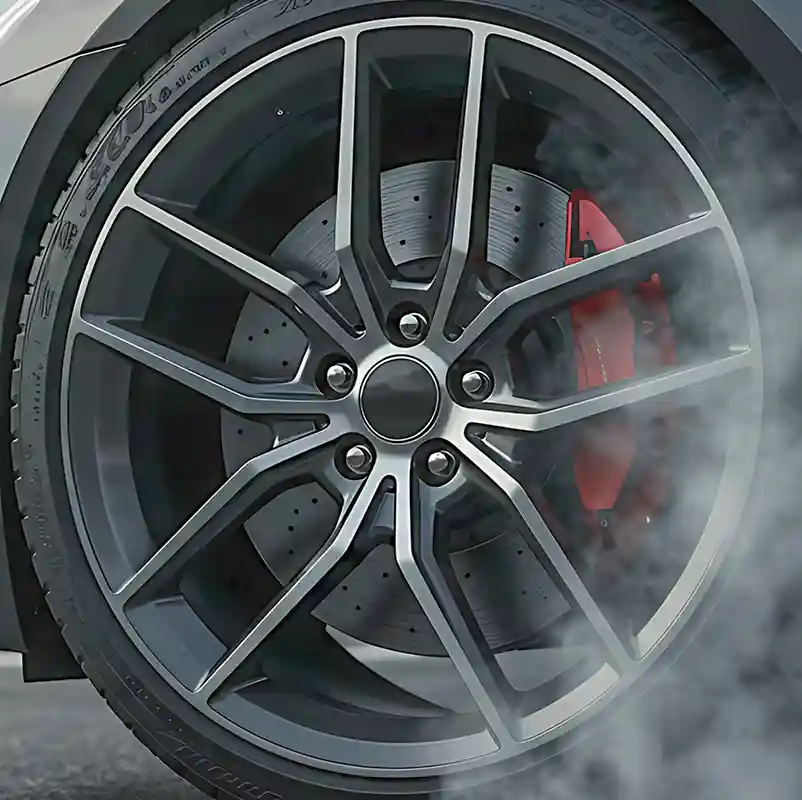
A complete wheel-fitment review should also consider wheel width, bolt pattern, offset, backspacing, center bore, load rating and brake clearance. Each measurement affects where the wheel sits in relation to the suspension, brake components and fenders.
Wheel offset is especially important. A change in offset can move the wheel farther inward toward suspension components or farther outward toward the fender. That change may affect tire clearance, vehicle stance, steering feel and how far the wheel extends beyond the body.
Wheel width must also be matched to the selected tire. A wheel that is too narrow or too wide for the tire can affect sidewall shape, steering response and tire performance.
Brake clearance can create additional challenges, especially on vehicles with larger factory brakes or performance brake packages. A wheel may have the correct diameter and bolt pattern but still fail to clear the caliper because of its spoke shape or internal barrel design.
The right wheel should provide the appearance you want while remaining appropriate for the vehicle’s suspension, brakes, weight and intended use.
Automotive Expressions can help you compare wheel sizes, finishes and fitment options before you place an order. Contact our Flowery Branch shop with your vehicle year, make, model and desired look, and we will help you evaluate wheel options that fit your vehicle and your build goals.
Related Topics
- Wheel Fitment Guide
- Wheel Bolt Patterns Explained
- Wheel Offset Explained
- Wheel Backspacing Explained
- Wheel Width Guide
- Hub Bore Explained
- Hub-Centric vs. Lug-Centric Wheels
- How to Check Wheel Fitment
- How to Choose the Right Wheel Size
- How to Determine Brake Clearance
- How Wheel Size Affects Handling and Ride Quality
Tire Fitment
Tire fitment affects appearance, clearance, traction, comfort, handling and vehicle performance.
A tire size includes more information than its wheel diameter. Width, sidewall height and overall tire diameter all influence how the tire fits inside the wheel well and how the vehicle behaves on the road.
Larger tires may provide a more aggressive appearance, additional ground clearance or improved off-road traction. They can also add weight, reduce available clearance and affect acceleration, braking, fuel economy and speedometer accuracy.
Tire load rating is another important consideration, particularly for trucks and SUVs used for towing, hauling or carrying heavy equipment. A tire should be selected based on the vehicle’s load requirements and intended use—not appearance alone.
Tread design also matters.
All-terrain tires generally provide a balance between paved-road comfort and off-road capability. Mud-terrain tires use more aggressive tread patterns but may create additional road noise. Highway and performance tires may provide better comfort or handling for vehicles that spend most of their time on pavement.
The best tire for a daily-driven truck may not be the best tire for a vehicle used regularly off-road. Likewise, a towing vehicle may require different load and sidewall characteristics than a vehicle built primarily for appearance.
Tire fitment must also be evaluated with the chosen wheel and suspension setup. A tire that fits on one wheel may rub when installed on a wider wheel or a wheel with a more aggressive offset.
Automotive Expressions can help you compare tire sizes, tread designs and load ratings based on how you drive. Contact us before ordering larger tires so we can help you evaluate clearance, wheel compatibility and whether suspension changes may be needed.
Related Topics
- Tire Size Guide
- How to Read Tire Sizes
- How to Choose the Right Tire Size
- What Is Tire Load Rating?
- How Larger Tires Affect Your Vehicle
- How Tire Size Affects Speedometer Accuracy
- How Tire Size Affects Ride Quality
- How to Choose Tires for Towing
- How to Choose Tires for Off-Road Driving
- How to Choose Tires for Daily Driving
- What Causes Tire Rubbing?
Suspension and Lift Fitment
Suspension changes have a direct effect on wheel and tire fitment.
Lift kits, leveling kits, lowering kits, springs, coilovers and other suspension upgrades change the vehicle’s ride height and the relationship between the wheels, tires, fenders and suspension components.
A lift kit may create room for larger tires, but lift height alone does not determine which tire size will fit. Available clearance may also depend on wheel width, offset, tire width, steering angle, suspension travel and vehicle-specific obstacles inside the wheel well.
A leveling kit typically raises the front of a truck to reduce the factory rake. This may create space for a moderately larger tire and provide a more level stance. A full lift kit usually produces a greater height change and may involve more extensive suspension components.
Lowering a vehicle creates a different set of fitment considerations. Wheel width, offset, tire sidewall, suspension travel and alignment must be selected carefully to reduce the risk of fender contact and tire rubbing.
Suspension modifications may also change alignment angles. An alignment is commonly needed after changing ride height to help correct toe, camber, caster and steering-wheel position. Some vehicles may require additional components to achieve appropriate alignment settings.
Ride quality should also be part of the decision. A suspension setup designed primarily for aggressive appearance may not provide the comfort expected from a daily driver. Likewise, a lift designed for off-road performance may behave differently from a mild leveling kit used primarily for larger tires.
The right suspension upgrade depends on the vehicle, the desired tire size, the intended use and the amount of change the driver wants.
Automotive Expressions can help you plan your suspension, wheel and tire package as one coordinated build. Contact us before choosing a lift, leveling kit or lowering system, and we will help you evaluate the components needed to reach your desired stance and clearance.
Related Topics
- Lift Kit Fitment Guide
- How Lift Kits Affect Wheel and Tire Fitment
- What Size Tires Can I Run With a Lift Kit?
- Choosing Wheels for a Lifted Truck
- Choosing the Right Wheel Offset for a Lifted Truck
- How to Prevent Tire Rubbing After a Lift
- Do I Need an Alignment After a Lift?
- How Lift Kits Affect Ride Quality
- How Suspension Upgrades Affect Clearance
- Lift Kits vs. Leveling Kits
- What Size Lift Do I Need for Larger Tires?
Vehicle-Specific Fitment Guide
Every vehicle has its own wheel, tire, suspension, brake, and clearance requirements. Our Vehicle-Specific Fitment Guide help Ford, Chevrolet, GMC, Ram, Toyota, and Jeep owners understand the key considerations for their particular vehicle before choosing aftermarket components. Explore to find vehicle-specific information and plan a wheel, tire, suspension, or complete custom build with greater confidence.
Complete Vehicle Builds
The most successful vehicle upgrades are usually planned as complete systems rather than as unrelated parts.
A customer may begin by choosing a wheel style, only to discover that the desired wheel offset does not work well with the preferred tire size. Another customer may purchase larger tires before learning that additional suspension clearance is required. A lift kit selected without considering wheel specifications may still produce rubbing or an undesirable stance.
Planning the full build in advance helps each component support the others.
A complete build may combine:
- Wheels and tires
- Wheels, tires and a leveling kit
- Wheels, tires and a lift kit
- Wheels, tires and a lowering kit
- Wheels, tires and upgraded suspension
- Wheels and tires for towing
- Wheels and tires for off-road use
- Wheels and tires for daily driving
- Truck accessories that complement the finished build
The right combination depends on what the vehicle needs to accomplish.
A daily-driver build may prioritize ride comfort, low road noise, wet-weather traction and practical tire replacement. A towing build may place greater emphasis on load ratings, highway stability and sidewall support. An off-road build may require additional tire sidewall, suspension travel, ground clearance and durable wheel construction.
Appearance remains important, but it should be considered alongside usability. A vehicle can have an aggressive stance without becoming difficult to drive. A lifted truck can accommodate larger tires without excessive rubbing when the package is planned correctly. A lowered car can achieve a cleaner profile while maintaining appropriate clearance for everyday use.
Automotive Expressions helps customers move from asking, “Which product should I buy?” to asking, “What complete combination will work best for my vehicle?”
Bring us your vehicle details, examples of the look you want and information about how you use the vehicle. Our team can help you compare wheel, tire and suspension options and build a package designed to work together.
Plan Your Vehicle Upgrade With Automotive Expressions
A custom build should look intentional, fit correctly and support the way you drive.
Automotive Expressions helps drivers throughout Flowery Branch, Buford, Gainesville, Cumming, Suwanee, Sugar Hill and surrounding North Georgia communities plan custom wheel, tire and suspension upgrades.
Whether you are considering a new set of wheels, larger tires, a lift kit, a lowering kit or a complete vehicle transformation, contact Automotive Expressions before ordering your components.
Tell us your vehicle year, make, model, trim, desired appearance and intended use. We will help you explore fitment options and plan the next stage of your build.
Contact Automotive Expressions today to begin planning your wheel, tire and vehicle upgrade package.
Our Service Area
At Automotive Expressions, we proudly serve drivers throughout Georgia—including Alpharetta, Atlanta, Buford, Cumming, Duluth, Dahlonega, Gainesville, Johns Creek, Lawrenceville, Sugar Hill, Suwanee, and surrounding areas—with top-quality auto accessories that elevate both style and functionality. Whether you’re upgrading your vehicle’s interior, enhancing exterior appeal, or adding custom features, our expert team offers premium products and professional installation tailored to your needs.