Choosing the Right Wheel Offset for a Lifted Truck
Learn about Choosing the Right Wheel Offset for a Lifted Truck, including positive, zero, and negative offset, backspacing, tire fitment, and rubbing.
Choosing the Right Wheel Offset for a Lifted Truck
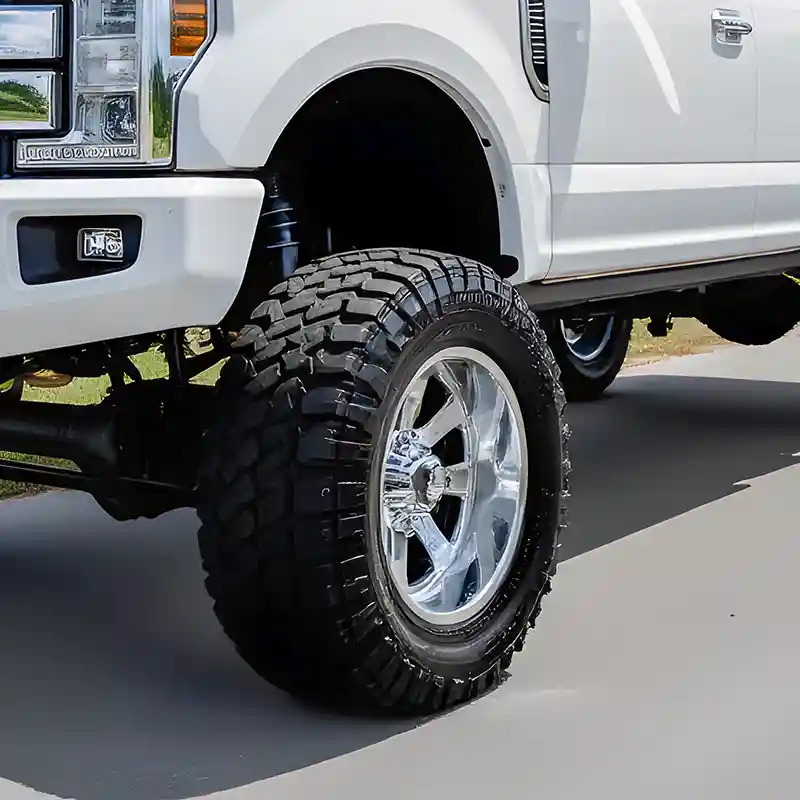
Wheel offset is one of the most important factors to consider when upgrading a lifted truck. The right offset can help create the stance you want while providing adequate clearance between your tires, suspension, steering components, and fenders.
Choosing the wrong offset, however, can lead to tire rubbing, clearance problems, uneven tire wear, and changes in steering or handling.
When selecting wheels for a lifted truck, offset should be considered alongside wheel width, backspacing, tire size, lift height, and your intended use. A wheel that fits one lifted truck perfectly may not be the right choice for another.
At Automotive Expressions, we help truck owners explore wheel and tire combinations based on their vehicle, lift kit, desired stance, and driving needs.
What Is Wheel Offset?
Wheel offset refers to the position of the wheel’s mounting surface relative to the wheel’s centerline. It is typically measured in millimeters.
Offset determines how far the wheel and tire sit inward or outward from the vehicle’s hub.
There are three basic types of wheel offset:
- Positive offset: The mounting surface is positioned toward the outside face of the wheel, moving the wheel farther inward toward the suspension.
- Zero offset: The mounting surface is centered along the wheel’s centerline.
- Negative offset: The mounting surface is positioned toward the inside of the wheel, moving the wheel farther outward toward the fender.
Understanding these differences is important when choosing wheels for a lifted truck.
Why Does Wheel Offset Matter on a Lifted Truck?
Lifting a truck often creates additional room for larger tires, but it doesn’t automatically solve every fitment issue.
Wheel offset affects where the tire sits in the wheel well. Changing the offset can change the amount of clearance available between the tire and:
- Suspension components
- Steering components
- Brake components
- Fender liners
- Fenders
- Inner wheel wells
The right offset can help you achieve your desired stance while maintaining adequate clearance. The wrong offset may cause the tire to rub or extend too far beyond the fender.
Positive vs. Negative Wheel Offset
Understanding positive and negative offset can make choosing wheels easier.
Positive Offset
A positive offset places the wheel farther inward toward the truck’s suspension.
This may help keep the tire tucked inside the fender, but too much positive offset can reduce clearance between the tire and suspension components.
Zero Offset
A zero-offset wheel places the mounting surface at the wheel’s centerline.
This creates a neutral starting point, but whether it works for your truck depends on the wheel width, tire size, and available clearance.
Negative Offset
A negative offset pushes the wheel farther outward from the truck.
This can create more clearance between the tire and suspension components, but it may increase the risk of contact with the fender.
Negative offset can also create a wider stance, which is a popular appearance for some lifted truck builds.
How Does Offset Affect Tire Rubbing?
Wheel offset can play a major role in tire rubbing.
A wheel with too much positive offset may move the tire closer to suspension and steering components. A wheel with too much negative offset may move the tire outward, increasing the possibility of rubbing against the fender or fender liner.
Rubbing can occur when:
- Turning the steering wheel
- Driving over bumps
- Compressing the suspension
- Off-road articulation
- Carrying heavy loads
The correct offset should provide sufficient clearance throughout the vehicle’s range of movement.
What Is the Best Wheel Offset for a Lifted Truck?
There is no universal “best” wheel offset for every lifted truck.
The ideal offset depends on:
- Truck make and model
- Lift height
- Lift kit design
- Wheel width
- Tire diameter
- Tire width
- Suspension components
- Fender design
- Desired stance
- Driving conditions
For example, a truck with a narrow tire may accommodate a different offset than the same truck equipped with a wider tire.
The goal is to choose an offset that provides the clearance you need without pushing the tire unnecessarily far inward or outward.
How to Measure Wheel Offset
If you want to determine the offset of an existing wheel, you’ll need to measure the wheel’s width and backspacing.
The basic relationship between offset and backspacing is:
Wheel Offset = Backspacing − Wheel Centerline
The calculation needs to account for how wheel width is measured. Wheel manufacturers generally list wheel width based on the distance between the tire mounting surfaces rather than the wheel’s total outside width.
Offset is typically expressed in millimeters, while backspacing is commonly measured in inches.
If you’re unsure about your current wheel offset, check the markings on the back of the wheel or consult the wheel manufacturer. A professional fitment specialist can also help verify the specifications.
What Is Backspacing?
Backspacing measures the distance from the wheel’s mounting surface to the inner edge of the wheel.
Like offset, backspacing affects where the wheel sits in the wheel well.
A wheel with more backspacing generally sits farther inward, while less backspacing moves the wheel farther outward.
When selecting wheels for a lifted truck, it’s important to consider offset and backspacing together.
Wheel Offset vs. Backspacing
Offset and backspacing are related but are not the same measurement.
Offset describes the position of the mounting surface relative to the wheel’s centerline.
Backspacing measures the distance from the mounting surface to the wheel’s inner edge.
Both measurements help determine how the wheel and tire will sit on your truck.
When comparing aftermarket wheels, you may encounter one specification listed as offset and another listed as backspacing. Understanding both can make it easier to compare different wheels.
How Wheel Width Changes Offset Requirements
Wheel width can affect how a particular offset positions the tire.
For example, a specific offset on a narrow wheel may position the tire differently than the same offset on a wider wheel.
As wheel width increases, the inner and outer edges of the wheel move farther from the centerline. This means you need to evaluate wheel width and offset together rather than choosing an offset independently.
The same applies to tire width. A wider tire can create additional clearance concerns even when the wheel offset is appropriate.
How Lift Height Affects Wheel Offset
A lift kit can provide additional clearance for larger tires, but the amount of lift doesn’t automatically determine the correct offset.
A lifted truck may still need a specific offset based on the suspension design and tire size.
For example, changing the offset to accommodate a wider tire may help with inner suspension clearance but could cause the tire to extend farther outward.
This is why wheel offset should be selected as part of a complete wheel and tire fitment strategy.
Does a Lift Kit Change Wheel Offset?
A lift kit does not physically change the offset of your wheels. Your wheels retain the same offset regardless of whether your truck is stock or lifted.
However, lifting your truck can change the tire sizes and wheel combinations you may want to run. As a result, you may choose a different wheel offset after installing a lift kit.
The lift kit, tire size, wheel width, and offset should all be evaluated together.
Can I Use My Stock Wheels on a Lifted Truck?
In many cases, you can continue using your factory wheels after installing a lift kit.
However, your stock wheels have fixed specifications for:
- Wheel width
- Offset
- Backspacing
- Diameter
- Bolt pattern
If you plan to install larger or wider tires, your factory wheel specifications may not provide the clearance or stance you want.
Aftermarket wheels can provide additional options for adjusting offset and backspacing.
How Does Negative Offset Affect a Lifted Truck?
Negative offset pushes the wheel and tire farther outward.
This can provide additional clearance between the tire and some suspension components. It can also create a wider, more aggressive stance.
However, too much negative offset can cause:
- Fender rubbing
- Fender liner contact
- Increased steering effort
- Changes in handling
- Increased stress on suspension components
- Greater exposure of wheels and tires to road debris
A moderate negative offset may work well for some lifted truck builds, but the ideal specification depends on the complete setup.
How Does Positive Offset Affect a Lifted Truck?
Positive offset moves the wheel farther inward toward the suspension.
This can help keep the tire tucked beneath the fender and may provide a more factory-style appearance.
However, excessive positive offset can reduce clearance between the tire and:
- Control arms
- Shocks
- Steering components
- Brake components
- Other suspension parts
Always verify inner clearance before selecting a high-positive-offset wheel.
What Offset Is Best for Larger Tires?
The best offset for larger tires depends on the tire’s width and the truck’s available clearance.
A wider tire may require a different offset than a narrower tire. Moving the wheel outward can increase inner clearance, but it may also increase the chance of fender rubbing.
Rather than choosing an offset based solely on tire diameter, evaluate the complete fitment.
Consider:
- Tire width
- Tire diameter
- Wheel width
- Lift height
- Suspension design
- Fender clearance
- Intended driving conditions
How to Choose Wheel Offset for Off-Road Driving
Off-road trucks often require careful attention to wheel offset because suspension articulation can change tire clearance.
When driving over uneven terrain, the suspension can compress and extend significantly. A tire that clears the fender on flat pavement may rub when the truck is flexing on a trail.
For off-road builds, consider:
- Tire sidewall
- Wheel durability
- Wheel offset
- Backspacing
- Suspension travel
- Fender clearance
- Tire width
A wheel and tire combination with adequate clearance during suspension articulation can help reduce the risk of rubbing during off-road use.
What Modifications Might Be Needed?
Changing wheel offset may solve some clearance problems, but it isn’t always the only solution.
Depending on your truck and tire size, modifications may include:
- Fender liner adjustments
- Fender trimming
- Bump stop adjustments
- Suspension modifications
- Steering stop adjustments
- Additional lift
- Different tire width
The best solution depends on where the tire is making contact and how much additional clearance is required.
How to Avoid Tire Rubbing
Before installing new wheels and tires, test the fitment under different conditions.
Check clearance with:
- Steering turned fully left
- Steering turned fully right
- Suspension compressed
- Suspension fully extended
- Vehicle carrying a typical load
If your truck is used off-road, consider how suspension articulation may affect clearance.
The goal is to ensure the tire doesn’t contact the fender, suspension, or steering components throughout the vehicle’s normal range of movement.
Consider Your Truck’s Intended Use
Your driving habits should influence your wheel offset selection.
Daily Driving
If your truck is primarily driven on pavement, you may prefer a setup that keeps the tires closer to the factory position. This can help minimize fender exposure and maintain predictable handling.
Off-Road Driving
Off-road builds may benefit from carefully selected wheel offset and backspacing that provide sufficient clearance during suspension articulation.
Towing and Hauling
If you regularly tow or haul, consider how wheel offset and tire position may affect handling, steering, and suspension loads.
Custom Builds
For custom trucks, wheel offset can be used to create a specific stance. However, appearance should always be balanced with proper clearance and safe fitment.
Get the Right Wheel Offset for Your Lifted Truck
Choosing the right wheel offset for a lifted truck requires more than selecting a wheel based on appearance. The ideal offset depends on your truck, lift kit, wheel width, tire size, backspacing, and intended use.
The right combination can help you achieve the stance you want while maintaining adequate clearance between your tires and surrounding components.
At Automotive Expressions, we can help you explore wheel and tire combinations based on your truck and modifications. Whether you’re building an off-road truck, upgrading a daily driver, or creating a custom setup, proper fitment can help you get the most from your investment.
Contact Automotive Expressions to learn more about choosing the right wheel offset for your lifted truck and finding a wheel and tire combination that fits your vehicle.
Frequently Asked Questions About Wheel Offset for Lifted Trucks
What is the best wheel offset for a lifted truck?
There is no single best offset for every lifted truck. The ideal offset depends on the truck’s make and model, lift height, wheel width, tire size, suspension design, and desired stance.
Is negative offset better for lifted trucks?
Not necessarily. Negative offset can provide additional inner clearance and create a wider stance, but too much negative offset can increase the risk of fender rubbing and affect handling. The right offset depends on your complete wheel and tire setup.
Does wheel offset affect tire rubbing?
Yes. Offset determines where the wheel and tire sit in relation to the suspension and fender. The wrong offset can cause the tire to rub against suspension components, fenders, or fender liners.
How do I measure wheel offset?
Wheel offset can be calculated using the wheel’s backspacing and centerline. The general relationship is offset = backspacing minus wheel centerline, with the calculation adjusted for how wheel width is measured. Offset is typically expressed in millimeters.
Can I use my stock wheels after lifting my truck?
Often, yes. However, stock wheels have fixed offset, backspacing, and width specifications. If you’re installing larger or wider tires, aftermarket wheels may provide more flexibility.
What is the difference between wheel offset and backspacing?
Offset measures the position of the wheel’s mounting surface relative to its centerline. Backspacing measures the distance from the mounting surface to the wheel’s inner edge. Both affect wheel and tire positioning.
Can changing wheel offset fix tire rubbing?
Changing offset can sometimes help address rubbing, depending on where the tire is making contact. However, changing offset can also create new clearance problems, so the complete wheel and tire setup should be evaluated before making a change.
Does a lift kit change wheel offset?
No. A lift kit does not change the offset of your existing wheels. However, lifting your truck may allow you to install different tire sizes, which could make a different wheel offset more appropriate.
What is the best wheel offset for off-road trucks?
The best offset depends on the truck, tire size, wheel width, suspension, and intended terrain. Off-road vehicles need sufficient clearance during suspension articulation, so both offset and backspacing should be carefully considered.
Can Automotive Expressions help me choose the right wheel offset?
Yes. Automotive Expressions can help you evaluate wheel width, offset, backspacing, tire size, lift height, and other fitment factors to help you find the right wheel and tire combination for your lifted truck.