Wheel Weight: How It Impacts Ride Quality, Performance, and Safety
Understand why the weight of your wheels matters for acceleration, braking, handling, fuel economy, and tire wear. Contact Automotive Expressions for expert guidance on selecting wheel weight targets, sizing, and setups that match your vehicle and driving style.
Wheel Weight:A Smart Balance of Strength, Weight & Value
Wheel weight sits at the center of smart wheel selection. Whether you’re comparing cast, flow-formed, or forged construction, the balance between mass, strength, and cost determines how your vehicle feels on the road. Reducing unnecessary pounds in the barrel and spokes lowers rotational inertia, but the wheel still needs adequate load capacity and impact resistance for real-world driving.
For cars, trucks, SUVs, Jeeps, and track builds, the right setup requires more than looks. Wheel weight, load rating, tire size, brake clearance, offset, backspacing, suspension travel, and intended use all interact. This guide breaks down how wheel weight influences performance, what trade-offs to consider by construction type, and how to choose a safe, responsive package for your vehicle.
Wheel Weight at a Glance
Factor |
Lighter Wheels |
Heavier Wheels |
| Performance feel | Quicker turn-in, improved acceleration and braking response | More muted responses; requires more effort to start/stop rotation |
| Ride quality | Helps suspension control bumps; can feel sharper with low-profile tires | Can mask small impacts but may overwhelm dampers over repeated bumps |
| Fuel economy | Often modest gains from reduced rotational and unsprung mass | Potential decrease due to added mass and inertia |
| Durability | Depends on construction and load rating; not all light wheels are fragile | Can be robust, but excess weight doesn’t guarantee strength |
| Tire/brake compatibility | May allow aggressive sizing; ensure caliper clearance and proper load index | Thicker barrels/spokes may limit clearance; confirm fitment |
| Cost | Light, strong designs typically cost more | Budget-friendly options widely available |
| Best suited for | Daily drivers seeking response, autocross/track, towing with proper ratings | Budget builds, rugged use where cost and simplicity are priorities |
Optimizing wheel weight delivers real benefits in responsiveness and control. The sweet spot balances mass, strength, and budget to meet your performance goals without compromising safety.
What Is Wheel Weight and Why It Matters
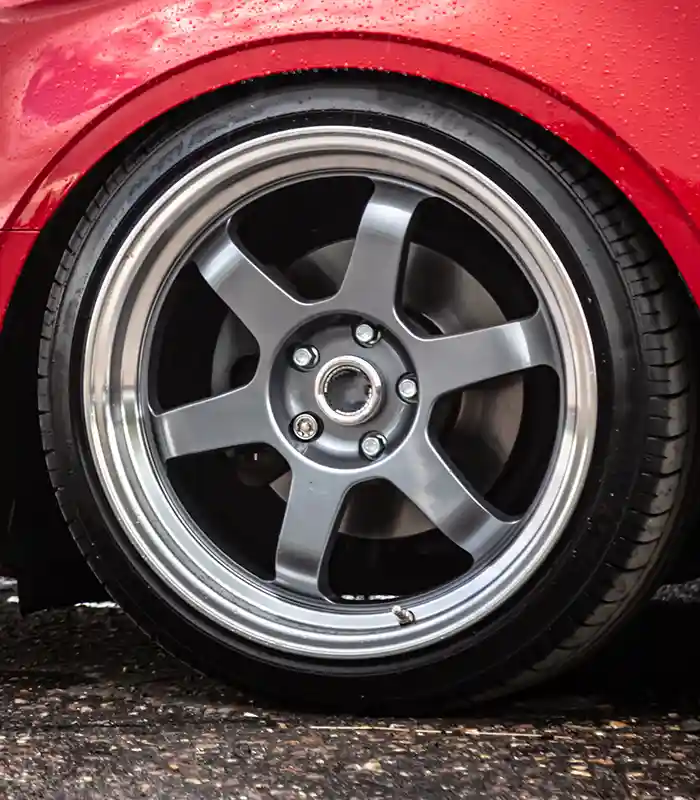
Wheel weight is the mass of the wheel itself, which contributes to both unsprung weight and rotational inertia. Because wheels move with every bump and must spin up and slow down with each acceleration and braking event, even small changes in weight can noticeably affect how your vehicle behaves.
Choosing the right weight isn’t just about going as light as possible. Daily-driven vehicles, trucks, and off-road builds need wheels that meet or exceed axle loads, handle potholes and trail impacts, and clear larger brakes. Well-engineered flow-formed or forged options can cut weight while maintaining the load ratings needed for street, track, or adventure use.
Design also influences effective weight and stiffness. Barrel thickness, spoke geometry, and hub design all affect strength, caliper clearance, and how mass is distributed. A thoughtfully designed wheel can place material where it contributes most to rigidity while minimizing unnecessary rotational mass.
Because wheels are unsprung, reducing weight helps the suspension follow the road more accurately, improving grip and comfort. Lower rotational inertia can enhance acceleration and shorten stopping distances when paired with suitable tires and brakes.
Actual wheel weight varies with diameter, width, construction method, and load rating. A wide, heavy-duty truck wheel may outweigh a smaller economy-car wheel for good reason. Always compare verified weights, load capacities, and recommended tire load indexes before purchasing.
Benefits of Targeting the Right Wheel Weight
Sharper Response Without Sacrificing Safety
Reducing unnecessary mass at the wheel improves acceleration, braking feel, and steering precision. When paired with proper load ratings and quality construction, you can gain agility without giving up everyday durability—something many drivers notice immediately after upgrading.
Confidence for Daily Driving and Performance
Lighter unsprung and rotating mass improves real-world drivability: the car reacts quicker to inputs, the suspension manages bumps more effectively, and heat cycles at the track are easier on components when the wheel isn’t adding excess load. Correct sizing and tire selection are essential to maintain impact resistance and ride quality.
Stronger Where It Counts, Lighter Where It Helps
Smart engineering concentrates material in high-stress areas while trimming it elsewhere, leading to an efficient strength-to-weight ratio. During impacts, construction quality and metallurgy matter more than raw weight; a well-built light wheel can outperform a heavier, poorly designed alternative.
This efficiency is why many enthusiasts and commuters alike pursue weight-conscious wheels: measurable gains in handling, braking, and drivability without jumping to extremes.
Key Considerations When Reducing Wheel Weight
Lighter wheels can cost more due to advanced materials and manufacturing. Balance targets with your budget, usage, and local road conditions. Avoid going so light that you compromise load rating or impact resistance for your vehicle’s duty cycle.
Fitment is critical: confirm diameter, width, offset, backspacing, and caliper clearance. Verify hub-centricity, torque specs, and tire load index. Inspect wheels regularly if you face harsh roads or off-road use—any wheel that suffers a significant impact should be professionally evaluated.
To unlock the full benefit of weight reduction, match wheels with appropriate tires, alignment, and suspension tuning. Automotive Expressions can help you find a safe, balanced setup tailored to your goals.
Which Wheel Weight Is Right for You?
Optimizing wheel weight comes down to how you use your vehicle and what you expect from it.
Choose lighter wheel weights if you want:
- Quicker acceleration, sharper turn-in, and shorter stopping distances from reduced unsprung and rotational mass
- Less strain on suspension and wheel bearings for a more controlled ride
- A performance-focused feel without moving to full race hardware
- More freedom to fine-tune fitment with targeted mass reduction in key sizes and offsets
- Immediate steering feedback for spirited street driving or occasional track sessions
- An everyday drivability upgrade for trucks, cars, Jeeps, or SUVs without sacrificing reliability
Choose heavier wheel weights if you want:
- A cost-conscious setup with solid durability for routine driving
- Simple, rugged solutions for commuting or rough roads
- Common sizes that are easy to source and replace
- A practical option for winter or spare sets where ultimate weight savings isn’t critical
- Impact resistance that suits heavy loads and work use
- A choice where longevity and value matter more than maximum performance
For many North Georgia drivers, a moderate wheel weight delivers the best blend—light enough to feel lively and efficient, yet sturdy enough to handle daily use, potholes, and weekend adventures without worry.
Fitment and Load Matter More Than Weight Alone
Weight is only one factor. Proper fitment and load capacity are essential for safe, predictable handling and consistent tire wear.
A safe, successful setup should account for:
- Correct bolt pattern
- Proper center bore or hub-centric fitment requirements
- Wheel diameter and width matched to tire specs
- Offset and backspacing
- Brake-caliper and spoke clearance
- Tire size and load rating
- Fender, suspension, and steering clearance
- Suspension modifications, including lift kits, leveling kits, or lowering kits
- Intended vehicle use, including towing, hauling, commuting, off-roading, or performance driving
A wheel that’s too heavy can dull response and overwork brakes; one that’s too light for the job can compromise durability. Incorrect offsets can cause rubbing, alter steering geometry, or stress bearings. Using tires with the wrong load index can reduce safety. Aggressive fitments may require a lift, leveling kit, alignment changes, or fender work to operate reliably.
That’s why working with an experienced local shop like Automotive Expressions is essential—we align wheel weight with your goals, verify clearances, confirm load requirements, and deliver the balanced performance you expect.
Talk to Automotive Expressions About Wheel Weight
Automotive Expressions helps drivers in Flowery Branch, GA, and throughout North Georgia select the right wheel weight, tires, lift kits, lowering kits, suspension upgrades, and accessories to match their vehicles and driving style. Whether you’re chasing faster response on a sports sedan, reducing rotating mass on an SUV, ensuring ample clearance for big brakes, or refreshing a daily driver for better efficiency, our team will guide you through weight targets, specs, finishes, and proper sizing.
Contact Automotive Expressions to discuss wheel weight, construction, style, size, offset, tire compatibility, vehicle clearance, and professional installation for your car, truck, SUV, or Jeep.