Wheel Safety: Confidence, Control, and Peace of Mind on Every Drive
Understand the essentials that keep your wheels safe—proper sizing, load capacity, torque, inspections, and damage prevention—all working together to protect you, your passengers, and your vehicle. Contact Automotive Expressions for expert wheel safety checks, fitment guidance, and maintenance recommendations.
Wheel Safety:Essential Guidelines for Safe Wheel Selection and Installation
Wheel safety bridges the gap between style and performance by focusing on the fundamentals that prevent failures on the road. From selecting wheels with the correct load rating to ensuring accurate hub-centric fitment and proper fastener torque, each detail safeguards against vibration, premature wear, and structural damage. A safety-first approach also accounts for real-world hazards like potholes, curbing, heat cycles, corrosion, and improper tire pairing—factors that can compromise even high-quality wheels if overlooked.
Whether you drive a car, truck, SUV, Jeep, or a performance build, safe wheel selection and maintenance rely on more than appearance. Load index, tire size, brake clearance, offset and backspacing, hub bore, stud size and thread pitch, center cap depth, TPMS compatibility, and the way you use the vehicle all matter. This guide explains the core principles of wheel safety, how to identify risk factors before they become problems, and what to verify before choosing or installing wheels on your vehicle.
Wheel Safety at a Glance
Factor |
Safe Practice |
Risk If Ignored |
| Load rating | Match or exceed vehicle GAWR and tire load index | Cracking, deformation, or failure under heavy loads |
| Fitment | Correct offset/backspacing with hub-centric alignment | Vibration, bearing stress, tire rub, steering instability |
| Fastener torque | Torque lugs to spec with a calibrated wrench, recheck after 50–100 miles | Loose wheels, warped rotors, sheared studs |
| Corrosion control | Clean, protect finishes; remove hub rust and use anti-seize where appropriate | Seized wheels, improper seating, accelerated deterioration |
| Impact damage | Inspect after potholes/curbing; check for bends, cracks, air leaks | Tire blowouts, vibration, compromised structural integrity |
| Performance heat | Use wheels and tires rated for duty; monitor pressures and torque after events | Fastener relaxation, coating breakdown, reduced strength |
| Best suited for | Drivers who prioritize reliability, handling consistency, and lifespan | Anyone accepting unknown fitment or skipping inspections |
Sound wheel safety practices reduce risk, preserve handling, and extend component life. For most drivers, a thoughtful setup and routine inspections provide the best balance of confidence, comfort, and long-term value.
What Defines Safe Wheels?
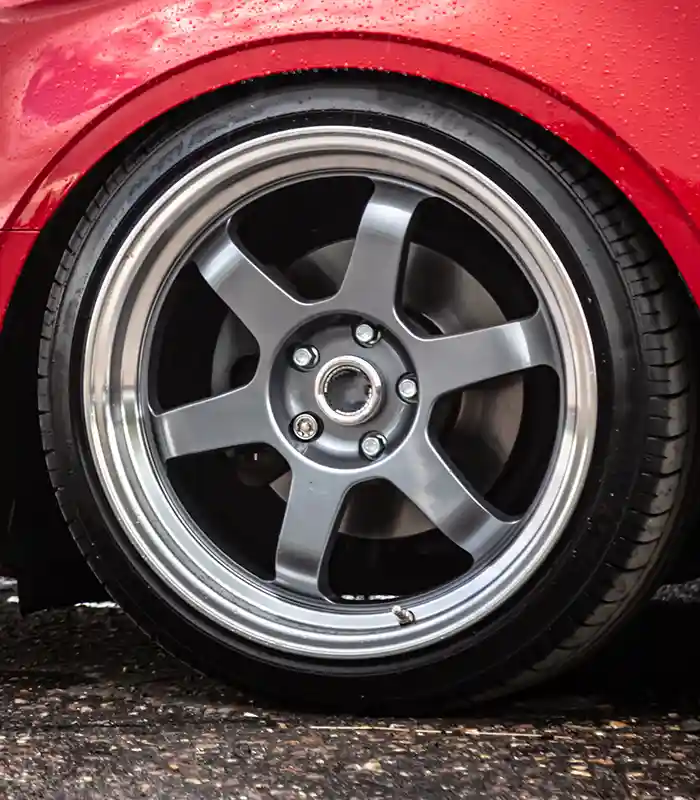
Safe wheels start with the right engineering for your vehicle. That includes a load rating that meets or exceeds the vehicle’s axle requirements, correct hub bore for hub-centric mounting, and offset/backspacing that keeps the tire centered in the wheel well while protecting bearings and suspension geometry. Properly seated beads, clean hub faces, and even lug nut torque ensure the wheel clamps flat and stays secure through braking, cornering, and temperature changes.
Modern vehicles—cars, crossovers, and trucks—benefit from safety-focused wheel selection because it aligns the wheel’s structural capacity with real driving conditions. You’ll find sizes, widths, offsets, and load ratings tailored for street, off-road, towing, and track use. Matching the duty cycle to the wheel prevents common issues like rubbing, overheating brakes from poor clearance, or stress cracks from overloading.
Another core element is brake and suspension clearance. Adequate caliper room, spoke design that avoids contact at full lock, and barrel profiles that clear larger rotors are crucial. A safe wheel also respects tire requirements: approved rim width range, speed rating, and proper load index. When these factors are correct, you gain predictable handling, stable braking, and minimal vibration.
Because wheels are unsprung and rotating masses, imbalances or damage have immediate safety consequences. Even minor bends can trigger vibrations that stress suspension components and reduce tire contact. Routine checks for runout, cracks near spokes or the barrel, and air leaks at the bead seat help catch problems early and keep your vehicle tracking straight.
Actual safety margins vary by diameter, width, construction, and intended load. A heavy-duty truck wheel may be the safest choice for towing yet unnecessary for a compact commuter. Always compare exact specifications—load capacity, approved tire sizes, and brake clearance—before purchasing or installing.
Benefits of Prioritizing Wheel Safety
Stable Handling and Shorter Stopping Distances
A wheel and tire package selected for proper load rating, offset, and balance keeps the contact patch planted, improves steering precision, and supports even brake performance. Drivers often notice fewer vibrations, more predictable lane changes, and more consistent emergency stops when wheel safety fundamentals are addressed.
Reliability for Daily Driving and Long Trips
When wheels are mounted hub-centrically, torqued to spec, and inspected after impacts, vehicles feel smoother and remain dependable over time. Proper clearances help manage heat, protect brake components, and reduce stress on bearings and studs—key for commuters, families, and weekend adventures alike.
Protection Against Costly Damage
Correct fitment and routine inspections reduce the chance of bent barrels, cracked spokes, torn beads, and uneven tire wear. Catching a slow leak or slight runout early prevents roadside breakdowns and preserves suspension components, saving money and downtime.
These preventative steps are why safety-focused wheel setups are a smart choice for drivers seeking confidence in all conditions, from city streets to rough pavement and highway travel.
Key Considerations for Safer Wheels
Verify load capacity, hub bore, offset/backspacing, and fastener type before purchase. Use quality hardware matched to your vehicle’s thread pitch and seat style, and re-torque after the first 50–100 miles. If you encounter a hard impact, schedule an inspection to check for bends, cracks, and bead seat damage—especially on low-profile tires.
Finish and corrosion care matter, too: clean mating surfaces at every tire change, avoid harsh cleaners that degrade coatings, and address hub rust that can prevent proper seating. Finally, pair wheels with tires that meet your vehicle’s speed and load needs, set pressures to manufacturer specs, and monitor with TPMS to maintain handling, braking, and ride quality.
Which Wheel Type Is Best for You?
Your safest wheel choice hinges on how you drive, the loads you carry, and the conditions you encounter.
Choose reinforced or flow-formed wheels if you want:
- Shorter stopping distances and sharper steering from reduced rotating mass
- Higher impact resistance in the barrel to better tolerate potholes and curb strikes
- Premium strength-to-weight benefits without full-forged pricing
- Extensive sizing options to achieve correct load capacity and brake clearance
- Predictable response for daily driving, mountain roads, or occasional performance use
- A safety-focused upgrade for trucks, cars, Jeeps, or SUVs that carry passengers and cargo
Choose standard cast wheels if you want:
- A cost-effective solution that meets factory-equivalent safety standards
- Simple, durable designs suited to routine commuting
- Common sizes that are easy to source in a pinch
- An affordable option for winter tires or replacement sets
- Reliable performance for normal road conditions when properly rated
- A practical choice when ultimate weight reduction isn’t necessary
For many North Georgia motorists, modern flow-formed wheels hit a safety-performance sweet spot—lighter than typical cast designs for better control, yet strong enough to stand up to real-world roads.
Fitment Matters More Than Construction Alone
No matter how strong a wheel is, incorrect fitment undermines safety, handling, and tire life. Material is only one factor in a secure setup.
A safe, successful wheel setup should account for:
- Correct bolt pattern
- Proper center bore or hub-centric fitment requirements
- Correct wheel diameter and width
- Offset and backspacing
- Brake-caliper and spoke clearance
- Tire size and load rating
- Fender, suspension, and steering clearance
- Suspension modifications, including lift kits, leveling kits, or lowering kits
- Intended vehicle use, including towing, hauling, commuting, off-roading, or performance driving
Even a great-looking wheel with the wrong offset can cause rubbing, accelerated bearing wear, vague steering, or brake interference. Tires with insufficient load index or speed rating raise the risk of heat buildup and failure. Aggressive fitments may demand alignment corrections, fender work, or suspension changes to operate safely.
That’s why working with an experienced local shop like Automotive Expressions is essential—we verify load capacity, hub-centric fit, brake and suspension clearance, and tire pairing so your wheels run safely and perform the way you expect.
Talk to Automotive Expressions About Wheel Safety
Automotive Expressions helps drivers in Flowery Branch, GA, and throughout North Georgia choose wheels, tires, lift kits, lowering kits, suspension upgrades, and accessories with safety as the first priority. From selecting the right load rating for your work truck to ensuring proper brake clearance on a performance sedan, our team reviews torque specs, hub-centric fit, offsets, and tire pairings so your vehicle stops, steers, and rides with confidence.
Contact Automotive Expressions to discuss wheel safety essentials—construction, size, offset, load capacity, tire compatibility, vehicle clearance, and professional installation—for your car, truck, SUV, or Jeep.