Tread Depth Essentials | Safe Tire Tread Guide for Cars & Trucks
Understand how tread depth affects stopping distance, wet and snowy traction, hydroplaning resistance, and tire longevity. Contact Automotive Expressions for expert tread inspections, tire rotations, and replacements today.
Tire Tread Depth:How Much Tread Do You Need?
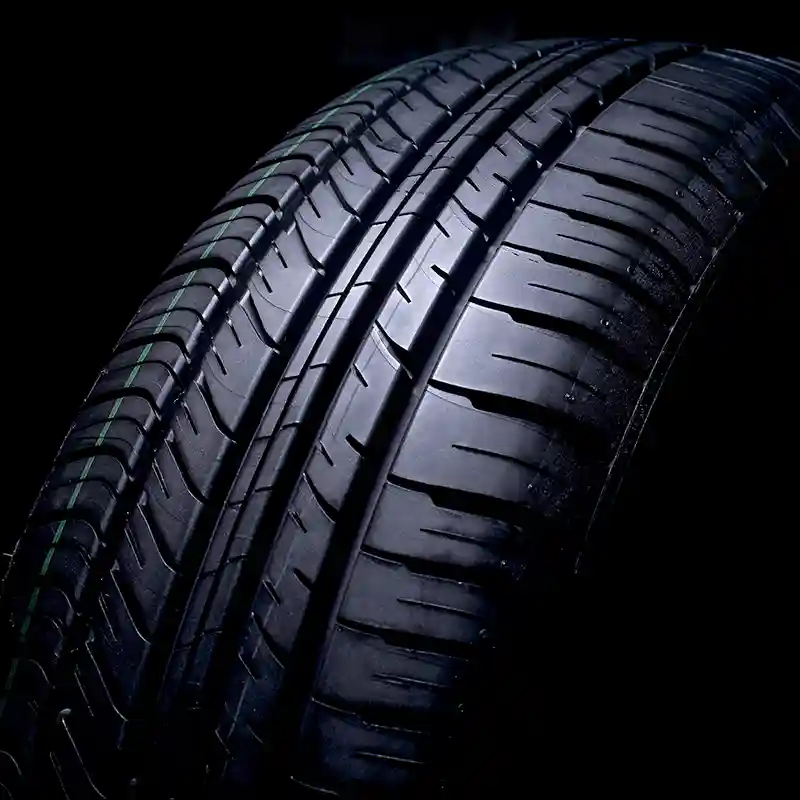
Tread depth is the measured height of the rubber grooves from the top of a tire’s tread blocks to the base of the voids. It’s typically expressed in 32nds of an inch in the U.S. and millimeters elsewhere. Deeper tread helps evacuate water, bite into snow, and maintain grip as the tire encounters changing road surfaces. As tread wears down, braking distances increase and hydroplaning risk rises—long before the tire appears bald.
Drivers in Flowery Branch and across North Georgia face sudden downpours, hot summer asphalt, and occasional winter weather—conditions where healthy tread depth matters on commuter cars, family SUVs, performance vehicles, work trucks, Jeeps, and lifted rigs with oversized tires. A tire can look fine at a glance yet still be unsafe if the grooves are too shallow for the vehicle’s weight, speed, or driving environment.
At Automotive Expressions, we evaluate your entire setup to keep tread working for you. That includes measuring tread depth at multiple points, checking for uneven wear, setting proper inflation, rotating on schedule, aligning suspension, and recommending the right tire type and pattern for your daily use, towing needs, terrain, and seasonal conditions.
What Is Tread Depth?
Tread depth is the vertical distance from the top of a tread block to the bottom of its groove. New passenger tires commonly start around 10/32″ to 12/32″ (8–10 mm), while some all-terrain and light-truck tires begin even deeper. As the tire wears, the grooves become shallower and its ability to channel water, grip snow, and conform to rough surfaces diminishes.
How to identify and track tread wear:
Use a dedicated tread-depth gauge or, in a pinch, the penny/quarter test to estimate remaining depth across several points around the tire.
Key items to look for include:
- Even depth across the tread indicates healthy alignment and inflation.
- Center wear often suggests overinflation.
- Edge wear can indicate underinflation or alignment issues.
- Cupping or scalloping may point to suspension or balance problems.
- Low-sipe depth reduces wet and snow traction.
- Approaching wear bars signals you’re near the legal limit.
Most states require replacement at 2/32″ minimum tread depth, but safety declines earlier—especially in rain. Many experts recommend replacing at 4/32″ for better wet braking and at 5/32″–6/32″ if you regularly encounter snow or slush. These thresholds reflect real-world traction needs; the legal limit is not a performance target.
Why tread depth matters every day:
- Hydroplaning resistance in heavy rain
- Shorter stopping distances on wet roads
- Predictable handling and cornering
- Snow and slush evacuation in winter
- Heat management and reduced irregular wear
- Off-road grip for A/T and M/T patterns
- EVs and hybrids need healthy tread to manage higher torque and weight
- Confidence during emergency maneuvers
Automotive Expressions recommends checking tread depth monthly and before road trips. Replace tires before they reach the wear bars if you frequently drive in rain or winter conditions to preserve braking and steering control.
Tread Depth Benchmarks
The guide below outlines common tread-depth ranges for cars, crossovers, SUVs, trucks, and light-truck tires. These figures indicate approximate starting depths and safety thresholds—not a guarantee of performance. Road conditions, driving style, tire design, and rotation intervals all influence real-world results.
Tread Depth |
Typical Condition/Performance |
Common Use Cases |
|
10/32″–12/32″ |
New tire depth; strong wet traction and hydroplaning resistance |
Most new passenger tires, many A/T light-truck tires |
|
8/32″–9/32″ |
Good overall grip; slight decline in deep-water evacuation |
Sedans, crossovers, small SUVs |
|
6/32″–7/32″ |
Noticeable drop in wet braking; winter traction begins to fade |
Crossovers, SUVs, passenger vehicles |
|
5/32″ |
Minimum recommended for light snow/slush |
SUVs, light trucks, larger crossovers |
|
4/32″ |
Replace soon for strong wet braking and aquaplane resistance |
SUVs, pickup trucks, full-size crossovers |
|
3/32″ |
Marked loss of wet grip; extended stopping distances |
Trucks, SUVs, towing-focused applications |
|
2/32″ |
Legal minimum in many states; replace immediately |
Larger trucks, SUVs, heavier vehicle setups |
|
Wear Bars |
Raised indicators flush with tread at 2/32″ |
Heavy-duty light-truck applications |
|
All-Terrain New |
Often 12/32″–16/32″ for off-road bite and stone ejection |
Trucks, SUVs, larger tire packages |
|
Mud-Terrain New |
Can exceed 18/32″ for deep-lug traction |
High-capacity truck and SUV tires |
|
Winter Tire New |
Typically 10/32″–12/32″ with high sipe density |
Heavy-duty light-truck tires |
For reference, many safety organizations suggest replacing at 4/32″ to maintain wet-road braking and at 5/32″–6/32″ if you regularly encounter snow. Automotive Expressions can measure each tire, document remaining life, and create a rotation and replacement plan tailored to your driving.
Tread Depth vs. Wear Bars
Tread depth is a measurement, while wear bars are molded indicators that become level with the tread at approximately 2/32″. Both are related, but they’re not the same. Measuring tells you how much usable grip remains; wear bars simply show you’ve reached the legal limit on that section of the tire.
Tread depth should be checked with a gauge across the inner, center, and outer ribs. Record the lowest number—it dictates real-world performance.
Wear bars appear across the grooves at set intervals. When the surrounding tread is flush with the bar, the tire is at its minimum legal depth. Waiting until this point sacrifices wet traction and can increase stopping distances. Many manufacturers mold multiple indicators, and the vehicle load on each tire should never be trusted if traction is compromised by shallow tread.
Inflation and alignment directly affect how tread wears. Underinflation grinds the shoulders; overinflation wears the center; misalignment causes rapid inner/outer wear. Uneven depth accelerates heat build-up and can lead to vibration or handling issues.
For daily driving, use the cold tire pressure on your vehicle’s door-jamb placard or in the owner’s manual. Pair correct pressure with routine rotations and periodic alignments to maintain even tread depth and maximize safety and tire life.
Why Tread Depth Matters
Adequate tread depth is fundamental to safe vehicle operation. It enables the tire to channel water, grip snow, conform to rough pavement, and maintain consistent contact with the road.
Tread depth becomes especially important when you:
- Drive a pickup truck or full-size SUV
- Navigate heavy rain, standing water, or storm runoff
- Tow a trailer, boat, camper, or equipment
- Carry tools, materials, or frequent passengers
- Add racks, rooftop tents, or overland gear
- Run larger tires or aftermarket wheels
- Venture off-road where loose surfaces demand deeper lugs
- Drive an EV or hybrid with added battery weight and instant torque
- Prepare for winter or mountain travel
For example, a lifted truck on all-terrains may still hydroplane sooner if tread depth drops below 4/32″. Likewise, a performance SUV with shallow summer tread can lose wet braking margin even though the tires physically fit and look aggressive.
Tread depth is one part of a complete safety system that includes proper inflation, alignment, suspension health, and correct tire selection for your vehicle and climate. Automotive Expressions can inspect, measure, and advise on the best timing for rotation and replacement to keep you in control.
How to Measure and Monitor Tread Depth
Your tire’s tread depth is easiest to check right on the tire. Start by locating the small raised bars molded into the grooves—these are tread wear indicators. When the surrounding tread wears down level with these bars, the tire is at approximately 2/32 inch and needs replacement.
You can also measure with a tread depth gauge for a precise reading, or use the penny and quarter tests as quick references.
For example:
- Penny test: Insert a penny into the tread with Lincoln’s head upside down. If you can see all of his head, you’re near 2/32 inch—replace the tire.
- Quarter test: Insert a quarter with Washington’s head down. If you can see the top of his head, tread is near 4/32 inch—wet traction is reduced; plan for replacement soon.
Many performance and all-season tires include numeric wear indicators at several points across the tread. Read them periodically to track remaining depth and to catch uneven wear early for rotation or alignment correction.
Also check your vehicle’s owner’s manual for tire rotation intervals and inflation recommendations. Proper rotation and pressure help maintain even tread depth across all four tires and prolong safe performance.
If your vehicle runs aftermarket wheels, lift or leveling kits, oversized tires, or a different tire type than factory, do not assume standard rotation patterns or inflation apply. Ask a tire professional to verify rotation direction, cross/forward patterns, wheel width compatibility, clearance, and pressure suited to the tire’s construction to promote even tread wear.
Tread Depth Needs by Tire Type
Different tire categories have different tread designs and depth requirements for safe performance. All-season tires balance wet and dry grip with moderate grooves, while all-terrain and mud-terrain tires use deeper lugs to bite on loose or uneven surfaces.
Examples:
Performance summer tires often start with shallower tread to maximize contact on dry roads.
All-terrain and mud-terrain options typically begin with deeper tread blocks and wider voids for off-road traction.
As tread depth decreases, hydroplaning resistance, snow traction, and off-road grip decline faster than dry traction. A tire that feels fine on sunny days may be unsafe in heavy rain or light snow once it reaches 4/32 inch or less.
Select your tire with your real driving in mind—daily commuting, wet-weather seasons, mountain trips, or trail use. Deeper-tread off-road tires can add safety off pavement but may ride firmer and be noisier than highway-oriented designs. The right choice depends on your vehicle’s requirements and how you actually drive.
Do not pick an aggressive tread only for its looks. Choose based on size, tread pattern, starting depth, siping, compound, mileage warranty, ride expectations, and the vehicle manufacturer’s recommendations.
Minimum Safe Tread vs. Recommended Replacement
Legal minimums and best-practice guidelines are related but different.
The legal minimum in many states is 2/32 inch. At this depth, stopping distances in wet conditions can increase dramatically, and hydroplaning resistance is greatly reduced.
A recommended replacement point is often 4/32 inch for wet conditions and 5/32–6/32 inch if you regularly encounter snow or slush. These thresholds better preserve water evacuation and winter traction before performance drops off.
Neither waiting for the legal minimum nor replacing too early is optimal for every driver. Replacing at 4/32–5/32 inch can improve rainy-day safety and winter grip, but it may increase tire cost over time compared to running tires longer in dry regions.
Consider your climate, commute, tire type, rotation history, alignment, and inflation habits together. Tread depth directly relates to water-shedding capacity; rubber compound and tread design influence how grip changes as the tire wears.
Tread Depth for Towing, Hauling, and Heavy Loads
If you tow a trailer or carry heavy cargo, tread depth becomes even more critical. Extra weight shifts load to the rear axle, increasing heat and stress on the tire’s contact patch.
For safer towing and hauling, account for:
- Current tread depth on all tires, especially the rears
- Evenness of wear across the tread
- Proper inflation based on actual load
- Alignment and suspension condition
- Trailer tire condition and age
- Spare tire tread depth and readiness
- Rotation frequency to balance rear-axle wear
- Brake condition, as stopping distances grow with worn tread
- Road and weather conditions on your route
- Wheel condition and balance to prevent cupping
Do not judge safety by remaining rubber alone if wear is uneven, scalloped, or cupped—those conditions can compromise grip even with measurable depth. Weight is not shared equally during braking, cornering, or on uneven roads, so inspect each position individually.
For commercial use, frequent hauling, or long-distance towing, consult the owner’s manual and work with a qualified tire professional for load-specific pressure settings, rotation timing, and wear diagnostics.
Tread Depth on Lifted Trucks and Custom Builds
Lifted trucks, Jeeps, and SUVs often run larger, heavier tires with aggressive tread patterns. These setups can change speedometer accuracy, gearing feel, and how the tread wears across the contact patch.
Big tires and deep lugs add weight that can influence braking and heat buildup. Wider wheels or altered offsets may affect camber and toe, leading to shoulder wear or cupping if alignment isn’t corrected. Off-road armor, racks, tools, and spares also increase load, accelerating tread wear.
When building a custom vehicle, verify:
- Starting tread depth and intended terrain (highway, all-terrain, mud-terrain)
- Wheel width and offset matched to tire manufacturer specs
- Clearance at full lock and full suspension compression
- Brake clearance and unsprung weight considerations
- Rotation direction and rotation pattern for staggered or directional tires
- Alignment targets suited to lift height and tire size
- Road-force balance and on-vehicle balance checks for vibration
- Inflation strategy based on load, not just sidewall maximums
- Real towing, hauling, and trail-use demands
Automotive Expressions helps North Georgia customers coordinate wheels, tires, lift kits, leveling kits, lowering kits, and accessories as a complete package. Our professional fitment and wear assessment can prevent rubbing, feathering, cupping, and rapid edge wear that shorten tire life.
Tread Depth Safety Tips
Follow these tread-depth best practices:
- Check tread depth monthly and before road trips; measure across inner, center, and outer ribs.
- Use the vehicle’s recommended cold tire pressure unless a qualified professional advises load-based adjustments.
- Do not set everyday pressure to the sidewall maximum; use load-appropriate pressures for even wear.
- Account for passengers, cargo, towing, and accessories that increase rear-axle wear.
- Confirm aftermarket wheels and tires are compatible to avoid uneven wear.
- Inspect for low pressure, cupping, scalloping, feathering, bulges, cuts, punctures, cracking, or embedded objects.
- Have tires inspected after severe pothole strikes, curb impacts, or suspected overload or underinflation events.
- Keep up with rotations, alignments, and balance service to maintain even depth.
Safe tread depth assumes proper inflation, correct alignment, balanced loads, and tires in sound condition. Underinflation, misalignment, and overloading accelerate wear and can lead to loss of traction or failure.
Get Tread Depth Guidance in North Georgia
Tread depth is a core safety factor for braking, hydroplaning resistance, winter traction, and off-road grip. It’s not enough that a tire fits the wheel—its tread pattern, remaining depth, and condition must match your daily driving, weather, and load demands.
Automotive Expressions serves drivers in Flowery Branch, Gainesville, Buford, Cumming, Suwanee, Sugar Hill, Alpharetta, Johns Creek, Lawrenceville, and surrounding North Georgia communities. Our team can help you measure tread depth accurately, interpret wear patterns, set proper inflation, schedule rotations, and choose replacement tires with the right tread design for your car, truck, SUV, or Jeep.
Contact Automotive Expressions today for expert tire inspections, tread-depth evaluations, custom wheel fitment, tire installation, lift and leveling solutions, and vehicle upgrades tailored to how you drive.