Toyota Fitment Guide | Wheels, Tires & Suspension
Use our Toyota Fitment Guide for platform-specific wheel, tire, and suspension guidance for Tacoma, Tundra, 4Runner, Sequoia, and Land Cruiser. Contact Automotive Expressions today.
Toyota Fitment Guide:Wheels, Tires & Suspension for Tacoma, Tundra, 4Runner, & Sequoia
Toyota trucks and SUVs are favorites for upgrades—from leveled Tacoma daily drivers and overland-ready 4Runners to heavy-hauling Tundras and long-range Land Cruisers. Each Toyota platform has distinct wheel, tire, brake, and suspension requirements that change by generation and trim. The Toyota Fitment Guide helps you identify the right dimensions, offsets, and clearances before choosing aftermarket components so your build performs correctly on-road and off.
A wheel spec that works on a 3rd-gen Tacoma may not clear brakes on a 2nd-gen, and a tire that fits a KDSS-equipped 5th-gen 4Runner can rub on a non-KDSS truck with different caster settings. Sequoia and Tundra share some hardware but differ in offsets, brake packages, and spare-tire well space. Land Cruiser models vary substantially by series (100, 200, 300), affecting hub bore, offset targets, and UCA clearance.
Proper fitment is the foundation of any wheel, tire, leveling, lift, or suspension upgrade. At Automotive Expressions, we support Toyota owners in Flowery Branch, GA, and across North Georgia with vehicle-specific wheel, tire, suspension, and accessory packages. We evaluate wheel diameter, width, bolt pattern, hub-centric fitment, offset, backspacing, brake clearance, tire size, load ratings, ride height, alignment and caster goals, and intended use. Automotive Expressions provides custom wheels and tires, lift kits, leveling kits, truck accessories, and professional installation for drivers throughout the northern Atlanta area.
Why Toyota Fitment Varies
Toyota uses different bolt patterns, hub bores, offsets, brake packages, tire sizes, and suspension designs across Tacoma, Tundra, 4Runner, Sequoia, and Land Cruiser platforms. Even similar-looking models or trims can have critical differences that change what fits safely.
For instance, many Tacoma, 4Runner, FJ Cruiser, and older Tundra models use a 6×139.7 mm (6×5.5 in) pattern, while certain Lexus-badged variants share the pattern but differ in hub bore and offset needs. Newer Tundra and Sequoia generations retain 6×139.7 but pair it with larger brakes and tighter caliper clearances, which can rule out some smaller-diameter or high-negative-offset wheels.
Because of these variables, never choose wheels by style or lug count alone. Before purchasing aftermarket wheels, tires, or suspension components, verify:
- Exact vehicle year, make, model, trim, drivetrain, and suspension package (KDSS/X-REAS where applicable)
- Wheel bolt pattern
- Hub bore and hub-centric fitment needs
- Lug-nut thread size, seat type, and torque requirements
- Wheel diameter and width
- Wheel offset and backspacing
- Brake-caliper and brake-rotor clearance
- Tire size and approved wheel-width range
- Tire load index, speed rating, and load range where applicable
- Wheel load rating
- Fender, suspension, steering, UCA, and body mount clearance
- Factory or modified ride height
- Alignment and caster requirements after lift or leveling
- Towing, hauling, off-road, overland, or daily-driving use
Your Toyota’s Tire and Loading Information label, typically located on the driver-side door jamb, lists factory tire size and recommended cold inflation pressures. Many late-model Toyotas include TPMS with pressure alerts; after changes, relearn or register sensors and set pressures to Toyota specifications.
Toyota Tacoma Fitment
The Tacoma is one of the most customized midsize trucks in North Georgia. Owners frequently add aftermarket wheels, all-terrain or mud-terrain tires, leveling or lift kits, skid plates, and bed accessories to balance daily drivability with trail performance.
Most Tacomas (2nd and 3rd gen) use a 6×139.7 mm bolt pattern with a hub bore near 106 mm. Wheel choices must account for UCA clearance, body mount proximity, and brake size differences by trim and year. First-gen trucks share the pattern but can differ in offset tolerance and caliper clearance.
Tacoma Wheels and Tires
Common aftermarket wheel diameters range from 16 to 17 inches for off-road builds, with some street-focused setups moving to 18 inches. Choose diameter based on brake clearance, desired sidewall, and terrain.
- 16-inch wheels maximize sidewall for off-road traction and impact absorption while typically clearing Tacoma brakes.
- 17-inch wheels offer a balanced option for mixed daily driving and weekend trails with broad tire availability.
- 18-inch wheels suit street-oriented builds but reduce sidewall and may increase the chance of fender or liner contact at wider widths/offsets.
Offset and backspacing dictate inner UCA clearance and outer fender coverage. Excessively negative offsets can cause poke, liner rub at the pinch weld, and increased spray, while overly positive offsets risk UCA contact.
Tacoma Lifts and Leveling Kits
A leveling kit reduces factory rake; a suspension lift raises overall height to fit larger tires. Neither guarantees rub-free clearance. Verify sweep at full lock, compression, UCA clearance, body mount area, pinch welds, and bumper lip contact. Many 2–3 inch lifts benefit from added caster during alignment to pull the tire forward in the wheel well for straight-line stability and reduced cab-mount rub.
Popular plus-size combos include 265/75R16 or 265/70R17 with mild offsets, often clearing with minimal trimming. Sizes like 285/70R17 may require trimming, a body mount chop on some setups, and careful offset selection. Payload, towing, and GVWR do not increase with larger tires or lift kits—match load ratings to your use case.
Toyota 4Runner Fitment
The 4Runner blends family utility with true trail capability, and it responds well to thoughtful wheel, tire, and suspension upgrades. Build goals vary—from comfortable highway cruisers to expedition rigs with armor and rooftop gear—so fitment must account for weight, clearance, and handling.
Most 5th-gen 4Runners use a 6×139.7 mm bolt pattern with a Toyota hub bore around 106 mm. KDSS-equipped trims have unique sway-bar packaging that influences droop and compression clearance, so verify wheel diameter, width, and offset for caliper, UCA, and fender-liner space. X-REAS models may limit lift choices and require attention to shock compatibility.
4Runner Wheel and Tire Priorities
Factory wheels range from 17 to 20 inches. For many owners, a 17-inch wheel offers the best mix of tire sidewall, off-road traction, and comfort. Street-focused builds may prefer 20-inch wheels but should weigh the impact on sidewall height and ride quality.
When selecting a wheel-and-tire package, consider:
- Added weight from armor, racks, or campers
- Tire load index and wheel load rating for highway safety
- Noise and tread pattern for daily comfort vs. trail grip
- Offset/backspacing to clear UCAs and avoid excessive poke
- KDSS articulation and brake package clearance
- Fender and bumper-lip clearance at full lock and compression
- Spare tire well space under the rear cargo area
4Runner Suspension Options
A 1–2 inch leveling setup can even the stance and accommodate popular sizes like 275/70R17 with appropriate offsets. Moving to 285/70R17 may require front fender liner repositioning, trimming, and in some cases a body mount chop, especially with heavier offset wheels. After any lift, set caster targets on alignment to improve straight-line stability and reduce rubbing.
Monitor TPMS function after tire changes and account for speedometer variance when increasing tire diameter; many owners see a 2–4% difference with common upsizes. Address any rubbing, vibration, or pulling immediately to protect components and tires.
Toyota Tundra Fitment
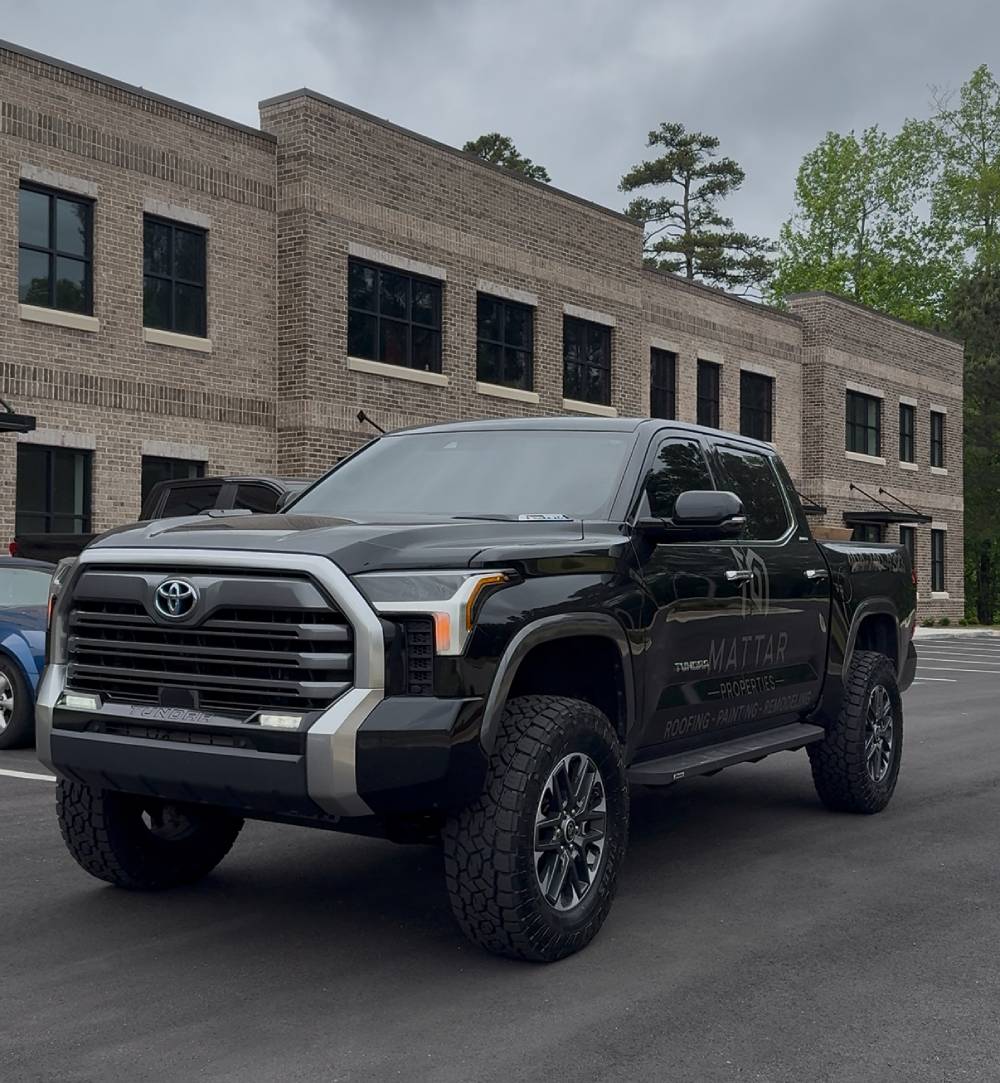
The Toyota Tundra is a full-size truck built for towing, long trips, family hauling, and work duty. Its heavier curb weight, available max tow packages, and frequent use with bed cargo make correct wheel and tire load ratings critical for safety and durability.
Most late-model Tundra trims use a 6×139.7 mm bolt pattern. However, verify each package by model year and brake setup, as wheel width, offset, hub bore, and load rating vary. Confirm caliper clearance on i-Force MAX hybrid brakes, hub-centric fitment, and sensor compatibility before purchase.
Tundra Wheel and Tire Choices
For highway travel, towing, and family use, many owners prioritize stability, ride comfort, and longevity alongside appearance.
A practical setup may include:
- An 18-inch or 20-inch wheel
- A highway-terrain, touring, or all-season tire
- Appropriate tire load index for truck and cargo
- A wheel with a verified Tundra-appropriate load rating
- Moderate offset to preserve UCA and fender clearance
- Sufficient sidewall for comfort and pothole protection
For a more customized look, 22-inch wheels can work when paired with the correct tire size, offset, and brake clearance. Avoid trading away load capacity, durability, or towing stability for style alone—especially on long grades and hot summer highway conditions.
Tundra Towing and Load Considerations
A Tundra may simultaneously carry passengers, gear, a bed toolbox, and trailer tongue weight. Make sure tire capacity, wheel load rating, inflation pressure, and suspension condition match those real-world demands.
Do not estimate safe capacity by multiplying a tire’s max load by four. Weight shifts under braking, cornering, hills, and uneven pavement. Follow Toyota’s gross vehicle weight rating, gross axle weight ratings, payload and tow ratings, and respect the limits of the lowest-rated component in your setup.
Toyota Tacoma Fitment
The Toyota Tacoma is a midsize platform popular for daily driving, jobsite use, trails, and overland builds. Fitment varies by generation and trim, especially on models with larger brakes or factory off-road packages.
Most Tacoma generations use a 6×139.7 mm bolt pattern, but hub bore, stock offset, and brake clearance differ by year. Third-gen (2016–2023) and fourth-gen (2024+) trucks demand careful checks for upper control arm (UCA) clearance, body mount area clearance, and sensor integration when changing wheel width or tire diameter.
Because of those variables, never assume any Toyota 6-lug wheel will fit your Tacoma. Confirm hub-centric fit, offset/backspacing, caliper clearance, wheel width, and true tire diameter before buying.
Tacoma Wheels and Tires
Many Tacoma owners choose 16-inch or 17-inch wheels to retain useful sidewall for all-terrain traction, washboard stability, and aired-down performance. While 18- or 20-inch wheels can work for street builds, they reduce sidewall and may require tighter offset control to maintain clearance.
For a Tacoma wheel-and-tire package, verify:
- Generation, trim, and exact bolt pattern
- Hub bore and hub-centric seating
- Wheel width and tire manufacturer-approved range
- Offset and backspacing relative to UCA and fender
- Brake-caliper and dust-shield clearance
- Tire diameter and real measured height/section width
- UCA, body mount, and pinch-weld clearance at full lock
- Fender-liner, bumper, and skid/valance interference
- Leveling or lift height and added caster needs
- Tire load rating for gear and payload
- Whether trimming or body mount modification is required
Tacoma Off-Road and Overland Fitment
TRD Off-Road, TRD Pro, Trailhunter, and overland builds often add heavier all-terrains or mud-terrains, aftermarket wheels, lifts, bed racks, campers, recovery gear, and armor.
These upgrades increase weight and can change how tires contact at full articulation. A combo that clears while empty may rub with a loaded bed or when steering at compression. Plan wheels, tires, suspension height, alignment (caster), and cargo together to avoid surprises on the trail.
Toyota 4Runner Fitment
The 4Runner blends body-on-frame durability with daily comfort, making fitment choices especially important for trail use and highway stability. Wheel width, offset, brake clearance, tire construction, and suspension geometry influence steering feel, clearance, and tire wear.
Fifth-gen 4Runner (2010–2024) and sixth-gen (2025+) models require confirmation of year, trim, brake package, and factory wheel specs before ordering. Many builds benefit from a slight offset change, but excessive poke can increase fender-liner contact and road spray. KDSS-equipped models have unique sway-bar clearances that should be checked with wider wheels.
4Runner Wheel and Tire Considerations
Common aftermarket diameters include 17 and 18 inches to preserve sidewall for dirt, snow, and rocky terrain. The ideal size depends on brake package, tire availability, sidewall needs, wheel weight, and intended use.
For a 4Runner, consider:
- Exact bolt pattern and center bore (commonly 6×139.7 mm)
- Front and rear wheel widths and approved tire ranges
- Square vs staggered is typically square for rotation options
- Offset and caliper sway-bar clearance, especially with KDSS
- Tire load index and speed rating for highway travel
- Tread compound suited to local climate and terrain
- Overall tire diameter and spare-well/tailgate fit
- Suspension ride height and available up-travel
- Alignment targets, including added caster after a lift
- Fender, pinch-weld, and body-mount clearance at full lock
- Intended daily, overland, or off-road use
Lighter wheels can reduce unsprung and rotational mass, improving ride and response, but must still clear brakes and meet load demands. Balance weight savings with strength for trail impacts.
4Runner Suspension and Alignment
Leveling kits, coilovers, and UCAs change fitment dynamics. Lower offsets or wider tires may contact the body mount or liner during compression. Some builds use minor trimming; others require a body mount chop to clear larger diameters.
After lifting, target additional positive caster for better straight-line stability and to move the tire forward in the well. Set camber and toe for tire longevity if the vehicle is primarily street-driven; trail-focused alignment can differ and should be dialed in by a Toyota-experienced professional.
Toyota Fitment at a Glance
Toyota Platform |
Common Bolt Pattern |
Primary Fitment Priorities |
|
Tacoma (2005–2023) |
6×139.7 mm |
UCA clearance, body mount interference, +0 to -12 mm offsets, 33-inch tire options, leveling vs. lift |
|
Tacoma (2024+) |
6×139.7 mm |
Hybrid brake package clearance, hub-centric fit, sensor calibration, 32–33 inch tires with mild lift, offset to protect fenders |
|
Tundra (2007–2021) |
5×150 mm |
Load rating for towing, spare well diameter, -12 to +18 mm offset ranges, 34–35 inch tire fitment with trimming |
|
Tundra (2022+) |
6×139.7 mm |
i-Force MAX brake clearance, hub bore match, KDSS/X-REAS not applicable, 33–35 inch options, caster targets after lift |
|
4Runner (2003–2024) |
6×139.7 mm |
KDSS sway clearance, UCA contact on wider wheels, pinch weld rub, popular 285/70R17 setups, speedometer variance |
|
Sequoia (2008–2022) |
5×150 mm |
Family/travel loads, towing stability, TPMS integrity, 33–35 inch tire viability, rear suspension clearance |
|
Sequoia (2023+) |
6×139.7 mm |
Hybrid cooling/brake clearance, spare tire carrier limits, offset for fender and body mount room, sensor recalibration |
|
Land Cruiser (100/200/250 Series) |
5×150 mm (100/200), 6×139.7 mm (250) |
Heavy-duty load ratings, hub bore accuracy, KDSS compatibility, 33–35 inch all-terrain fitment, backspacing to protect bodywork |
These references are general starting points. Exact specifications can vary by model year, trim, brake package, drivetrain, factory wheel configuration, and existing vehicle modifications. Confirm the specific components before placing an order or scheduling installation.kipardoracing+1
Get Toyota Fitment Help in North Georgia
The right Toyota wheel, tire, and suspension package should match your exact platform, protect ride quality, and keep sensors functioning correctly. The Toyota Fitment Guide outlines model- and generation-specific details so you can choose components that clear upper control arms, avoid body mount rub, and maintain safe offsets. A Tundra built for towing has different priorities than a Tacoma set up for trails, and a 4Runner with KDSS requires different wheel choices than a Sequoia intended for family travel.
Automotive Expressions is a local, family-owned wheel, tire, suspension, and truck-accessory shop in Flowery Branch, GA. We serve Toyota owners throughout Gainesville, Buford, Suwanee, Sugar Hill, Cumming, Duluth, Alpharetta, Johns Creek, Lawrenceville, and surrounding North Georgia communities.
Use the Toyota Fitment Guide to explore platform-specific considerations, then contact Automotive Expressions today to discuss Toyota wheel fitment, tire sizing, bolt patterns, hub bores, wheel offset, backspacing, load ratings, lift and leveling clearance, KDSS/X-REAS implications, TPMS and speedometer variance, and professional installation for your Tacoma, Tundra, 4Runner, Sequoia, or Land Cruiser.