Performance Tires: Grip, Speed Ratings, and Road Feedback
Discover how performance tires enhance cornering, braking, and high-speed stability—and what specs to look for when upgrading. Contact Automotive Expressions for expert performance tire matching and installation today.
Performance Tires:Grip, Handling & High-Speed Control
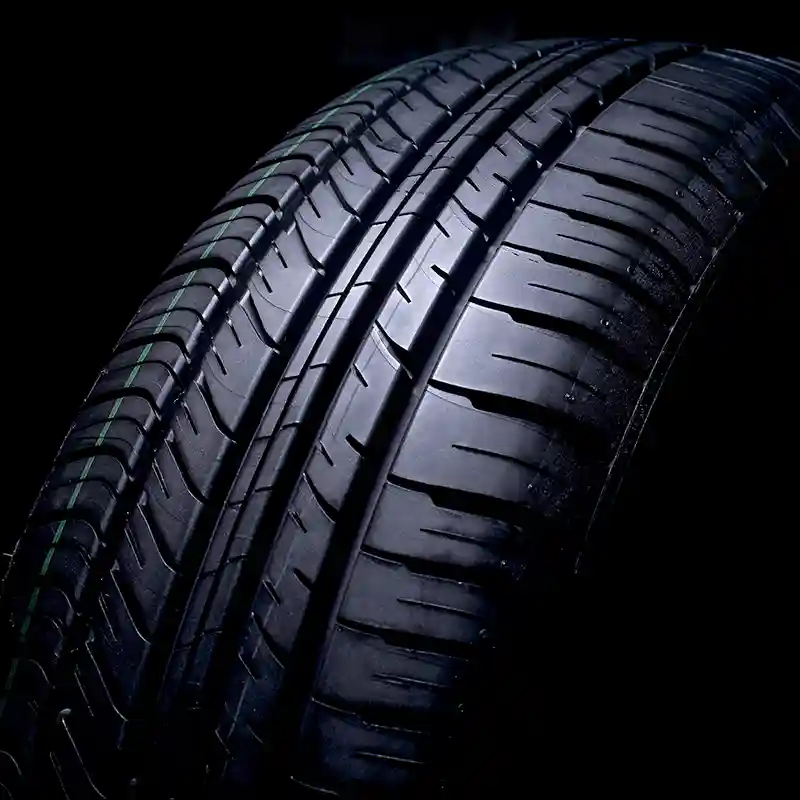
Performance tires are engineered to deliver sharper steering response, elevated grip, and confident control at speed. Their construction, compounds, and tread designs are optimized for precision handling. Key indicators to evaluate include the speed rating, traction and temperature grades, treadwear rating, and the tire’s service description—all of which help determine how the tire will behave during spirited driving and in different weather conditions.
Drivers in Flowery Branch and across North Georgia choose performance tires for everything from responsive daily commuting to weekend canyon runs, track days, and high-performance SUVs. Even if a tire looks like it fits your wheel, it may not be the right choice if its speed rating, compound, and construction don’t match your vehicle’s weight, driving style, climate, or performance goals.
At Automotive Expressions, we recommend complete performance wheel-and-tire setups tailored to your vehicle’s dynamics. We consider tire size and profile, wheel diameter and offset, speed rating, compound type (summer, ultra-high-performance all-season, or track-focused), available clearance, suspension geometry, brake upgrades, alignment targets, and how you drive day to day.
What Makes a Tire a Performance Tire?
Performance tires pair specialized rubber compounds with reinforced carcass construction to maximize grip and steering precision. You’ll find this information in the tire’s size and service description on the sidewall. For example:
245/40ZR18 97Y245/40ZR18 97Y
Here is what the markings mean:
- 245 is the nominal width in millimeters for a wider, more stable contact patch.
- 40 is the aspect ratio, indicating a shorter sidewall for reduced flex and quicker response.
- Z in the size and the service rating letters denote capability for very high speeds.
- R means radial construction, standard for modern high-performance tires.
- 18 is the wheel diameter in inches, often larger to clear big brakes and improve feedback.
- 97 is the load index, which must meet your vehicle’s requirements even on performance setups.
- Y is the speed rating, indicating the tire’s certified maximum speed capability under specified conditions.
Speed ratings such as W and Y identify that the tire can sustain elevated speeds when correctly inflated and loaded. These ratings come from standardized industry tests and reflect how the tire manages heat and structural stress—not a suggested driving speed.
Beyond size and ratings, performance matters because your tires are the only contact with the road. Consider the demands you place on them:
- Hard braking and repeated heat cycles
- Quick turn-in and mid-corner stability
- Wet-road evacuation and hydroplaning resistance
- High-speed cruising stability
- Track-day durability versus daily comfort
- Seasonal temperatures that affect rubber compound grip
- Added unsprung weight from larger wheels or brake kits
- Alignment settings that influence wear and traction balance
Choose a performance tire whose speed rating, load index, and compound align with your vehicle’s specifications and your driving environment. Underspec’d tires can overheat, wear irregularly, and reduce stability—especially during aggressive maneuvers.
Common Performance Tire Ratings
The guidelines below highlight typical speed ratings and how they relate to real-world performance use. The figure listed refers to certified maximum speed capability under standardized test conditions—not a recommended driving speed.
Speed Rating |
Certified Max Speed |
Typical Performance Applications |
|
H |
130 mph |
Sporty daily drivers, responsive commuter setups |
|
V |
149 mph |
Sport sedans, performance crossovers |
|
W |
168 mph |
Ultra-high-performance cars, tuned coupes |
|
Y |
186 mph |
High-performance luxury and sports vehicles |
|
(Y) |
Exceeds 186 mph |
Supercar and track-focused applications |
|
AA (UTQG Traction) |
Highest wet traction grade |
Maximum wet grip emphasis |
|
A (Temperature) |
Superior heat resistance |
Sustained spirited driving and highway speeds |
|
200–340 (UTQG Treadwear) |
Lower numbers wear faster |
Sticky compounds for grip-first performance |
|
400–600 (UHP All-Season) |
Balanced life and performance |
Daily-driven performance in varied climates |
|
M+S / 3PMSF |
All-season / severe-snow symbol |
Cold-weather capable performance options |
|
XL / Reinforced |
Higher load capacity |
Performance SUVs and larger wheel packages |
Use speed rating and UTQG grades together to balance grip, longevity, and heat resistance for your needs. For example, a W- or Y-rated summer tire with a 200–300 treadwear rating offers exceptional dry traction, while a UHP all-season with a higher treadwear number trades some ultimate grip for year-round versatility.
Speed Rating vs. Real-World Use
A tire’s speed rating and the performance claims on the sidewall are related, but they don’t tell the whole story of on-road behavior.
The speed rating is a letter in the service description, like V, W, or Y. It comes from standardized tests that validate a tire’s ability to manage heat and structural stress at a certified speed.
The real-world feel depends on construction details such as belt angles, sidewall stiffness, and rubber compound. These factors influence steering response, braking distances, and wet grip. Federal standards require clear labeling for speed ratings and other safety information, but selecting the right performance tire still requires matching specs to your vehicle and driving style.
Heat management is critical. Aggressive driving, underinflation, or repeated high-speed runs can build excessive heat and degrade performance. Proper inflation and alignment help the tire maintain its designed shape, distribute load evenly, and resist irregular wear.
For daily driving, use the cold tire pressure on your vehicle’s door-jamb placard or in the owner’s manual. This ensures the suspension and tire work together as engineered. Adjustments for track use should be made with guidance from a qualified professional after measuring temperatures and wear patterns.
Why Performance Tires Matter
Performance tires translate engine power and steering inputs into precise motion. The right set improves safety and confidence during dynamic driving and emergency maneuvers.
Upgrading to performance tires is especially impactful when you:
- Drive a sport sedan, hot hatch, or tuned coupe
- Own a performance SUV or EV with instant torque
- Participate in autocross, HPDE, or spirited mountain drives
- Have big-brake kits or suspension upgrades
- Want shorter stopping distances and crisper turn-in
- Need wet-weather grip without sacrificing stability
- Run staggered fitments or plus-size wheels
- Require XL/reinforced options for heavier vehicles
- Are replacing OE tires with a more responsive setup
For instance, a plus-sized wheel package may visually fit, but the tire must still provide the correct speed rating, load index, and compound for your vehicle’s weight and intended use. A high-performance SUV tire also needs reinforced construction to support mass while delivering precise handling.
Remember, performance tires are one part of a complete system that includes suspension, brakes, alignment, and wheel load ratings. The setup’s lowest-rated component determines the practical limit. Automotive Expressions can help you choose and maintain a combination that performs as intended.
How to Find Your Tire Load Rating
Performance tires are engineered to handle speed, cornering forces, and heat—so knowing the load rating on your set is essential. You’ll find it on the sidewall within the service description that follows the tire size. It typically appears like this:
245/50R20 105V245/50R20 105V
Here’s what that code tells you:
- 105 is the load index, which maps to a specific weight the tire can safely carry.
- V is the speed rating, indicating the maximum sustained speed capability under proper load and inflation.
For reference, a load index of 105 equals a maximum of 2,039 pounds per tire when inflated to the manufacturer’s specified pressure for that load. On performance vehicles, matching or exceeding the factory load index is critical to maintain stability, braking, and handling at higher speeds.
You can also reference your vehicle’s tire-information placard—commonly on the driver-side door jamb, door edge, glove box, fuel door, or in the owner’s manual. It lists the original tire size and recommended cold inflation pressure that the vehicle’s suspension and safety systems were tuned around.
If your vehicle runs aftermarket wheels, a lowering kit, staggered fitment, or a different tire category (summer performance, max-performance, or ultra-high-performance), don’t assume the stock placard covers your setup. Consult a tire professional to verify tire size, wheel width, clearance, load capability, and appropriate street or track-day inflation targets.
Passenger Tires vs. Light-Truck Tires
Performance-focused passenger tires are typically built for grip, braking, and steering precision, while light-truck tires prioritize load capacity and durability. Passenger tires often carry a “P” before the size; light-truck options commonly use an “LT.”
Examples:
P265/70R17 113SP265/70R17 113S
LT265/70R17 121/118SLT265/70R17 121/118S
In this example, the passenger tire shows a 113 load index, while the LT tire lists a dual load index, 121/118, which refers to single- vs. dual-wheel applications. For performance street cars and sport sedans, a P-metric ultra-high-performance or max-performance summer tire usually delivers better grip, response, and ride quality than an LT tire of similar size.
Light-truck tires are appropriate for pickups, SUVs, overlanding builds, and tow rigs that need higher load capacity and reinforced construction. However, they are typically heavier and can reduce steering sharpness and acceleration compared to a performance passenger tire. Always choose based on your vehicle’s design intent, required load capacity, and real-world driving.
Don’t select an LT tire solely for a rugged appearance on a performance vehicle. Choose a tire by size, load capacity, carcass construction, tread compound, intended use (street, track, autocross, all-season), and the vehicle manufacturer’s recommendations.
Load Range vs. Load Index
When shopping for performance tires, it’s easy to confuse load index with load range—but they serve different purposes.
The load index is a number on the sidewall that corresponds to the maximum weight a tire can carry. For example, a 115 load index translates to 2,679 pounds per tire when used under the specified conditions.
The load range is typically associated with light-truck tires and indicates the tire’s construction and its inflation/load category (often marked C, D, E, F, etc.). Each range aligns with certain maximum inflation pressures and carrying capacities, but it’s less common as a selection factor for passenger performance tires.
Higher capacity is not automatically better for a performance build. Heavier, higher-capacity tires can dull steering feel, slow acceleration, and increase stopping distances, even though they may be useful for towing or work use.
For performance applications, evaluate the tire’s size, service description (load index and speed rating), maximum load statement, inflation guidance, and the manufacturer’s load-and-inflation tables together. The load index tells you how much weight the tire can carry; load range describes the construction category, which is more relevant to LT tires.
Tire Load Ratings for Towing and Hauling
Many performance vehicles occasionally tow a track trailer or carry extra gear. Added tongue weight, tools, spare wheels, and passengers can shift significant load to the rear axle—making the correct load index and proper inflation even more important.
Before you tow or haul with a performance car or SUV, consider:
- Vehicle gross vehicle weight rating, or GVWR
- Front and rear gross axle weight ratings, or GAWR
- Payload capacity
- Trailer tongue weight
- Gross combined weight rating, or GCWR, where applicable
- Tire load index and load range
- Tire pressure requirements for the actual load
- Wheel load rating
- Suspension condition and modifications
- Trailer-tire condition and trailer load ratings
Never estimate capacity by multiplying one tire’s maximum by four—load isn’t shared equally during acceleration, braking, cornering, or over uneven pavement. The vehicle manufacturer’s ratings, axle limits, and the lowest-rated component always control the safe limit.
For frequent towing or heavy gear, review your owner’s manual and consult a qualified tire professional who can match a performance tire with the correct load index, speed rating, and inflation strategy for your setup.
Load Ratings for Lifted Trucks and Custom Builds
Performance-focused custom builds—whether lowered street cars, widebody kits, or performance SUVs—often run larger wheels, wider tires, altered offsets, and revised suspension geometry. These changes influence more than looks; they directly impact load distribution, clearance, and high-speed stability.
Wider wheels and sticky compounds can weigh more than stock equipment, increasing unsprung mass. Aggressive offsets may change scrub radius and bearing loads, while brake upgrades can create additional clearance challenges. Track-day gear, roll bars, aero components, and full-size spares also add weight that must be supported by the tire’s load index.
When planning a performance fitment, verify:
- Tire load index and tire load range
- Wheel load rating
- Correct bolt pattern and center bore
- Wheel width, offset, and backspacing
- Tire-to-fender and tire-to-suspension clearance
- Brake clearance
- Steering and suspension travel
- Lift or leveling-kit compatibility
- Alignment requirements
- Actual towing, hauling, and cargo needs
Automotive Expressions helps North Georgia drivers design balanced performance setups—selecting wheels, performance tires, suspension components, and accessories as a cohesive package. Our professional fitment reviews help prevent rubbing, tramlining, premature shoulder wear, or mismatched load capacity that can compromise handling.
Tire Load Rating Safety Tips
Keep these performance-tire safety practices in mind:
- Never install a tire with a lower load index than specified by the vehicle manufacturer.
- Use the placard’s recommended cold inflation pressure unless a qualified professional advises an adjustment for a validated performance or modified setup.
- Do not use the sidewall’s maximum pressure as your daily target; set pressures based on load and intended use.
- Account for passengers, gear, towing equipment, track-day tools, and spares when setting pressures.
- Confirm aftermarket wheels have sufficient load ratings for your vehicle and driving style.
- Inspect tires often for low pressure, uneven wear, heat cycling effects, bulges, cuts, punctures, cracking, or impact damage.
- Have tires inspected after pothole strikes, curb impacts, or any suspected overloading or overheating.
- Stay within GVWR, GAWR, payload, and towing limits—especially with performance upgrades.
A tire’s rated capacity assumes proper inflation, appropriate use, and sound condition. Overloading or running inadequate pressure builds heat, degrades compounds, and can lead to rapid wear or failure—especially on high-performance summer tires.
Get Tire Fitment Help in North Georgia
Choosing the right performance tires is about more than diameter and width. Load ratings, speed ratings, construction, and compound all influence braking distance, cornering grip, heat management, and ride quality. Your tires must support your vehicle, passengers, and gear without exceeding the limits of the tires, wheels, suspension, or chassis systems.
Automotive Expressions serves drivers in Flowery Branch, Gainesville, Buford, Cumming, Suwanee, Sugar Hill, Alpharetta, Johns Creek, Lawrenceville, and surrounding North Georgia communities. Our specialists compare performance tire options, load indices, wheel selections, alignment strategies, and complete wheel-and-tire packages for cars, sport sedans, coupes, and performance SUVs.
Contact Automotive Expressions today for expert guidance on performance tires, precision fitment, installation, suspension solutions, and upgrades tailored to how—and where—you drive.