Drag Radials: Grip, Launch, and Street-Legal Performance
Discover how drag radials transform traction, what sets them apart from other tires, and how to choose the right set for your build. Contact Automotive Expressions for expert drag radial selection and fitment today.
Drag Radials:Street-Legal Traction for Maximum Launch Performance
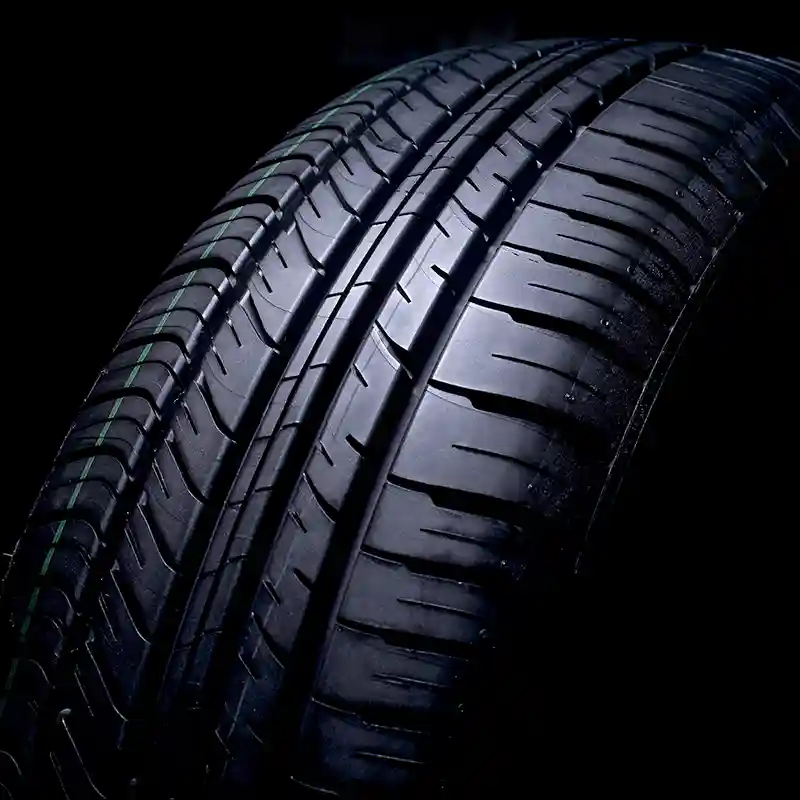
Drag radials are purpose-built, DOT-approved tires engineered to deliver maximum traction during hard launches while remaining legal for street use. They feature a soft compound and specialized carcass construction that allow the tread to conform to the track surface, dramatically improving 60-foot times and overall quarter-mile consistency compared with conventional street or performance tires.
On public roads, however, drag radials demand respect. Their softer rubber and reduced tread voids favor dry grip and warm surfaces, not high-speed highway use, cold temperatures, or heavy rain. Obey local laws and always drive within conditions—traffic, weather, pavement quality, tire temperature, inflation, and vehicle setup dictate safe speeds and handling.
At Automotive Expressions, we help enthusiasts in Flowery Branch, GA, and across North Georgia dial in the right drag radial and wheel package for real-world use. We account for section width, true measured tire height, wheel width and offset, fender and suspension clearance, gearing, power level, torque delivery, weight transfer, track prep, and mixed street/strip needs to ensure your setup hooks hard and fits correctly.
What Is a Drag Radial?
A drag radial is a DOT-compliant performance tire that blends race-oriented compounds and sidewall design with minimal tread to maximize traction off the line. Unlike full slicks, drag radials retain a radial construction and limited grooves for street legality, yet their tread and sidewall are optimized for straight-line launches when properly warmed and inflated.
For example:
225/60R18 100H225/60R18 100H
In this tire size:
- 225 is the nominal tire width in millimeters.
- 60 is the aspect ratio, or approximate sidewall height as a percentage of tire width.
- R identifies radial construction.
- 18 identifies the wheel diameter in inches.
- 100 is the tire load index.
- H is the tire speed rating.
For drag radials, the compound, sidewall flex, and footprint under load matter more than the speed symbol, which merely indicates controlled-test top-speed capability. Launch consistency, heat management, tire pressure, vehicle setup, and track conditions ultimately determine real-world performance and safety.
Common Drag Radial Characteristics
Drag radials appear on street/strip builds, high-horsepower daily drivers, weekend bracket racers, and heads-up cars needing DOT legality. Always review the exact tire’s specifications and intended use—compound formulas, tread depth, and construction vary widely by brand and model.
Feature |
What It Means* |
Typical Benefits |
|
Soft compound |
Race-bred rubber that heats quickly |
Superior bite and reduced wheelspin on launch |
|
Minimal tread |
Large contact patch, shallow grooves |
Maximized dry grip and footprint stability |
|
Radial carcass |
DOT-legal radial construction |
Better high-speed stability vs. bias slicks |
|
Flexible sidewall |
Engineered deflection under load |
Improved weight transfer and traction |
|
Heat-sensitive performance |
Works best warmed with proper PSI |
Consistent 60-ft times when prepped correctly |
|
DOT approval |
Street legal in many regions |
Drive to the track without swapping tires |
|
Load/size specificity |
Exact fitment and clearance required |
Prevents rubbing and ensures optimal contact |
|
Speed symbol |
Controlled-test top-speed category |
Not a performance target; manage heat and load |
*Real-world traction depends on temperature, inflation, surface prep, suspension tuning, and vehicle weight transfer. Always break in, heat cycle, and operate within the tire’s published limits.
Why Drag Radials Matter
When you’re putting serious torque to the pavement, traction is the bottleneck. Drag radials are engineered to control heat, footprint growth, and sidewall deflection so the tire plants consistently without excessive spin. Their compounds and construction are tuned to launch dynamics, not just high-speed cruising, which is why setup and use matter as much as the tire itself.
Compared with max-performance summer tires, drag radials typically employ softer rubber, a more compliant sidewall, and simplified tread. Expect sharper bite and improved straight-line stability at the cost of tread life, wet grip, and cold-weather manners. Selecting the right model is a balance of ET goals, street use, climate, and budget.
When evaluating options, consider questions like:
- Does this tire match my power level, gearing, and suspension setup?
- Will it clear my fenders with the chosen wheel width and offset?
- Is it appropriate for driving to the track or should I trailer/spare a set?
- How will it behave in my local climate and on imperfect roads?
- Am I changing tire size or ride height enough to require a precise fitment check?
Load index and proper inflation are critical. The tire must safely support vehicle weight while delivering the contact patch and sidewall behavior you need at launch.
Should You Run Drag Radials on the Street?
For many builds, a dedicated set of drag radials for the strip and fair-weather street use works best. They can elevate performance without the compromises of daily, all-season rubber. However, always follow manufacturer guidance and local laws, and consider your vehicle’s braking, alignment, and suspension tuning.
Some drivers choose drag radials only for track days, switching to a different tire for rain, cold weather, or long highway trips. If you do run them on the street, respect their limitations and avoid conditions that exceed their design intent.
A more aggressive tire isn’t always the right upgrade. It may increase noise, reduce tread life, and alter ride quality. The optimal choice depends on power output, gearing, intended ETs, wheel/tire sizing, climate, and how often you drive versus race.
Before committing to a setup, consult your owner’s manual, review tire manufacturer specs, and speak with a qualified professional at Automotive Expressions.
Understanding Drag Radials and Track-Focused Performance
Drag radials are purpose-built street-legal tires engineered to deliver maximum forward bite during hard launches. Featuring a soft compound and a minimal tread design, they bridge the gap between full slicks and everyday performance tires. You’ll find them on street/strip builds, modern muscle cars, high-horsepower sedans and coupes, and vehicles that see occasional track nights while still needing limited street manners.
Choosing a drag radial isn’t as simple as picking the stickiest option. The tire must match your wheel width, clear your fenders and suspension under squat, meet the correct load rating, and provide the level of traction your setup requires for your power, gearing, and surface. Compound, construction, and size need to align with how and where you run the car.
For instance, a soft-compound drag radial can dramatically reduce 60-foot times on well-prepped tracks. But it’s not ideal for cold weather, standing water, or long highway commutes. In cooler climates or when frequent rain is expected, a more street-oriented performance tire may be the safer choice for daily use, saving the drag radials for track days and fair-weather driving.
Drag Radials for Trucks, SUVs, and High-Torque Builds
It’s a common misconception that heavy trucks and SUVs with big power simply need the widest drag radial available. In reality, the right tire depends on power delivery, suspension geometry, weight transfer, and intended track surface.
Compared to typical performance tires, drag radials prioritize compound grip and sidewall flex for launch stability rather than extended high-speed handling. Sidewall construction, tread design, and heat management are tuned for traction off the line and straight-line stability, not for continuous cornering or off-road durability.
For towing or frequent hauling, a drag radial is usually the wrong tool; load index, inflation needs, and carcass stiffness for payload control matter more than launch traction. If your vehicle must do double duty, consider separate wheel-and-tire sets—one for work and one for the strip—so each setup is properly matched to its job and safety requirements.
The takeaway: select drag radials as part of a complete package—power goals, suspension, gearing, wheel fitment, and intended use—not just by compound hype or a single spec on the sidewall.
How Build Changes Impact Drag Radial Selection
Any change to wheels, tires, suspension height, power adders, gearing, or intended use should be evaluated together before ordering drag radials.
This is especially important for drivers who are:
- Fitting wider tires for increased traction on launch
- Adding a traction-oriented suspension, like adjustable shocks or anti-squat geometry
- Lowering a car for better weight transfer control
- Moving to wider wheels to optimize contact patch
- Changing wheel offset or backspacing to clear sidewalls during squat
- Switching from all-season or summer tires to track-focused drag radials
- Building a vehicle for street/strip use, no-prep events, or occasional track nights
A drag radial can be incredibly sticky yet still be a poor match if sizing and fitment are off. Incorrect overall diameter can alter effective gearing and speedometer accuracy. Too-narrow or too-wide wheels distort the contact patch and hurt consistency. The wrong offset can cause rubbing under load transfer or at full suspension compression.
At Automotive Expressions, we evaluate tire sizing, wheel width, offset, fender and suspension clearance, pinion angle considerations, load needs, and real-world use before recommending a drag radial package. This full-vehicle approach reduces fitment headaches and helps you launch harder, go straighter, and run more consistent ETs.
Drag Radial Safety and Usage Tips
Tire condition and setup play a critical role in performance and safety. Drag radial capabilities assume correct inflation, proper heat management, undamaged construction, and appropriate use on suitable surfaces. Avoid relying on maximum traction if the tire is worn, heat-cycled out, underinflated, overloaded, cut, bulging, punctured, or showing structural issues.
Follow these practical tire safety steps:
- Set pressures when tires are cold and fine-tune at the track as surface temps change.
- Inspect tread and sidewalls for wear, cords, cuts, blisters, or debris after each session.
- Respect vehicle and tire load ratings; don’t carry payloads that exceed specs.
- Investigate vibrations, repeated air loss, pulling, or unusual noise immediately.
- Rotate only if the tire design and directional pattern allow; track use may limit rotation.
- Replace tires that are heat-cycled hard, aged, damaged, or past wear indicators.
- Drive conservatively on wet or cold roads; drag radials have reduced wet and cold traction.
A TPMS warning indicates significant underinflation and calls for prompt inspection before further driving or any track pass.
Get Drag Radial Fitment Help in North Georgia
Picking the right drag radials means considering more than compound. Tire size, sidewall construction, wheel width and offset, suspension setup, power level, gearing, track surface, and how you actually use the vehicle all matter.
Automotive Expressions helps drivers in Flowery Branch, Gainesville, Buford, Cumming, Suwanee, Sugar Hill, Alpharetta, Johns Creek, Lawrenceville, and surrounding North Georgia communities choose drag radials, performance tires, custom wheels, lift kits, leveling kits, lowering kits, and vehicle accessories.
Contact Automotive Expressions to discuss drag radial selection, wheel-and-tire fitment, suspension clearance, load needs, and professional installation for your car, truck, SUV, or Jeep.