Aluminum vs. Steel Wheels: Which Is Right for Your Vehicle?
Compare aluminum vs. steel wheels for weight, strength, style, price, and maintenance. Contact Automotive Expressions for expert wheel fitment guidance.
Aluminum vs. Steel Wheels:Understanding the Differences Before You Buy
Choosing new wheels involves more than selecting a design that looks good on your vehicle. Wheel material affects weight, handling, durability, maintenance, available styles, pricing, and how well a wheel suits your daily driving, towing, work, performance, or off-road needs.
The two most common wheel-material categories are aluminum alloy and steel. Both can be appropriate choices, but they serve different priorities. Steel wheels are usually valued for affordability and practical durability, while aluminum wheels are widely chosen for lighter weight, broader styling options, and resistance to rust.
At Automotive Expressions in Flowery Branch, GA, we help North Georgia drivers select wheels and tire packages based on vehicle fitment, wheel size, intended use, suspension setup, load needs, and personal style. This guide explains the practical differences between aluminum and steel wheels so you can make a more informed decision for your car, truck, SUV, Jeep, or custom build.
Aluminum vs. Steel Wheels at a Glance
Feature |
Aluminum Alloy Wheels |
Steel Wheels |
| Weight | Typically lighter | Typically heavier |
| Styling | Broad range of spoke patterns, finishes, and sizes | Usually limited, utilitarian designs |
| Upfront cost | Often higher | Usually more affordable |
| Corrosion | Does not rust like steel, but can oxidize or corrode | Can rust when paint or protective coating is damaged |
| Impact response | Can bend or crack, depending on impact and construction | Often more resistant to cracking and may bend under impacts |
| Performance | Reduced wheel weight may support responsive handling, acceleration, and braking | Added weight can affect responsiveness and fuel economy |
| Best suited for | Custom builds, daily drivers, performance vehicles, show vehicles, many trucks and SUVs | Budget replacements, work vehicles, winter setups, basic off-road applications |
Aluminum wheels are generally lighter and available in far more designs and finishes, while steel wheels are commonly less expensive and can be a practical choice for harsh work, off-road, or winter conditions.
What Are Aluminum Wheels?
“Aluminum wheels” generally refers to aluminum-alloy wheels. Manufacturers combine aluminum with other materials to create a wheel that can balance weight, strength, manufacturing flexibility, and appearance.
Most modern passenger cars, crossovers, trucks, and SUVs come with aluminum-alloy wheels from the factory or offer them as an upgrade. In the aftermarket, aluminum wheels are available in a wide range of constructions, including cast, flow-formed, forged, and multi-piece designs.
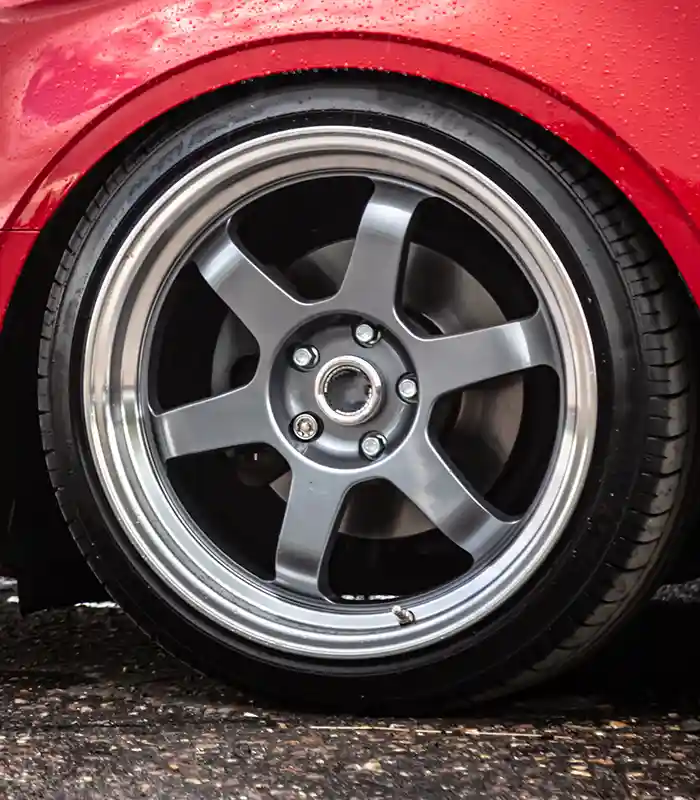
One of the biggest advantages of aluminum is design flexibility. Aluminum-alloy wheels can be produced in many spoke patterns, lip configurations, finishes, diameters, and widths. That makes them a popular option for drivers who want a custom appearance, whether that means a clean OEM-plus look, a blacked-out truck build, a polished classic style, or a performance-focused fitment.
Aluminum wheels are also generally lighter than steel wheels of comparable size. Because wheels are rotating and unsprung components, their weight can influence how the suspension responds and how the vehicle feels when accelerating, braking, and turning. Lighter wheel assemblies may support more responsive handling and can reduce the weight the suspension must manage.
That does not mean every aluminum wheel is lighter than every steel wheel. Wheel weight varies significantly based on wheel diameter, width, construction method, design, load rating, and intended application. A large, heavily built aluminum truck wheel may weigh more than a small steel wheel. Always compare the specifications of the exact wheels you are considering.
Benefits of Aluminum Alloy Wheels
Aluminum wheels are often the preferred choice for drivers who prioritize styling, variety, and lower wheel weight.
More Styles, Sizes, and Finishes
Aluminum can be shaped into complex designs that are difficult or impractical to create with steel. That is why the aftermarket custom-wheel category is heavily focused on aluminum alloy.
Popular aluminum wheel finishes include:
- Gloss black
- Satin black
- Matte black
- Bronze
- Gunmetal
- Silver
- Machined-face designs
- Polished aluminum
- Chrome-style finishes
- Custom powder-coated colors
This versatility makes aluminum wheels an especially strong choice for drivers building lifted trucks, lowered cars, Jeeps, sport sedans, performance vehicles, luxury SUVs, and show-focused vehicles.
Lower Weight
In general, aluminum wheels weigh less than comparable steel wheels. The weight difference can matter because a wheel-and-tire package contributes to unsprung and rotating mass. A lighter setup can help a vehicle feel more responsive, although the final result depends on the full package—not only the wheel material.
For a daily driver, the difference may be subtle. For a performance-oriented car or a vehicle where suspension response matters, wheel weight can become a more important consideration. In commercial and fleet applications, reduced wheel weight can also create potential payload and efficiency advantages.imiproducts+1
Better Heat Dissipation
Aluminum alloy can dissipate heat more effectively than steel. This can be beneficial around the braking system, particularly for vehicles that see demanding driving conditions, repeated braking, towing, or performance use. Proper brakes, tires, suspension components, and vehicle maintenance remain essential, but wheel material can be one consideration in a complete vehicle setup.azom
Rust Resistance
Aluminum does not develop red rust the way steel does. However, aluminum wheels are not maintenance-free. They can oxidize, pit, stain, or corrode—especially when exposed to road salt, moisture, brake dust, aggressive cleaners, damaged clear coat, or neglected finishes.
Corrosion near the tire bead area can contribute to slow air leaks. If your tire repeatedly loses pressure and no puncture is found, a wheel inspection may be necessary.ccjdigital+1
Limitations of Aluminum Wheels
Aluminum wheels are not automatically the right answer for every budget or vehicle.
The first consideration is cost. Aluminum wheels often have a higher purchase price than comparable steel wheels, particularly when selecting premium brands, larger diameters, forged construction, specialty finishes, or multi-piece designs.realtruck+1
The second consideration is impact damage. Depending on design and construction, aluminum wheels can bend, crack, or suffer cosmetic damage from potholes, curbs, road debris, and hard off-road impacts. A damaged aluminum wheel should be inspected by a qualified professional. Cosmetic curb rash may be repairable, but cracks, severe bends, air leaks, or damage near a mounting surface or bead seat can require replacement.
Finally, aluminum finishes require appropriate cleaning. Avoid abrasive pads, wire brushes, steel wool, and harsh acid-based products unless a wheel manufacturer specifically approves them for that finish. Use a pH-balanced wheel cleaner or mild soap, soft brushes, and a microfiber towel for drying.
What Are Steel Wheels?
Steel wheels are formed from steel and are generally designed with function, strength, and cost efficiency in mind. They are common on base-model vehicles, work trucks, fleet vehicles, winter wheel packages, trailers, and utility-focused applications.
Many steel wheels have a simple stamped design and are paired with hubcaps or wheel covers. However, steel wheels are also available in practical aftermarket configurations for trucks, Jeeps, off-road vehicles, and classic vehicles.
Steel’s reputation comes from its straightforward practicality. These wheels are usually less expensive than aluminum alternatives and may be a sensible choice for drivers who need an affordable replacement wheel, a dedicated winter setup, or a rugged wheel for demanding use.
Benefits of Steel Wheels
Budget-Friendly Replacement Option
Steel wheels typically cost less than aluminum alloy wheels. For drivers replacing a damaged wheel, setting up winter tires, maintaining a work fleet, or prioritizing utility over appearance, steel can be a cost-conscious option. Industry comparisons consistently identify steel as the lower-cost wheel material in many applications.realtruck+2
Practical for Winter and Work Use
Steel wheels are often selected for winter tire packages because drivers may prefer to protect premium aluminum wheels from curb contact, road salt, snow, slush, and seasonal wear. They are also popular for work vehicles and basic off-road applications where a simple, replaceable wheel may be more important than a custom finish.
Damage May Be More Straightforward to Address
Steel wheels can bend during certain impacts rather than crack. Depending on the severity and location of the damage, some bent steel wheels may be repairable. However, no damaged wheel should be assumed safe without inspection. A wheel that is bent, cracked, corroded, leaking air, or causing vibration should be evaluated before returning the vehicle to normal use.
Steel’s impact resistance and practical repair characteristics are among the reasons it remains popular in harsh-duty applications.
Limitations of Steel Wheels
The main drawback of steel is weight. Steel wheels are commonly heavier than aluminum wheels of equivalent size, which can affect acceleration, braking response, fuel consumption, and suspension behavior. The actual impact depends on the vehicle and wheel-and-tire package, but the weight difference is one reason aluminum dominates many passenger-car and custom-wheel applications.realtruck+1
Steel also offers fewer styling choices. While there are attractive steel-wheel designs, they generally do not provide the same variety of spoke patterns, finishes, sizes, and custom styling options available in aluminum alloy.
Another issue is corrosion. When paint, powder coating, or another protective finish is chipped, scratched, or worn away, steel can rust. Road salt, standing moisture, and harsh conditions can accelerate deterioration. Steel wheels may eventually need refinishing to restore appearance and maintain surface protection.
Which Wheel Material Is Best for You?
The best material depends on your priorities, not on a universal winner.
Choose aluminum alloy wheels if you want:
- More wheel styles, finishes, and customization options
- A lighter wheel-and-tire package
- A premium or performance-oriented appearance
- Larger-diameter wheel options
- Better resistance to red rust
- A custom look for your truck, car, Jeep, or SUV
Choose steel wheels if you want:
- A lower-cost wheel option
- A practical winter wheel package
- A simple replacement for a work vehicle
- A wheel that prioritizes function over intricate styling
- A durable option for certain utility and off-road uses
- A setup you do not mind exposing to mud, salt, gravel, and harsh conditions
For many North Georgia drivers, aluminum wheels are the better long-term choice when appearance, customization, and daily driving enjoyment are major priorities. Steel wheels can be the smarter decision when cost, seasonal use, or work-focused practicality comes first.
Fitment Matters More Than Material Alone
Whether you choose aluminum or steel, the wheel must fit the vehicle correctly. Material is only one part of the decision.
A safe, successful wheel setup should account for:
- Correct bolt pattern
- Proper center bore or hub-centric fitment requirements
- Correct wheel diameter and width
- Offset and backspacing
- Brake-caliper clearance
- Tire size and load rating
- Fender, suspension, and steering clearance
- Suspension modifications, including lift kits, leveling kits, or lowering kits
- Intended vehicle use, including towing, hauling, commuting, off-roading, or performance driving
A wheel that looks great but has the wrong offset can rub suspension components or fenders. A wheel with an incorrect load rating may not suit a truck used for towing or hauling. An aggressive wheel-and-tire combination may need a lift, leveling kit, trimming, alignment adjustments, or other supporting modifications.
For this reason, it is important to work with a knowledgeable local wheel shop rather than choosing solely by appearance or advertised diameter.
Talk to Automotive Expressions About Your Wheel Options
Automotive Expressions helps drivers in Flowery Branch, GA, and throughout North Georgia choose custom wheels, tires, lift kits, lowering kits, suspension upgrades, and accessories that fit correctly and match their goals. Whether you are comparing black aluminum wheels for a lifted truck, considering a steel winter-wheel package, replacing a damaged wheel, or planning a full custom build, our team can help you evaluate the complete setup.
Contact Automotive Expressions to discuss wheel material, style, size, offset, tire compatibility, vehicle clearance, and professional installation for your car, truck, SUV, or Jeep.