All Season Tires Guide | Confident Traction Year-Round
Discover how all season tires balance wet, dry, and light-snow performance, what to look for when choosing a set, and how to get the best life from them. Contact Automotive Expressions for expert tire selection and fitment tailored to your driving needs.
All Season Tires:Year-Round Performance, Comfort & Traction
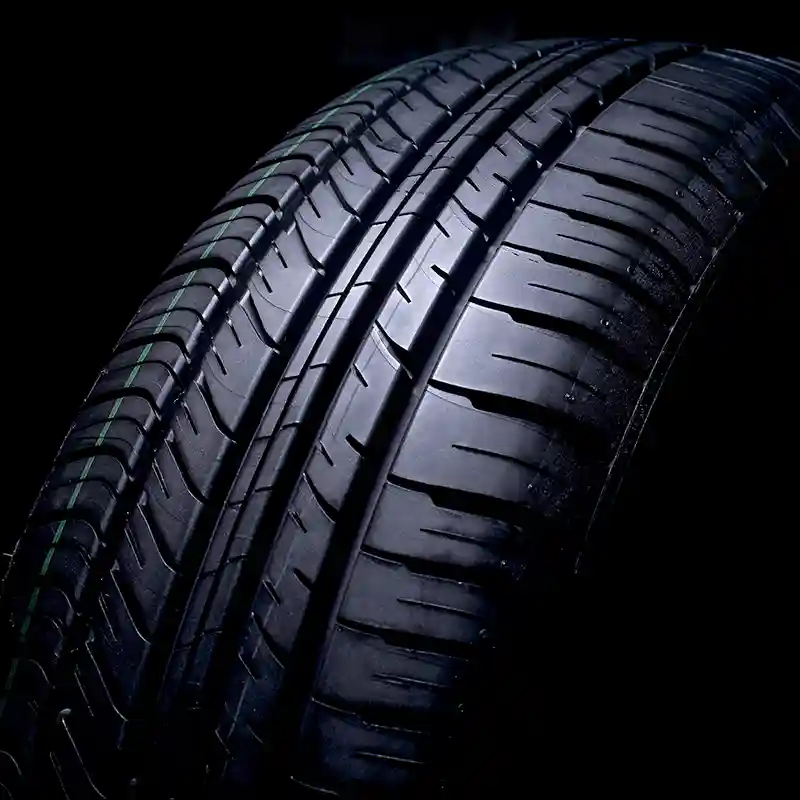
All season tires are engineered to deliver dependable grip and comfort in a wide range of temperatures and road conditions, from hot summer pavement to cool, rainy days and light winter dustings. They use specialized tread designs and rubber compounds that stay flexible in mild cold while resisting excessive heat buildup in warmer months, making them a practical, long-lasting choice for most daily drivers.
Practically speaking, all season tires are about versatility—not pushing extremes. They’re made to handle everyday commutes, family trips, and changing weather without frequent tire swaps. However, posted speed limits, traffic, heavy rain, slush, tire condition, and safe driving practices still dictate how fast you should drive and how you should maneuver, regardless of tire type.
At Automotive Expressions, we help drivers in Flowery Branch, GA, and across North Georgia choose all season tires that fit properly and match how the vehicle is actually used. We evaluate size, load index, speed rating, wheel width and offset, fender and suspension clearances, towing needs, road conditions, and climate to recommend a set that delivers confident traction and value throughout the year.
What Makes an All Season Tire?
All season tires combine tread patterns, siping, and rubber chemistry to provide balanced performance across most daily scenarios. Their compounds are formulated to remain compliant in cool weather for traction while maintaining stability in summer heat. Many modern passenger and light-truck all season tires include an M+S (Mud and Snow) marking on the sidewall indicating they meet a minimum standard for light-snow traction.
For example:
225/60R18 100H225/60R18 100H
In this tire size:
- 225 is the nominal tire width in millimeters.
- 60 is the aspect ratio, or approximate sidewall height as a percentage of tire width.
- R identifies radial construction.
- 18 identifies the wheel diameter in inches.
- 100 is the tire load index.
- H is the tire speed rating.
Beyond size and ratings, key all season features include circumferential grooves that channel water to combat hydroplaning, 3D sipes for bite on chilly mornings, and shoulder blocks tuned for predictable cornering. While they manage light snow, they are not a substitute for dedicated winter tires in severe cold or deep snow, and extreme summer performance is better served by summer or UHP options.
Common All Season Tire Categories
All season tires come in several subtypes for passenger cars, crossovers, SUVs, and light trucks. Choosing the right category depends on how and where you drive. Always confirm features and markings on the specific tire you are considering, as construction and intent vary by model.
Category |
Primary Focus* |
Common Applications |
|
Standard Touring All-Season |
Comfort, long tread life, quiet ride |
Sedans, compact cars, daily commuters |
|
Grand Touring All-Season |
Refined handling, wet grip, highway stability |
Family sedans, wagons, crossovers |
|
All-Season Performance |
Sharper steering, higher speed ratings |
Sport sedans, coupes, performance-oriented trims |
|
Crossover/SUV All-Season |
Load capacity, comfort, wet and light-snow traction |
Crossovers, SUVs, light-duty use |
|
Highway All-Season (LT) |
Durability, towing stability, tread life |
Light trucks, vans, work vehicles |
|
All-Terrain All-Season |
On/off-road balance, tougher sidewalls |
Trucks, SUVs, adventure travel |
|
Severe-Snow Rated All-Weather |
3PMSF traction, winter-capable compound |
Regions with frequent snow and cold |
|
EV-Focused All-Season |
Low rolling resistance, noise reduction |
Electric cars, crossovers, luxury EVs |
|
Run-Flat All-Season |
Limited mobility after puncture |
Vehicles equipped for run-flat use |
|
Commercial All-Season (C-Metric) |
Load capacity, durability, mileage |
Delivery vans, small commercial fleets |
*Focus areas reflect typical design goals under proper inflation and load. Actual performance varies by tire model, climate, and vehicle setup. For harsh winters or extreme performance demands, consider dedicated winter or summer tires respectively.
Why All Season Tires Are a Smart Choice
All season tires provide a practical balance of traction, comfort, and longevity for drivers who face changing conditions without extreme heat-track use or deep-winter driving. Their compounds manage heat and cold better than single-season options, and their tread designs evacuate water efficiently while offering predictable handling for daily use.
Within the all season category, design details vary: some models favor a softer compound and dense siping for cooler, wet climates; others use stiffer shoulders and reinforced construction for sharper steering and heavier vehicles. Tradeoffs can include ride firmness, price, and tread life, depending on whether the tire leans toward comfort, mileage, or performance.
When comparing options, ask practical questions:
- Does this tire meet my vehicle’s original size, load index, and speed rating?
- Does it offer the wet braking and hydroplaning resistance I need for local weather?
- Is it tuned for my vehicle type—compact car, luxury SUV, light truck, or EV?
- Will it support towing or payload requirements, if applicable?
- Am I changing wheel size or ride height, requiring a professional fitment check?
Always match the tire’s load index to the vehicle’s requirements—safety and stability depend on proper load capacity as much as on traction and handling.
Should You Stick With the Factory Specification?
In most cases, selecting all season tires that meet or exceed your vehicle manufacturer’s recommended size, load index, and speed rating is the most reliable route. These specs were chosen to support the vehicle’s weight, suspension tuning, braking, and handling targets.
Going below the recommended load index or choosing an unsuitable tire type can change how the vehicle drives and may be inappropriate for your application. Some exceptions exist—such as opting for all-weather or winter tires with a different speed symbol for cold climates—but you must follow the tire’s limitations and drive within its capability.
Upgrading within the all season category can improve wet grip, road noise, or steering response, but it may alter ride quality, price, and tread-life expectations. The ideal choice depends on your vehicle, climate, budget, and driving style.
Before changing from factory specifications, review your owner’s manual and tire placard, and consult a qualified tire professional at Automotive Expressions.
All Season Tires and Everyday Performance
All season tires are engineered to deliver balanced capability in warm, cool, and mildly cold weather, making them a practical choice for commuters and family vehicles. You’ll find them on sedans, crossovers, SUVs, light trucks, and luxury vehicles where year-round convenience and predictable road manners matter more than extreme summer grip or dedicated winter traction.
Choosing an all season tire isn’t just about a name on the sidewall. The right set should fit your wheels correctly, maintain proper clearance, carry the required load, and provide the wet and dry traction you need for your local climate and driving style. Tread design, rubber compound, and construction all work together to influence noise, comfort, braking distance, and tread life.
For example, a touring-oriented all season tire may emphasize quiet operation and long mileage for highway use, while a performance all season model tightens steering response and braking at the expense of some ride softness. If you regularly face freezing temperatures or frequent snow and ice, a dedicated winter tire will still outperform an all season in deep cold, even though modern all season compounds handle light snow and cool rain better than summer tires.
All Season Options for Trucks, SUVs, and Crossovers
Drivers of trucks and SUVs often need tires that balance daily comfort with capability. The best all season choice depends on how you use your vehicle—commuting, weekend road trips, light trail travel, towing, or a mix of all of the above.
Highway all season and all season touring tires typically feature tighter tread blocks for a smooth, quiet ride, responsive wet braking, and good tread life. All terrain all season tires use more open tread patterns and reinforced construction for occasional gravel and dirt, trading a bit of on-road hush for extra versatility. Each style is tuned for different priorities, from road comfort to durability and light off-road traction.
If you tow or haul, pay close attention to load index, load range where applicable, and inflation needs to support vehicle and cargo weight. Matching the tire to your Gross Vehicle Weight Rating, axle limits, and real-world use is more important than chasing the most aggressive tread pattern. The ideal all season tire should suit your routes, payloads, and weather—not just the look you prefer.
Speed capability and handling still matter, but the smartest choice is a tire that fits your entire use case. At Automotive Expressions, we evaluate the full package so your all season selection delivers the comfort, control, and durability you expect all year long.
How Vehicle Changes Impact All Season Tire Selection
Any time you change wheel diameter, tire size, suspension height, or how you use your vehicle, have the whole setup reviewed before purchasing all season tires.
This is especially important for drivers who are:
- Installing larger tires on a truck, Jeep, or SUV
- Adding a lift kit or leveling kit
- Lowering a car or performance SUV
- Moving to wider wheels
- Changing wheel offset or backspacing
- Switching from all-season tires to summer, winter, drag radial, or mud-terrain tires
- Building a vehicle for towing, hauling, off-roading, track use, or show use
An all season tire can look right on paper and still be the wrong match in practice. Incorrect overall diameter can alter speedometer readings and trigger clearance issues. A wheel that’s too narrow or too wide can distort the tread contact patch and affect braking and steering. Offsets that push the tire outward can cause rubbing under compression or at full lock.
At Automotive Expressions, we factor in tire sizing, wheel sizing, offset, clearance, suspension modifications, load needs, and intended use to recommend the best all season options. This comprehensive approach helps prevent fitment headaches and supports a setup that rides comfortably, grips confidently in changing weather, and lasts as intended.
Year-Round Safety Tips for All Season Tires
Tire safety depends on condition and maintenance. All season performance assumes proper inflation, correct load, and a tire that’s undamaged and within service life. Do not push a tire that is worn, underinflated, overloaded, cracked, bulging, punctured, or showing structural issues.
Follow these practical tire safety steps:
- Check tire pressure when tires are cold and follow the vehicle manufacturer’s recommended pressure on the door-jamb placard.
- Inspect tread depth and look for uneven wear, cracks, bulges, cuts, embedded objects, and sidewall damage.
- Do not exceed your vehicle’s load limits, axle ratings, or tire and wheel load ratings.
- Have vibrations, repeated air loss, pulling, or unusual tire noise inspected promptly.
- Rotate tires according to the tire and vehicle manufacturer’s guidance when the tire setup allows rotation.
- Replace tires that are damaged, excessively worn, aged, or otherwise unsafe for use.
- Follow posted speed limits and adjust speed for rain, traffic, road quality, visibility, and vehicle load.
A dashboard tire-pressure warning light indicates that at least one tire is significantly underinflated and should be inspected as soon as practical.
All Season Tire Guidance in North Georgia
Picking the right all season tire involves more than a tread pattern. Climate, driving style, tire size, load rating, wheel width, wheel offset, vehicle clearance, and suspension setup all influence how your vehicle rides and handles year-round.
Automotive Expressions helps drivers in Flowery Branch, Gainesville, Buford, Cumming, Suwanee, Sugar Hill, Alpharetta, Johns Creek, Lawrenceville, and surrounding North Georgia communities choose all season tires, custom wheels, lift kits, leveling kits, lowering kits, and vehicle accessories.
Contact Automotive Expressions to discuss all season tire options, load ratings, tread designs, wheel-and-tire fitment, suspension clearance, and professional installation for your car, truck, SUV, or Jeep.