Ram Fitment Guide | Wheels, Tires & Suspension
Use our Ram Fitment Guide for precise wheel, tire, and suspension choices across Ram 1500, 2500, and 3500 models and trims. Contact Automotive Expressions today.
Ram Fitment Guide:Wheels, Tires & Suspension for 1500, 2500, 3500
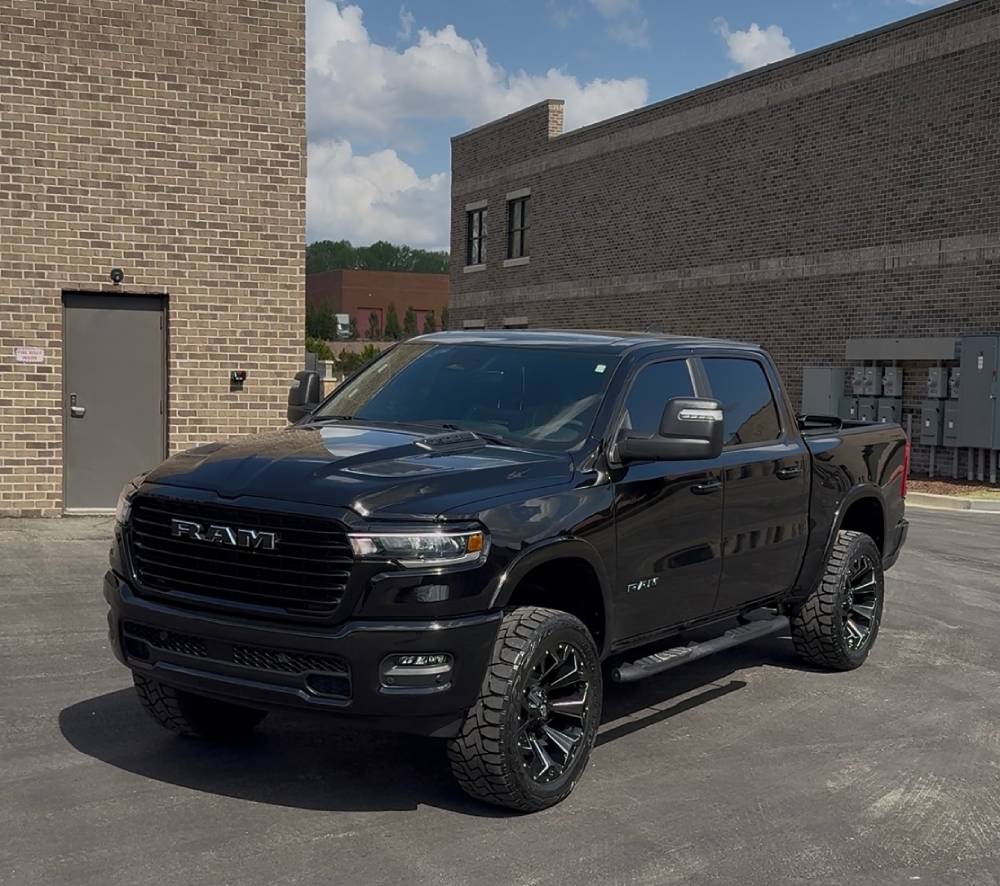
Ram trucks invite a wide spectrum of customization—from leveled Ram 1500 daily drivers and off-road-ready Rebel/Warlock builds to heavy‑duty Ram 2500/3500 tow rigs with upgraded wheels, tires, and suspension. Each Ram platform carries its own specifications for bolt pattern, hub bore, brake clearance, offset, load ratings, and suspension geometry. The Ram Fitment Guide breaks down these details so you can select components that fit correctly the first time.
A wheel that works on a 2019+ Ram 1500 (6×139.7) won’t interchange with many older Ram 1500 models that used 5×139.7. Likewise, a tire that clears a leveled 1500 may be too light in load rating for a 2500 Cummins used for towing. Heavy‑duty Rams also introduce considerations like eight‑lug patterns, larger brake packages, hub protrusion, and dual rear wheel applications that demand purpose-built wheels.
Proper fitment is the foundation of any wheel, tire, level, lift, or suspension upgrade. At Automotive Expressions, we help Ram owners in Flowery Branch, GA, and across North Georgia design model‑specific wheel, tire, suspension, and accessory packages. We evaluate diameter, width, bolt pattern, hub‑centric fit, offset, backspacing, brake‑caliper clearance, tire size, load index, ride height, alignment, and intended use. Automotive Expressions supplies custom wheels and tires, lift kits, leveling kits, truck accessories, and professional installation for drivers throughout the northern Atlanta area.
Why Ram Fitment Varies
Ram uses different bolt patterns, hub bores, offsets, brake sizes, and suspension layouts across 1500, 2500, and 3500 models and generations. Even trims within the same model year can have unique brake packages or ride heights that affect clearance.
For instance, many modern Ram 1500 trucks (’19+) use a 6×139.7 mm pattern, while earlier Ram 1500 generations commonly used 5×139.7. Ram 2500/3500 heavy‑duty models typically use 8‑lug patterns, and dual rear wheel (DRW) trucks require dedicated dually wheels with correct offsets and mating surfaces.
Never choose wheels by appearance or lug count alone. Before purchasing wheels, tires, or suspension parts, confirm:
- Exact vehicle year, make, model, trim, drivetrain, and axle configuration
- Wheel bolt pattern
- Hub bore and hub-centric fitment needs
- Lug-nut thread size, seat type, and torque requirements
- Wheel diameter and width
- Wheel offset and backspacing
- Brake-caliper and brake-rotor clearance
- Tire size and approved wheel-width range
- Tire load index, speed rating, and load range where applicable
- Wheel load rating
- Fender, suspension, steering, and body clearance
- Factory or modified ride height
- Alignment requirements
- Towing, hauling, off-road, performance, or daily-driving use
Your Ram’s Tire and Loading Information label on the driver-side door jamb lists factory tire size and recommended cold tire pressure. Many late-model trucks also include TPMS to help you maintain proper inflation; ensure any new wheel and tire setup remains TPMS-compatible.
Ram 1500/2500/3500 Fitment Essentials
Ram trucks are among the most customized vehicles in North Georgia. Popular upgrades include aftermarket wheels, larger tires, leveling kits, lift kits, side steps, and bed accessories. Correct selection depends on model, year, brake package, and how the truck is used.
Most 2019+ Ram 1500 models use a 6×139.7 mm bolt pattern, while many older Ram 1500s used 5×139.7. Ram 2500 and 3500 models use 8‑lug designs, and dually 3500s require dedicated DRW wheels. Always verify hub bore and hub‑centric needs, as well as wheel load ratings suitable for half‑ton versus heavy‑duty applications.
Ram Wheels and Tires
Common aftermarket wheel diameters range from 17 to 22 inches. Choose based on sidewall needs, brake clearance, payload/towing demands, local road conditions, and target appearance.
- 17-inch wheels are ideal for off-road builds needing taller sidewalls and improved aired-down performance, if they clear the brake package.
- 18-inch wheels balance all-terrain options, towing stability, daily comfort, and availability.
- 20-inch wheels suit modern street and leveled trucks, offering broad tire selection with moderate sidewall.
- 22-inch wheels prioritize style; expect shorter sidewalls that reduce impact protection and can affect ride quality.
Offset and backspacing dictate inner UCA and caliper clearance as well as outer fender poke. More negative offset widens stance but can increase rub at liners, pinch-weld areas, and bumper corners, potentially requiring trimming.
Levels, Lifts, and Clearance Checks
Leveling kits reduce factory rake, while lift kits raise overall ride height to fit larger tires. Clearance is not guaranteed—verify at full lock and full compression for liner, UCA, pinch weld, and bumper contact. On HD Rams, larger brakes and hub protrusion can limit wheel styles; confirm caliper-to-barrel and spoke clearance.
Trucks used for towing or hauling must prioritize tire load index, wheel load rating, correct tire pressure, and adequate sidewall. Wheels and tires do not increase factory payload or tow ratings. After any height change, schedule an alignment to protect handling and tire wear.
Ram Wheel and Tire Priorities by Use
Ram SUVs aren’t in the mix, but Ram 1500, 2500, and 3500 trucks serve families, job sites, road trips, and mild to aggressive off-road use. Wheel and tire choices should reflect how your truck actually works—daily commuting, towing a camper, hauling equipment, or exploring trails.
Many late‑model Ram 1500s and numerous 2500/3500 trims use a 6×139.7 mm or 8‑lug pattern, respectively. Shared patterns across trims don’t guarantee interchangeability—always verify hub bore, brake clearance, offset, wheel width, load rating, and tire clearance for your exact configuration.
What to Prioritize
For balanced builds, 18- to 20-inch wheels provide a practical mix of tire sidewall, comfort, towing stability, and selection. Larger diameters can look premium but typically force lower-profile tires that ride firmer and offer less impact protection.
When selecting a wheel-and-tire package, consider:
- Passenger and cargo loads
- Trailer towing needs
- Tire load index and load range (especially for HD)
- Wheel load rating
- Road-noise and ride comfort goals
- Seasonal and weather performance
- Wheel and tire assembly weight
- Factory or modified ride height (level/lift)
- Clearance at fenders, liners, UCAs, and during compression/turn
Suspension Notes
A mild level can even the stance and create space for modest tire upsizes. Larger lifts allow more diameter but often require careful offset selection to avoid rubbing on liners, pinch welds, and bumper ends. After altering ride height, get an alignment to correct camber, caster, and toe. Any new vibration, pull, or rubbing should be inspected immediately. For off-road articulation specifics, see our Jeep Fitment Guide, then work with us to translate those principles to Ram widths and clearances.
Ram 1500/2500/3500 Fitment Overview
Ram pickups span light-duty half-ton models to heavy-duty workhorses, and each generation brings unique wheel, tire, and suspension considerations. Whether your Ram handles daily commuting, jobsite duty, towing, or long-distance hauling, proper fitment protects components, improves stability, and prevents rubbing under load or during steering and suspension travel.
Most late-model Ram 1500 trucks use a 6×139.7 mm bolt pattern, while many Ram 2500/3500 heavy-duty models utilize an 8-lug pattern. Older Ram 1500s may feature a 5×139.7 mm pattern. Always verify model year, drivetrain, brake package, wheel width, offset, hub bore, and load rating before purchasing. Automotive Expressions can confirm the exact specs for your truck and intended use.
Ram Wheel and Tire Selection
For daily-driven and towing-focused Rams, balanced setups emphasize ride quality, payload and towing safety, and component longevity. Comfort and control matter as much as looks, especially on long trips or when carrying gear and passengers.
A practical package may include:
- An 18-inch or 20-inch wheel
- Highway-terrain or all-season tires for quiet ride and stability
- Sufficient tire load index for half-ton vs. heavy-duty use
- A wheel with appropriate load rating for the truck’s GVWR
- Moderate offset/backspacing to preserve UCA and fender clearance
- Enough sidewall height for comfort and pothole protection
For a customized stance, 22-inch wheels can work on Ram 1500 models when paired with the right tire size, offset, and brake clearance. Avoid trading away load capacity, durability, or towing confidence just for appearance. Automotive Expressions can help you balance form and function for your specific Ram build.
Ram Towing, Payload, and Load Ratings
Rams frequently carry tools, passengers, a bed full of cargo, and trailer tongue weight—all at once. That real-world mix demands the correct tire load index, wheel load rating, proper inflation, and a suspension that’s in good condition. Heavy-duty trucks also require higher wheel and tire load capacities than half-ton models.
Never approximate capacity by multiplying a tire’s max load by four. Loads shift during braking, turning, uneven pavement, and towing. Follow Ram’s published GVWR, GAWR, payload and towing limits, and respect the lowest-rated component in your setup. Automotive Expressions can match wheel, tire, and suspension choices to your Ram’s exact work and travel needs.
Ram Bolt Patterns, Hub Bore, and Generational Notes
Ram fitment varies by generation and series. Ram 1500 trucks commonly use a 6×139.7 mm pattern in modern years, while many earlier Ram 1500 models used a 5×139.7 mm bolt pattern. Ram 2500/3500 heavy-duty models typically run 8-lug patterns with larger hub bores, and dual rear wheel (DRW) configurations add further constraints on wheel design, offset, and load rating.
Because of these differences, never assume a wheel from another Ram generation—or from a different brand—will fit. Confirm bolt pattern, hub bore, hub-centric fitment, offset/backspacing, wheel width, brake clearance, tire size, and load capacity before you buy. Automotive Expressions verifies each parameter to prevent return hassles and rubbing issues.
Ram Wheel-and-Tire Fitment Checklist
Choosing the right combination for stock, leveled, or lifted Rams requires attention to clearances at the upper control arm (UCA), fender liners, and pinch welds. Sidewall height and tire construction also influence real-world diameter and width.
Before selecting a package, confirm:
- Exact model year, series (1500/2500/3500), and bolt pattern
- Hub bore size and hub-centric vs. lug-centric fit
- Wheel width and tire manufacturer-approved range
- Offset and backspacing appropriate for stock, level, or lift
- Brake caliper and hub protrusion clearance
- True measured tire diameter and section width
- UCA, knuckle, and steering clearance at full lock
- Fender liner, bumper, and pinch weld clearance under compression
- Level or lift height and shock/spring travel
- Tire load index matched to half-ton vs. HD requirements
- Potential trimming needs to eliminate rub
Stock vs. Leveled/Lifted Ram Considerations
Level kits and lifts change wheel offset needs and tire diameter room. A tire that clears at stock height might rub the liner or pinch weld when you add wider wheels or more aggressive offset. Plan the wheel, tire, and suspension setup together and account for added weight from accessories like winches, bumpers, or bed racks. For brand-specific off-road articulation nuances, see our Jeep Fitment Guide, but keep in mind Ram axle widths and clearances are different and require Ram-specific measurements.
Offsets, Backspacing, Tires, and Clearance on Ram Trucks
Getting offset and backspacing correct on a Ram directly affects fender, liner, and UCA clearance, as well as scrub radius and steering feel. Wider wheels and negative offsets push tires outward, which may improve stance but can introduce rubbing on liners, the pinch weld, or the bumper during compression and at full lock. Brake caliper shape and hub protrusion further influence which wheel designs will clear safely.
Ram generations and trims accept different tire ranges depending on height and wheel choice. Stock-height Ram 1500s often clear mild all-terrain sizes on 18–20 inch wheels, while leveled trucks can step up to larger diameters with careful offset choice. Heavy-duty Ram 2500/3500 models require higher load-index tires and wheels and have less tolerance for low-strength options due to towing and payload demands.
Ram Tire and Wheel Sizing Guidance
When planning your setup, consider:
- Offset/backspacing that preserves UCA clearance on stock and leveled suspensions
- Tire width vs. wheel width to minimize pinch-weld and liner contact
- Brake caliper and hub clearance for aftermarket wheel spoke profiles
- Load index appropriate for half-ton vs. HD towing and payload
- TPMS compatibility and correct sensor frequency for your model year
- Lug hardware type (conical vs. ET lugs) and proper seat engagement
- Real-world measured tire size, not just nominal labeling
- Trimming expectations: no-trim, minor heat/trim, or significant modification
- Overall diameter effects on gearing, speedometer, and towing performance
- Wheel weight vs. strength for work, highway, and off-road use
Lightweight wheels can improve response, but must still clear large Ram brake packages and meet load requirements—especially on 2500/3500 trucks. Automotive Expressions can model caliper clearance, verify hub-centric fitment, and recommend offsets that minimize rub.
Example Ram Fitments and Trim Notes
Ram 1500 (stock height) on 18×9 +18 with 275/65R18: typically no trim, good UCA clearance, minimal liner contact. Ram 1500 (2-inch level) on 20×9 0 to +12 with 295/55R20: minor liner/pinch-weld heat and push may be required. Ram 1500 (3–4-inch lift) on 20×10 -18 with 35×12.50R20: expect trimming at liners and lower valance; watch for UCA and bumper at full lock. Ram 2500 with 18×9 +18 and 295/70R18: often minor liner trim; ensure E-load tires. Ram 3500 SRW towing package with 20×8.5 +44 and 275/65R20: prioritize load rating and caliper clearance. DRW models require wheel designs specific to dual applications.
For a deeper dive into off-road care and general wheel/tire maintenance, Automotive Expressions can also provide guidelines on rotation intervals, proper torque, and seasonal pressure adjustments to keep your Ram tracking straight and free of premature wear.
Ram Fitment at a Glance
Ram Vehicle |
Common Bolt Pattern |
Primary Fitment Priorities |
|
Ram 1500 (2002–2018) |
5×139.7 mm |
Offset/backspacing, UCA clearance, tire width vs. pinch weld, load index, TPMS compatibility |
|
Ram 1500 (2019–present) |
6×139.7 mm |
Hub bore vs. hub-centric rings, caliper clearance, leveled/lifted offsets, 33–35 in. tire fitment |
|
Ram 2500 (2010–present) |
8×165.1 mm (2010–2012), 8×170 mm (2013–present) |
Heavy-duty load ratings, brake package clearance, backspacing for radius arms, tire diameter vs. fender liners |
|
Ram 3500 SRW |
8×170 mm |
High load index wheels/tires, rear spring clearance, towing stance stability, offset to avoid inner rub |
|
Ram 3500 DRW |
Dual-wheel specific |
Rear dual fitment geometry, inner/outer wheel offsets, tire spacing, hub bore and stud length |
|
Ram 1500 Classic |
5×139.7 mm |
Legacy bolt pattern, correct lug hardware (conical vs. ET), minor trimming notes with 33s on level kits |
|
Ram 1500 TRX |
6×139.7 mm |
Wide-track control arms, beadlock-capable wheel options, brake/caliper clearance, off-road articulation |
These references are starting points. Specifications vary by model year, trim, drivetrain, brake package, factory wheel size, and current modifications. Always verify hub bore, bolt pattern, offset/backspacing, load ratings, and TPMS/lug-hardware requirements before ordering or booking an install.
Get Ram Fitment Help in North Georgia
The ideal Ram wheel, tire, and suspension setup should match your exact truck and how you use it. This Ram Fitment Guide explains the essentials—bolt patterns and hub bores by generation, offsets and backspacing for stock, leveled, and lifted trucks, and tire sizes that clear with no-trim, minor-trim, or significant-trim. A Ram 1500 daily driver has different priorities than a 2500 used for towing or a 3500 DRW built for heavy payloads.
Automotive Expressions is a local, family-owned wheel, tire, suspension, and truck-accessory shop in Flowery Branch, GA. We serve Ram owners throughout Gainesville, Buford, Suwanee, Sugar Hill, Cumming, Duluth, Alpharetta, Johns Creek, Lawrenceville, and surrounding North Georgia communities.
Use this Ram Fitment Guide to review model-specific considerations, then contact Automotive Expressions to discuss Ram wheel fitment, tire sizing, bolt patterns, hub bores, wheel offset, backspacing, load ratings, level and lift-kit clearance, TPMS compatibility, lug hardware, and professional installation for your Ram 1500, 2500, or 3500.