Tire Aging Explained | Recognize, Prevent, and Replace on Time
Understand how and why tires age, what warning signs to watch for, and when to replace them for safety. Contact Automotive Expressions for expert tire inspections and replacement guidance today.
Tire Aging:How Age Affects Safety, Performance & Replacement
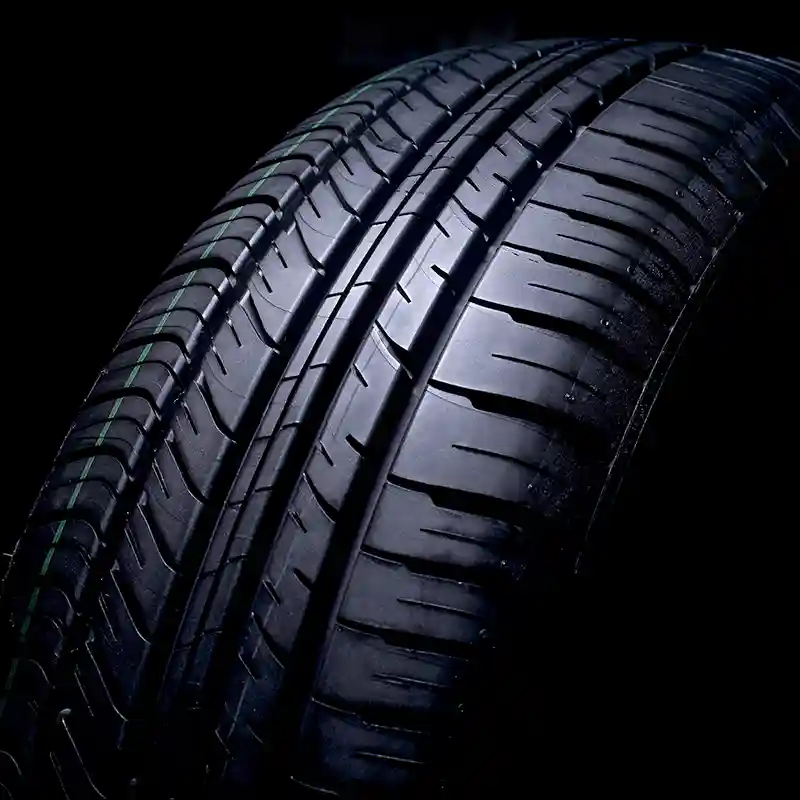
Tire aging is the gradual chemical and physical deterioration of rubber and internal components over time, regardless of tread depth. Oxygen, ozone, UV exposure, heat cycles, and simple calendar age harden the rubber, dry the sidewalls, and weaken bonding between plies and belts. You’ll often see a date stamp on the sidewall—the DOT Tire Identification Number—which includes a four-digit week/year code (for example, “2319” indicates the 23rd week of 2019) to help determine tire age.
For drivers, the key is this: a tire can look like it has plenty of tread and still be unsafe if it’s aged. Factors such as climate, storage conditions, infrequent use, and underinflation accelerate aging. Real-world safety depends on tire condition, not just mileage. Wet traction, braking, and resistance to heat build-up all decline as rubber compounds stiffen with age.
At Automotive Expressions, we help drivers in Flowery Branch, GA, and across North Georgia evaluate tire health beyond tread depth. Our technicians check sidewalls, bead areas, inner liners, and belt edges for age-related cracking, hardening, and separation. We’ll recommend the right replacement interval and tire-and-wheel packages that fit correctly and suit how you actually drive, factoring in load needs, tire size, wheel width and offset, vehicle clearance, suspension changes, towing, and daily conditions.
What Is Tire Aging?
Tire aging is a time-driven degradation process where rubber compounds oxidize and lose elasticity, cords weaken, and adhesive layers lose strength. Even properly stored and lightly used tires age, though heat, sunlight, and low inflation accelerate the process. Most passenger and light-truck tires include a DOT date code on the sidewall so you can verify when the tire was manufactured.
For example:
DOT B9 XY ABCD 2319
In this marking:
- DOT indicates compliance with the U.S. Department of Transportation.
- B9 XY ABCD identifies the plant and construction details.
- 2319 shows the manufacture date—the 23rd week of 2019.
As tires age, you may notice sidewall weather checking, tiny surface cracks in the tread grooves, increased road noise, longer stopping distances, or a firmer, less compliant ride. These symptoms can appear even when tread depth seems acceptable. Aging also raises the risk of belt-edge separation under load, especially in high temperatures, heavy-duty use, or extended highway driving.
Common Signs and Timeframes for Tire Aging
The indicators below help determine when tires should be inspected or retired, even if tread remains. Always verify the age on the specific tire you are evaluating, as climate, storage, and use patterns vary by vehicle.
Condition |
What It Means* |
Typical Triggers |
|
Fine sidewall cracking |
Surface-level weather checking from UV/ozone exposure |
Sunlight, outdoor parking, age beyond 4–6 years |
|
Crazing in tread grooves |
Rubber hardening; reduced wet grip and flexibility |
Heat cycles, infrequent use, long storage |
|
Bulges or localized deformities |
Internal cord/belt damage; elevated failure risk |
Impacts, underinflation, advanced aging |
|
Increased noise/harsh ride |
Compound stiffening and structural fatigue |
Calendar age, high heat, heavy loads |
|
Visible cord or deep cracks |
Severe deterioration; immediate replacement required |
Over-age tires, improper storage, prolonged UV |
|
DOT age beyond maker guidance |
Time-based retirement interval reached |
Often 6–10 years from manufacture; follow specific guidance |
*Inspection findings reflect real-world use, climate, and maintenance. Aged tires can fail without external warning. Many automakers and safety groups recommend professional inspection at 5–6 years and replacement by 6–10 years from the date of manufacture, even if tread remains and the tire appears serviceable.
Why Tire Aging Matters
Aging affects far more than appearance. As compounds oxidize, tires lose grip in wet and cold conditions, run hotter under load, and are more susceptible to impact damage. The structural bond between steel belts and rubber weakens with time, making high-speed, heavy-load, and high-temperature operation riskier even at legal speeds. Safety agencies and industry organizations emphasize time-in-service because aging alters the tire’s ability to manage heat, weight, and handling forces.
Construction, storage, and compound chemistry vary across tire lines, which is why two sets of similar tread depth can behave very differently if one is significantly older. Some premium touring and performance tires may mask aging with quieter tread for a while, but braking and emergency maneuvers still degrade as rubber hardens. Conversely, certain winter and all-terrain compounds can show earlier surface checking in hot climates due to ozone and heat exposure.
When choosing replacement timing, consider practical questions:
- How old are my tires based on the DOT date code, not just mileage?
- Have I noticed cracking, vibration, bulges, or longer stopping distances?
- Do my loads, towing, or summer highway trips increase heat stress?
- Has the vehicle sat for long periods, or been stored outdoors?
- Am I changing tire type, wheel size, or suspension height in a way that warrants a professional inspection?
Load capacity, inflation pressure, and age must be evaluated together. A tire must safely carry the vehicle’s weight and manage heat—requirements that become more demanding as the tire gets older.
Should You Replace Based on Age or Tread?
In most cases, following the vehicle and tire manufacturer’s time-based guidance—along with regular professional inspections—is the most reliable approach. Many recommend inspecting tires annually after five years in service and replacing them no later than a specified age window, often between six and ten years from the manufacture date, even if tread depth remains.
Using older tires for winter duty, towing, or high-temperature highway travel increases risk. Some manufacturers provide specific exceptions or maintenance notes for specialty tires, but if a tire’s age exceeds guidance or shows structural symptoms, it should be retired regardless of tread. If seasonal tires with adequate tread are approaching age limits, plan replacement before the next season.
Newer tires are not automatically better if they’re the wrong type for your needs. The best choice balances fresh manufacturing dates with the right category, load index, and inflation for your vehicle and climate. Price, ride quality, and tread-life expectations all factor in—but safety comes first.
Before making decisions, review your owner’s manual, the door-jamb tire placard, and consult a qualified tire professional at Automotive Expressions for a comprehensive inspection and age assessment.
Understanding Tire Aging and Performance Loss
Tires naturally change over time, even if they look fine on the surface. Oxygen, ozone, heat cycles, and UV exposure slowly degrade the rubber compounds, hardening the tread and sidewalls. As this happens, grip declines, wet-weather braking distances increase, and ride quality can become harsher—effects that are especially noticeable on sports cars, performance sedans, luxury vehicles, high-performance SUVs, and any vehicle tuned for sharp road response.
Choosing a tire purely by brand or performance category doesn’t address age-related risks. A tire still needs to be compatible with your wheels, have proper fender and suspension clearance, meet the correct load index, and deliver the traction you require. Age, storage history, mileage, and maintenance all influence how safely a tire will perform in your day-to-day conditions.
For example, a summer performance tire that’s several years old may feel crisp on warm days, yet its aged rubber can turn brittle in cold weather and struggle in rain. If you regularly encounter freezing temperatures, snow, slush, or icy roads, a fresher set of appropriate winter tires will provide far better cold-weather traction than an older summer set—no matter how premium the original tire was when new.
Tire Aging on Trucks, SUVs, and Off-Road Vehicles
Owners of trucks, SUVs, Jeeps, and off-road builds often focus on tread aggressiveness and load capability, but tire age can be just as critical. The demands of towing, hauling, and trail use generate heat and flex that can accelerate aging, particularly in hot climates or with frequent heavy loads.
All-terrain and mud-terrain tires are engineered for durability and tough environments, yet their compounds are still vulnerable to oxidation, UV, and heat. Over time, the rubber can stiffen and micro-crack, belts may separate, and lugs can chip more easily. Extended highway driving at high temperatures, curb impacts, and underinflation hasten these changes regardless of tread depth remaining.
For work and tow vehicles, prioritize the tire’s load index, load range, proper inflation, and wheel load rating—and evaluate age alongside tread. A tire must support the vehicle’s gross vehicle weight rating, axle ratings, cargo, and trailer tongue weight while also being young enough and structurally sound enough for real-world demands.
This doesn’t make tread design or construction unimportant; it means evaluating the whole tire—age, condition, fitment, and intended use—rather than relying on a single specification printed on the sidewall.
How Modifications Influence Tire Aging and Safety
When changing wheel size, tire size, suspension height, or vehicle purpose, have the complete setup reviewed before ordering tires.
This is especially important for drivers who are:
- Installing larger tires on a truck, Jeep, or SUV
- Adding a lift kit or leveling kit
- Lowering a car or performance SUV
- Moving to wider wheels
- Changing wheel offset or backspacing
- Switching from all-season tires to summer, winter, drag radial, or mud-terrain tires
- Building a vehicle for towing, hauling, off-roading, track use, or show use
A tire can look new yet be aged past its prime. Diameter or width changes that increase heat buildup, reduce fender clearance, or cause rubbing can accelerate aging and lead to early failures. Incorrect wheel width can distort the contact patch and stress the sidewall. Poor offset choices can cause interference under suspension travel, compounding wear and inviting cracking on older rubber.
At Automotive Expressions, we consider tire age and DOT date codes, storage history, tire sizing, wheel sizing, offset, clearance, suspension modifications, load needs, and intended use when helping customers choose custom wheel-and-tire packages. This full-vehicle approach helps reduce avoidable fitment concerns, slows premature aging, and supports a package that looks good and performs as intended.
Tire Aging Safety Tips
Tire condition has a major effect on real-world safety. A tire’s original capabilities diminish as rubber hardens and internal materials fatigue. Never trust appearance alone—replace tires that are beyond the manufacturer’s recommended service life, show cracking, have been stored improperly, or exhibit vibration, bulges, or separations.
Follow these practical tire safety steps:
- Check tire pressure when tires are cold and follow the vehicle manufacturer’s recommended pressure on the door-jamb placard.
- Inspect tread depth and look for uneven wear, cracks, bulges, cuts, embedded objects, and sidewall damage.
- Do not exceed your vehicle’s load limits, axle ratings, or tire and wheel load ratings.
- Have vibrations, repeated air loss, pulling, or unusual tire noise inspected promptly.
- Rotate tires according to the tire and vehicle manufacturer’s guidance when the tire setup allows rotation.
- Replace tires that are damaged, excessively worn, aged, or otherwise unsafe for use.
- Follow posted speed limits and adjust speed for rain, traffic, road quality, visibility, and vehicle load.
A dashboard tire-pressure warning light indicates that at least one tire is significantly underinflated and should be inspected as soon as practical.
Tire Aging Inspections in North Georgia
Tire aging is gradual and easy to overlook. Beyond tread depth, consider rubber hardness, visible cracking, storage history, heat exposure, and how you drive. Seasonal use, load rating, tread design, wheel width, wheel offset, vehicle clearance, and suspension setup all influence how quickly a tire ages and how safely it performs.
Automotive Expressions helps drivers in Flowery Branch, Gainesville, Buford, Cumming, Suwanee, Sugar Hill, Alpharetta, Johns Creek, Lawrenceville, and surrounding North Georgia communities choose tires, custom wheels, lift kits, leveling kits, lowering kits, and vehicle accessories.
Contact Automotive Expressions to discuss tire aging evaluations, DOT date code checks, tire types, wheel-and-tire fitment, suspension clearance, and professional installation for your car, truck, SUV, or Jeep.