Tire Noise Explained | Quiet Tire Solutions for Cars & Trucks
Understand what causes tire noise, how to diagnose different sounds, and the best ways to reduce them. Contact Automotive Expressions for expert tire noise diagnostics and quieter ride solutions today.
Tire Noise:Causes, Types & How to Reduce Road Noise
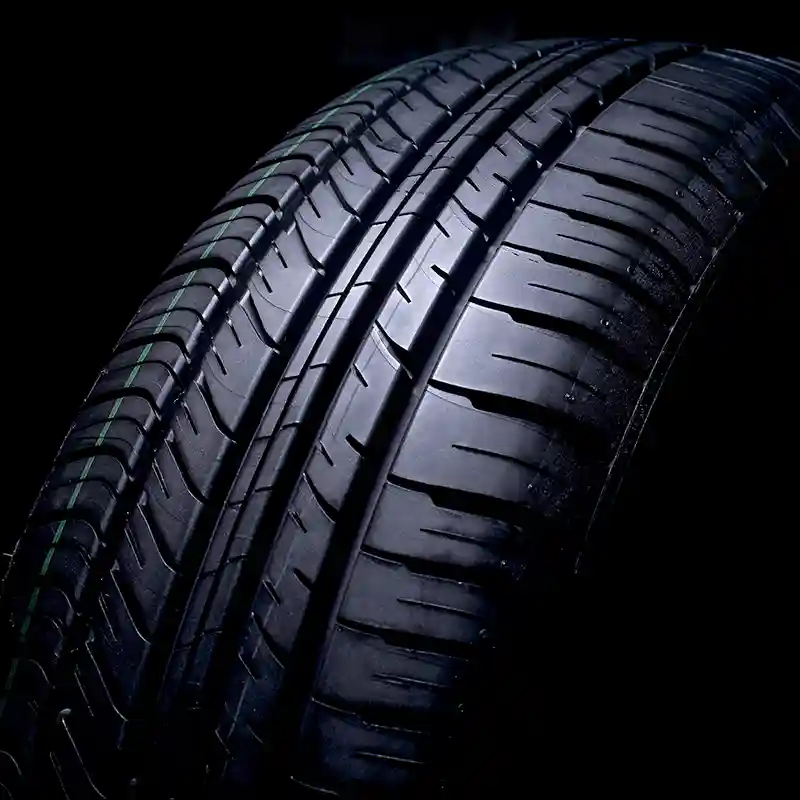
Tire noise is the sound generated where rubber meets the road, influenced by tread design, compound, tire condition, inflation, alignment, suspension, and the pavement itself. Different patterns create different tones—everything from a steady hum to a rhythmic whir or a harsh roar at highway speeds.
Drivers in Flowery Branch and across North Georgia notice tire noise in many setups: daily commuters, family SUVs, sport sedans, work trucks, Jeeps, and lifted vehicles on aggressive all-terrain or mud-terrain tires. Even if a tire fits perfectly, it can be dramatically louder than expected due to blocky tread, uneven wear, cupping from worn shocks, or improper rotation intervals.
At Automotive Expressions, we address tire noise with a vehicle-wide approach. We evaluate tread type, tire condition, rotation history, wheel balance, alignment settings, suspension health, wheel offset, tire pressures, and how you use your vehicle every day. Then we recommend solutions—quiet-focused tire models, proper inflation, balancing methods, alignment corrections, and maintenance plans—to help you enjoy a calmer cabin.
What Is Tire Noise?
Tire noise is the acoustic energy produced as the tread blocks strike, compress, and release against the road surface. Air pumping through tread grooves, vibration from block edges, and resonance inside the tire cavity all contribute to the sounds you hear.
Common examples include:
Highway hum, rhythmic whirring, and low-frequency droning
Here is what typically drives those sounds:
- Tread pattern with large, widely spaced blocks tends to be louder, while asymmetric and variable-pitch designs aim to break up tones.
- Compound hardness can transmit more vibration, especially as tires age and stiffen.
- Road surface texture (coarse asphalt vs. smooth concrete) changes noise character and volume.
- Wheel balance issues add vibration that amplifies tread noise.
- Alignment errors cause feathering and heel-toe wear that create a steady growl.
- Inflation pressures that are too high or low can increase resonance and irregular wear.
Uneven wear patterns—like cupping or scalloping—often create a helicopter-like thump that grows with speed. This happens when shocks/struts are weak, rotations are skipped, or tires run out of balance. Road load, vehicle weight distribution, added accessories, and even EV battery mass can also change how tires interact with the pavement and how loudly they sing on the highway.
To keep tire noise in check, match the tire’s tread and construction to your vehicle and driving style, maintain proper pressures, rotate on schedule, and ensure suspension and alignment are in spec. Ignoring these factors can lead to accelerated wear, louder cabin noise, and a less comfortable drive.
Tire Noise Types and What They Mean
The guide below outlines common tire noise descriptions, likely causes, and typical vehicle scenarios. Use it to narrow down the source before scheduling service—then let our technicians confirm with a road test and inspection.
Noise Description |
Likely Causes |
Typical Vehicle Applications |
|
Light hum at cruising speed |
Normal tread pattern noise; mild road texture |
Compact cars, sedans, coupes |
|
Steady drone on highway |
Harder compound, higher pressures, worn pavement |
Sedans, crossovers, small SUVs |
|
Whirring that changes with speed |
Feathered tread from misalignment or infrequent rotations |
Crossovers, SUVs, passenger vehicles |
|
Low-frequency roar |
Aggressive A/T or M/T tread blocks; coarse asphalt |
SUVs, light trucks, larger crossovers |
|
Helicopter-like thump |
Cupping/scalloping from worn shocks or imbalance |
SUVs, pickup trucks, full-size crossovers |
|
Growl when turning left/right |
Irregular wear or early wheel bearing issue |
Trucks, SUVs, towing-focused applications |
|
Buzzing at specific speeds |
Resonance from tread pitch or tire cavity |
Larger trucks, SUVs, heavier vehicle setups |
|
Rhythmic slap-slap |
Flat-spotting after storage or cold-soak |
Heavy-duty light-truck applications |
|
Vibration with audible hum |
Out-of-balance wheels or bent rim |
Trucks, SUVs, larger tire packages |
|
Sharp slap over joints |
Overinflation; stiff sidewalls; low-profile tires |
High-capacity truck and SUV tires |
|
Harmonic hum at set speeds |
Uniform tread pitch; needs variable-pitch design |
Heavy-duty light-truck tires |
While some noise is normal, sudden changes or new sounds deserve attention. Our team can measure tread depth across the tire, check for heel-toe wear, verify balance and alignment, and recommend quieter tire models or maintenance steps to restore comfort.
Tread Design vs. Road Noise
Tread pattern and the noise message molded into your driving experience are related, but not identical factors in cabin comfort.
Tread design—block size, groove width, sipe density, and pitch sequencing—sets the baseline for how a tire will sound. Designers use variable-pitch tread blocks, lateral groove tuning, and staggered shoulder elements to disrupt harmonics and lower noise.
Road and vehicle factors—surface texture, wheel balance, alignment, suspension condition, and air pressure—determine how loudly that baseline is expressed. Even a quiet-pattern tire can sound harsh if pressures are wrong or shocks are worn.
This distinction matters because a tire that tests quiet in the lab can become noisy in real use if inflation, rotation, or alignment is neglected. Underinflation, in particular, can increase tread squirm and heat, promoting irregular wear that raises noise over time.
For everyday driving, set cold tire pressures to the values on your vehicle’s door-jamb placard, rotate at the recommended intervals, and keep suspension components in good health. If you want the quietest ride, ask a qualified tire professional for a vehicle-specific recommendation that balances tread design, size, and use case.
Why Tire Noise Matters
Excess tire noise isn’t just an annoyance—it can indicate wear issues and affect comfort on long trips.
It becomes especially important when you:
- Drive a pickup truck or full-size SUV
- Tow a trailer, boat, camper, or equipment
- Commute long highway miles and want a calm cabin
- Carry family passengers who are sensitive to sound
- Add racks, tents, or accessories that already raise wind noise
- Install larger or more aggressive tires and aftermarket wheels
- Build an overlanding or off-road vehicle that still sees highway use
- Drive an electric vehicle where motor silence highlights tire roar
- Replace original tires and want a quieter alternative
For example, a lifted truck may look perfect on new A/T tires, yet produce a steady highway drone without proper pitch-sequenced tread and precise alignment. Likewise, a performance SUV with low-profile tires can ride quietly if you choose a touring-oriented compound and maintain correct pressures and rotations.
Tire choice is one part of a complete comfort system that includes wheels, suspension, alignment, and maintenance. The quietest results come from optimizing all components together—Automotive Expressions can help you create that plan.
How to Track Down Tire Noise Sources
Pinpointing where the sound comes from starts with the tires themselves. Read the tire sidewall to identify size and service description, which influences tread pattern and construction—two major drivers of noise.
245/50R20 105V245/50R20 105V
In this example:
- 105 is the load index, which affects casing stiffness and potential road hum.
- V is the speed rating, often tied to tread design and rubber compounds that can change noise levels.
A tire built for higher capacity can run a stiffer casing, which may increase cabin drone on coarse pavement when not matched to the vehicle’s needs.middle-east.michelin+1
You can also check your vehicle’s tire-information placard. It’s commonly found on the driver-side door jamb, door edge, glove compartment area, fuel-filler door, or in the owner’s manual. Proper size and recommended cold inflation pressure are listed—both are critical for balanced wear patterns and quieter operation.
If your vehicle has aftermarket wheels, a lift kit, leveling kit, lowering kit, oversized tires, or a different tire type than factory, the original placard may no longer reflect the current setup. Ask a tire professional to confirm tire size, wheel width, clearance, load capability, and the correct inflation targets to reduce pattern noise and vibration.
Passenger Tires vs. Light-Truck Tires and Noise
Passenger and light-truck tires are engineered with different priorities that affect sound. A passenger tire often uses a “P” designation before the size, while a light-truck tire commonly uses an “LT” designation.
Examples:
P265/70R17 113SP265/70R17 113S
LT265/70R17 121/118SLT265/70R17 121/118S
The passenger tire above has a 113 load index. The LT tire’s dual load-index format, 121/118, signals heavier-duty construction that can transmit more road texture and create a firmer, sometimes louder ride compared to a passenger-metric tire.
Light-truck tires suit pickups, SUVs, Jeeps, trailers, and work vehicles where durability and towing support matter. Their reinforced carcasses and blockier tread can add growl on asphalt. Passenger tires typically emphasize comfort and noise tuning. The right option depends on the vehicle’s requirements and how and where you drive.
Do not choose an LT tire only because it looks rugged. Select based on size, load capacity, construction, tread type, ride expectations, towing needs, and manufacturer recommendations—key factors that also determine how quiet the tires will be day to day.
Load Range vs. Load Index and Noise
Load range and load index are related but different—and both can influence how much noise you hear.
A load index is the numerical sidewall code that corresponds to a maximum load per tire. For example, 115 means a maximum of 2,679 pounds per tire under the applicable rated conditions. Higher indexes often come with stiffer constructions that can change road-tone and impact harshness.
A load range is commonly used with light-truck tires and identifies a tire’s construction and inflation/load-carrying category. You may see load range letters such as C, D, E, F, or other designations, depending on the tire. These often correlate with higher maximum pressures and firmer sidewalls, which may raise cabin drone on rough pavement while improving stability under load.
Neither a higher load range nor a higher load index automatically means quieter. Heavy-duty tires can excel for towing and durability but may trade some ride and acoustic comfort.
The tire’s actual size, service description, maximum load statement, inflation requirements, and manufacturer load-and-inflation tables must be considered together. Load index reflects capacity, while load range describes construction—both can impact stiffness, tread design options, and ultimately the sound profile.discounttire+1
Managing Tire Noise While Towing and Hauling
If you tow a trailer or haul heavy cargo, tire choice and pressure settings are critical for safety and sound. Added tongue weight, passengers, and gear can change contact patch shape and tread squirm, often increasing growl or whine.
For quieter, safer towing and hauling, account for:
- Vehicle gross vehicle weight rating, or GVWR
- Front and rear gross axle weight ratings, or GAWR
- Payload capacity
- Trailer tongue weight
- Gross combined weight rating, or GCWR, where applicable
- Tire load index and load range
- Tire pressure requirements for the actual load
- Wheel load rating
- Suspension condition and modifications
- Trailer-tire condition and trailer load ratings
Avoid assuming noise equals a tire defect—uneven weight distribution can make one axle or corner sing louder, especially while towing, braking, turning, or on uneven terrain. Vehicle and axle ratings and the lowest-rated component remain your limits and guides.
For commercial use, frequent hauling, or large-trailer towing, consult the owner’s manual and work with a qualified tire professional who can evaluate the full setup and recommend tread designs and pressures that balance stability with quieter operation.
Tire Noise on Lifted Trucks and Custom Builds
Lifted trucks, Jeeps, and SUVs often run larger tires, wider wheels, different offsets, and suspension changes—all of which can increase tire noise if not planned carefully.
Bigger, heavier tires and aggressive tread patterns can create a pronounced hum or howl. Wider wheels and altered offsets can shift the contact patch and alignment angles, causing cupping or feathering that gets loud quickly. Add armor, racks, and overland gear, and the extra weight may require higher pressures that firm up the ride and elevate cabin drone.
When building a custom vehicle, verify:
- Tire load index and tire load range
- Wheel load rating
- Correct bolt pattern and center bore
- Wheel width, offset, and backspacing
- Tire-to-fender and tire-to-suspension clearance
- Brake clearance
- Steering and suspension travel
- Lift or leveling-kit compatibility
- Alignment requirements
- Actual towing, hauling, and cargo needs
Automotive Expressions helps North Georgia customers coordinate wheels, tires, lift kits, leveling kits, lowering kits, and accessories as a complete package. Our professional fitment reviews focus on minimizing rubbing, preventing irregular wear, and selecting tread designs and pressures that keep road roar in check.
Tire Noise Reduction Safety Tips
Follow these best practices to control tire noise:
- Never install a replacement tire with a lower load index than the manufacturer requires—mismatched stiffness can increase noise and compromise safety.
- Use the recommended cold tire pressure shown on the placard unless a qualified professional advises otherwise for an approved modified setup.
- Do not use the maximum sidewall pressure as your everyday target; overinflation can amplify impact slap and tread howl.
- Account for passengers, cargo, towing equipment, tools, trailers, and accessories—pressure needs change with load and can affect sound.
- Confirm that aftermarket wheels have adequate load ratings and compatible widths/offsets to avoid edge wear and noise.
- Inspect tires regularly for low pressure, uneven tread wear, cupping, feathering, bulges, cuts, punctures, cracking, or damage.
- Have a tire inspected after a severe pothole strike, curb impact, or suspected overloading event; hidden damage can get noisy before it fails.
- Stay within your vehicle’s GVWR, GAWR, payload, and towing limits to prevent heat buildup and the droning that comes with deformed tread blocks.
Quiet performance assumes proper inflation, appropriate use, sound tire condition, and correct alignment. Overloading or running inadequate pressure can increase heat, accelerate irregular wear, and turn a quiet tire into a noisy one.
Get Tire Noise Help in North Georgia
Tire noise isn’t just an annoyance—it’s a signal. The right tire size, tread design, construction, and pressure can transform cabin comfort while maintaining safety and performance. From highway hum to off-road howl, proper selection and setup are key.
Automotive Expressions serves drivers in Flowery Branch, Gainesville, Buford, Cumming, Suwanee, Sugar Hill, Alpharetta, Johns Creek, Lawrenceville, and surrounding North Georgia communities. Our team can help you compare tread patterns, load constructions, wheel options, suspension modifications, and complete wheel-and-tire packages to dial in a quieter, more refined ride for your car, truck, SUV, or Jeep.
Contact Automotive Expressions today for expert tire guidance, noise-focused recommendations, precision wheel fitment, tire installation, lift and leveling solutions, and vehicle upgrades tailored to your driving environment.