Summer Tires Guide | Grip, Handling, and Heat Performance
Discover how summer tires improve warm‑weather traction, what sets them apart from all-season options, and when to choose them. Contact Automotive Expressions for expert tire selection and fitment support today.
Summer Tires:Performance, Grip & Warm-Weather Driving
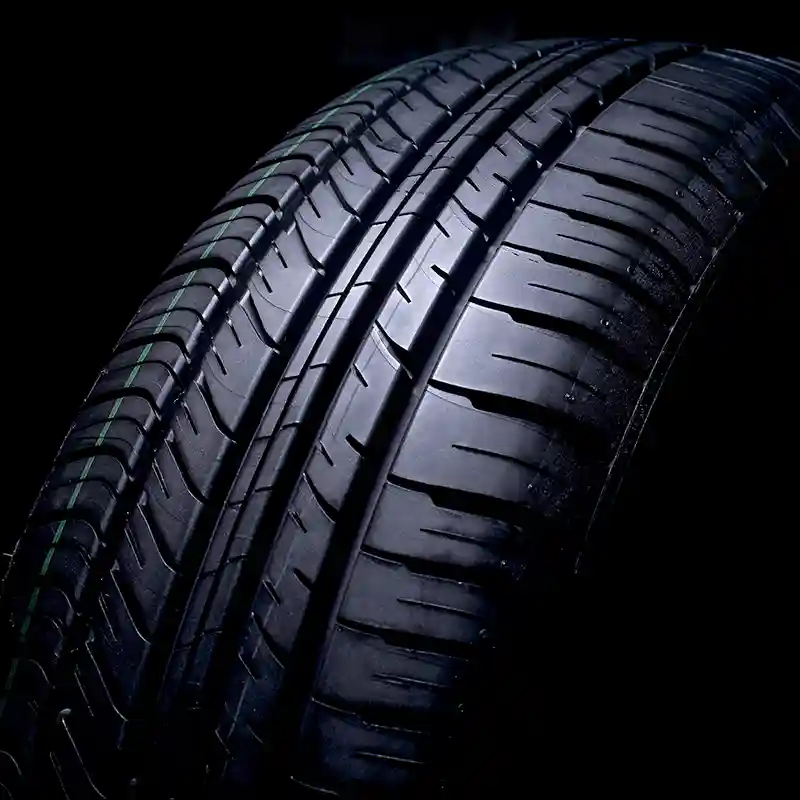
Summer tires are engineered for confident driving in warm conditions, using specialized rubber compounds that stay flexible in heat and tread patterns that maximize road contact on dry and wet pavement. You’ll see their capabilities identified on the sidewall through a service description that includes size, load index, and speed rating—for example, in 225/45R17 91V, the construction and sizing are paired with a load index and a performance-focused speed symbol common to many summer tire designs.
In practical terms, summer tires are about control, not a permission slip to push limits. They deliver sharper steering response, shorter stopping distances in warm temps, and confident cornering—when properly inflated, correctly loaded, and driven within posted speed limits and road conditions. Temperature, tread depth, pavement quality, and vehicle health all influence real-world performance.
At Automotive Expressions, we help drivers in Flowery Branch, GA, and throughout North Georgia choose summer tires and wheel packages that fit precisely and match how the vehicle is used. We consider compound and tread design, load rating, tire size, wheel width and offset, fender and suspension clearance, alignment settings, towing needs, and day-to-day driving—so your summer setup delivers the grip and responsiveness you expect.
What Makes a Tire a “Summer” Tire?
Summer tires combine warm-weather rubber blends with tread designs optimized for dry grip and confident wet braking. When properly inflated and used within their load limits, they provide crisp handling and direct feedback that many enthusiasts prefer for spring through early fall. You’ll typically find a performance-oriented speed symbol in the sidewall service description, reflecting the tire’s intended use in higher-traction, warm conditions.
For example:
225/60R18 100H225/60R18 100H
In this tire size:
- 225 is the nominal tire width in millimeters.
- 60 is the aspect ratio, or approximate sidewall height as a percentage of tire width.
- R identifies radial construction.
- 18 identifies the wheel diameter in inches.
- 100 is the tire load index.
- H is the tire speed rating.
A summer tire with an H rating is tested for stable performance up to 130 mph under controlled lab conditions—but summer tires are not intended for cold temperatures, ice, or snow. Their compounds can harden in cold weather, reducing traction. Always factor in real-world variables such as road hazards, inflation pressure, vehicle load, heat buildup, tread depth, and the condition of your brakes and suspension.
Popular Summer Tire Categories
Summer tires span several performance tiers for passenger cars, sports sedans, performance SUVs, and trucks equipped with street-focused packages. Always review the exact specification of the tire you’re considering, as construction, compound, and intended use differ by model and category.
Speed Rating |
Maximum Certified Speed* |
Common Applications |
|
Q |
100 mph |
Rare on summer tires; more typical of winter/off-road designs |
|
R |
106 mph |
Limited specialty uses; not common for performance summer options |
|
S |
112 mph |
Entry passenger applications; most summer tires start above S |
|
T |
118 mph |
Touring categories; warm-weather use in basic fitments |
|
U |
124 mph |
Some touring and passenger summer lines |
|
H |
130 mph |
Sport touring; balanced summer grip and comfort |
|
V |
149 mph |
Performance sedans, sport coupes, performance SUVs |
|
W |
168 mph |
Ultra-high-performance summer tires |
|
Y |
186 mph |
Max-performance and exotic applications |
|
ZR |
Over 149 mph category |
High-performance designation; verify full service description |
*Maximum capability reflects controlled test conditions with correct inflation and permissible loading. It is not a recommended operating speed or a substitute for legal limits and safe driving. The standard chart lists Q at 100 mph, S at 112 mph, T at 118 mph, H at 130 mph, V at 149 mph, W at 168 mph, and Y at 186 mph.
Why Choose Summer Tires
Summer tires aren’t just about higher speed potential—they’re engineered to manage heat, lateral grip, and braking in warm temperatures. Their compounds and construction prioritize responsive handling, while tread patterns use wide ribs and fewer sipes to maximize contact patch on dry roads and evacuate water efficiently in rain.
Compared to all-season tires, many summer options deliver quicker steering response and shorter warm-weather stopping distances. The tradeoffs can include reduced performance in cold conditions, faster wear when driven aggressively, and firmer ride characteristics depending on the model. Selecting the right summer tire means balancing grip, noise, comfort, tread life, and wet performance for your vehicle and climate.
When narrowing choices, ask practical questions:
- Does this summer tire meet my vehicle’s original load requirements?
- Will its handling and braking characteristics match how I drive?
- Is it appropriate for a sports sedan, performance SUV, or daily commuter used in warm weather?
- Does it align with my towing, cargo, and highway needs during summer months?
- Am I changing wheel size, tire width, or suspension height and need a professional fitment check?
Always consider the tire’s load index alongside its speed symbol. Proper load capacity is essential for safety and consistent performance.
Should You Match the Factory Specification?
In most cases, choosing summer tires that meet or exceed the vehicle manufacturer’s recommended load and speed specifications is the most dependable approach. Those factory guidelines reflect the vehicle’s weight, chassis tuning, braking system, and intended performance envelope.
Dropping below the factory speed rating or load index can change how the vehicle behaves and is generally inappropriate unless the manufacturer specifically allows it for a given application. If you seasonally switch to a dedicated setup, remember that summer tires are for warm conditions only—avoid cold snaps, snow, or ice, and store them properly in the off-season.
Moving to a higher performance category can enhance response and cornering, but it may also affect ride quality, price, and tread life. The best fit depends on the specific tire model, your vehicle, driving style, climate, and budget.
Before changing from the factory specification or altering wheel and tire sizes, consult your owner’s manual, tire placard, and a qualified tire professional at Automotive Expressions.
Summer Tire Ratings and Warm-Weather Performance
Summer tires are engineered with compounds and tread designs that stay grippy when the pavement heats up, which is why you’ll often see H, V, W, Y, or ZR speed symbols on many of these options. They’re popular on sports cars, powerful sedans, luxury vehicles, tuned SUVs, and any build where precise steering, short braking distances, and confident cornering in dry and wet summer conditions are priorities.
Still, picking a summer tire based on the highest speed letter alone isn’t the right approach. The tire must match your wheel size, clear suspension components and fenders, meet the vehicle’s load needs, and deliver traction characteristics suited to your daily routes and climate.
As an example, a V-rated max-performance summer tire can transform a sport sedan with razor-sharp response once temperatures are above 45–50°F. But that same tire will harden and lose grip in freezing weather and should not be used on snow or ice. If you encounter winter conditions, a dedicated winter tire set is the safer choice, even if it carries a lower speed rating.
Summer Tires for Trucks, SUVs, and Crossovers
Drivers of trucks, SUVs, Jeeps, and crossovers often wonder whether a high speed rating is necessary for summer use. The right answer depends on how the vehicle is used—daily commuting, sporty driving on highways, or mixed-duty use with towing and weekend adventures.
Highway-focused summer tires typically carry higher speed symbols and emphasize crisp handling and wet braking. In contrast, all-terrain or mud-terrain options prioritize off‑road traction, puncture resistance, and durability, which can come with lower speed ratings and less precise on‑road feel in warm weather.
If your truck or SUV tows or hauls, pay close attention to load index, load range (where applicable), proper inflation, and the wheel’s load capability. Matching the tire to gross vehicle weight rating, axle ratings, cargo, and trailer tongue weight is more important than chasing the highest speed letter.
Speed ratings still matter, but they’re only one factor. Choose summer tires as part of a complete package that balances grip, load capacity, fitment, and your real-world driving demands.
How Vehicle Changes Influence Summer Tire Selection
Anytime you adjust wheel size, tire dimensions, ride height, or the primary use of your vehicle, have the full setup evaluated before buying summer tires.
This is especially important for drivers who are:
- Fitting larger diameter wheels and low-profile summer tires
- Adding a lift kit or leveling kit to an SUV or truck used primarily on-road
- Lowering a car or performance SUV for improved handling
- Moving to wider wheels for a bigger contact patch
- Changing wheel offset or backspacing that may affect fender clearance
- Switching from all-season tires to dedicated summer, ultra-high-performance, or track-day tires
- Setting up a vehicle for towing, spirited canyon driving, track use, or show purposes
A tire may carry the right speed symbol and still be the wrong summer choice if the fitment is off. Incorrect overall diameter can skew your speedometer and cause rubbing. Mismatched wheel width can distort the tread shape, reducing contact and stability. The wrong offset may lead to interference during sharp turns or suspension compression.
At Automotive Expressions, we look at tire and wheel sizing, offset, clearance, suspension changes, load needs, and how you plan to drive when recommending summer tire packages. Our holistic approach helps prevent fitment headaches and delivers a setup that looks sharp and performs predictably in warm weather.
Summer Tire Safety and Care Tips
Your summer tires can only deliver their rated performance when they’re inflated correctly, not overloaded, and in good condition. Never count on warm-weather grip if a tire is worn out, aged, underinflated, overloaded, cut, bulging, punctured, or showing structural issues.
Follow these practical tire safety steps:
- Check pressures cold and use the vehicle manufacturer’s recommended settings from the door-jamb placard.
- Measure tread depth regularly and inspect for uneven wear, cracking, bulges, cuts, embedded debris, and sidewall damage.
- Respect your vehicle’s load limits, axle ratings, and the tire and wheel load ratings.
- Address vibrations, repeated pressure loss, pulling, or unusual road noise promptly.
- Rotate tires per the vehicle and tire manufacturer’s guidance when your setup allows rotation.
- Replace tires that are worn beyond safe depth, damaged, or past their usable service life.
- Obey speed limits and slow down for heavy rain, standing water, poor visibility, rough roads, and additional vehicle load.
If a tire-pressure warning light comes on, at least one tire is significantly underinflated and should be checked as soon as possible to protect the tire and ensure safe handling.
Summer Tire Expertise in North Georgia
Choosing the right summer tires means balancing fitment, load rating, tread design, seasonal use, wheel width and offset, vehicle clearance, suspension setup, and your driving style. All of these details work together to deliver confident warm‑weather performance.
Automotive Expressions helps drivers in Flowery Branch, Gainesville, Buford, Cumming, Suwanee, Sugar Hill, Alpharetta, Johns Creek, Lawrenceville, and surrounding North Georgia communities select summer tires, custom wheels, lift kits, leveling kits, lowering kits, and vehicle accessories.
Contact Automotive Expressions to discuss summer tire options, load ratings, tread technologies, wheel-and-tire fitment, suspension clearance, and professional installation for your car, truck, SUV, or Jeep.