How to Choose Tires for Daily Driving
Learn how to choose the best tires for daily driving based on comfort, tread life, weather, road conditions, and performance. Find the right tires today!
How to Choose Tires forDaily Driving
If you drive to work, run errands, take the kids to school, or spend time on the highway, choosing the right tires can make a noticeable difference in comfort, handling, traction, and safety. With so many types of tires available, knowing what to look for can make buying new tires much easier.
This tire buying guide covers the key factors to consider when selecting tires for your vehicle, including size, weather, tread life, load index, and driving conditions.
At Automotive Expressions, we help drivers explore wheel and tire options based on their vehicles and everyday driving needs.
Start With the Correct Tire Size
The first step in choosing tires is finding the correct size for your vehicle. You can typically find this information on the driver’s-side door jamb label, in your owner’s manual, or on the tire sidewall.
Tire size includes several important measurements, including:
- Tire width
- Aspect ratio
- Wheel diameter
- Load index
- Speed rating
Choosing the correct size helps ensure proper fitment and performance. If you want to change tire size, make sure the new tires are compatible with your vehicle and wheels.
Consider Your Local Weather
Weather should play an important role when selecting tires.
For drivers who experience moderate weather throughout the year, an all-season tire may provide a practical balance of dry and wet traction. If you regularly drive in severe winter conditions, a dedicated winter tire may provide better cold-weather, snow, and ice performance.
The best season tire depends on the climate where you live and the conditions you encounter most often.
Understand the Types of Tires
Different types of tires are designed for different driving needs.
- All-Season Tires: All-season tires are a popular option for everyday driving because they provide a balance of comfort, handling, and traction in a variety of conditions.
- Touring Tires: Touring tires often focus on a quiet, comfortable ride and long tire life, making them a popular choice for commuters and long-distance drivers.
- Performance Tires: Performance tires are designed for enhanced handling, steering response, and cornering. They may be ideal for drivers who prioritize responsiveness over maximum tread life.
- Winter Tires: Winter tires are designed for cold temperatures, snow, and icy conditions. If you regularly experience severe winter weather, they may provide better performance than an all-season tire.
Think About Ride Comfort
If you spend a lot of time behind the wheel, ride comfort can make a significant difference.
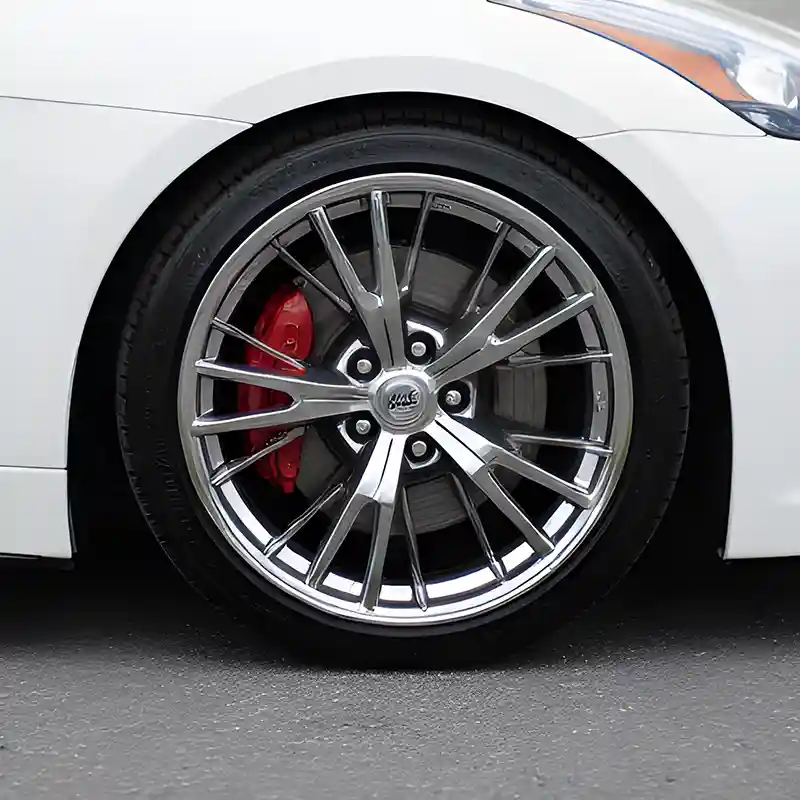
Tire construction, sidewall height, tread design, and wheel size all affect how your vehicle feels on the road. A tire with a taller sidewall may provide more cushioning over potholes and rough pavement, while lower-profile tires may offer sharper handling but a firmer ride.
Consider the roads you drive most often and whether you prioritize comfort or performance.
Consider Tread Life
Daily drivers often put many miles on their tires, making tire life an important consideration.
Some tires are designed for long-lasting tread life, while performance tires may prioritize handling and traction. Check the manufacturer’s treadwear warranty when comparing options.
Proper inflation, rotation, alignment, and maintenance can also help promote even tread wear and maximize tire life.
Don’t Ignore Wet Weather Traction
Rain can create challenging driving conditions, so wet-weather performance is important for daily drivers.
Look for tires designed to provide reliable wet braking and handling. Tread patterns with channels that help move water away from the tire’s contact area can help improve traction and reduce hydroplaning risk.
When comparing tires, you may also see ratings related to traction and temperature. These ratings can provide additional information when evaluating tire performance.
Check the Load Index and Speed Rating
Your tires should have an appropriate load index and speed rating for your vehicle.
The load index indicates how much weight a tire is designed to support under specified conditions. The speed rating indicates the tire’s rated ability to perform at its specified maximum speed under testing conditions.
Always choose tires that meet your vehicle manufacturer’s requirements. Tires can safely support your vehicle only when they are properly selected, inflated, and used within their specifications.
Consider Road Noise
Road noise can have a major impact on driving comfort, particularly during long commutes.
Some tires are engineered to provide a quieter ride, while aggressive tread patterns may generate more noise on pavement.
If you value a peaceful cabin, consider touring or highway-focused tires designed with comfort and noise reduction in mind.
Match Tires to Your Driving Habits
Think about how you actually use your vehicle. Do you primarily drive:
- In the city?
- On highways?
- On rural roads?
- In heavy traffic?
- Long distances?
- In frequent rain?
- In winter weather?
A driver with a long daily commute may prioritize tread life, comfort, and fuel efficiency, while another driver may place more emphasis on handling or appearance.
Choosing tires based on your actual driving habits can help you get better performance and value.
Consider Fuel Efficiency
Rolling resistance can affect fuel economy. Some tires are designed to reduce rolling resistance, potentially helping improve efficiency.
However, tire selection often involves tradeoffs. A tire designed for maximum performance or aggressive traction may have different rolling resistance characteristics than an efficiency-focused touring tire.
If fuel economy is important to you, ask about tires designed with efficiency in mind.
Maintain Your Tires
Even the best tires won’t perform properly without regular maintenance.
Check your tires for:
- Uneven tread wear
- Low tread depth
- Cracks
- Bulges
- Punctures
- Embedded objects
Maintain the recommended tire pressure and rotate your tires according to your vehicle or tire manufacturer’s guidelines.
Proper alignment can also help prevent uneven wear and extend tire life.
Get Help Buying New Tires
Choosing the right tires involves more than finding a size that fits. Weather, road conditions, comfort, tread life, load index, speed rating, and your driving habits should all be considered.
At Automotive Expressions, we can help you explore tires for your vehicle based on how you drive and what you want from your tires. Whether you’re looking for dependable all-season tires for your commute, touring tires for a comfortable ride, or specialized tires for changing weather conditions, our team can help you find the right fit.
Contact Automotive Expressions to learn more about buying new tires for your daily driving needs.
Frequently Asked Questions About Daily Driving Tires
What type of tires are best for daily driving?
For many drivers, all-season or touring tires offer a good balance of comfort, handling, traction, and tread life. The best choice depends on your vehicle and local driving conditions.
Are all-season tires good for everyday driving?
Yes. All-season tires are popular for daily driving in areas with moderate weather. Drivers who regularly experience heavy snow or freezing temperatures may benefit from dedicated winter tires.
How long should daily driving tires last?
Tire life varies based on the tire, driving habits, road conditions, maintenance, and climate. Regular inspections and proper maintenance can help maximize tread life.
Should I choose comfort or performance tires?
It depends on your priorities. Touring tires often emphasize comfort and quiet operation, while performance tires typically focus more on handling and steering response.
Can Automotive Expressions help me choose tires for my vehicle?
Yes. Automotive Expressions can help you compare tire sizes, types, tread designs, load index, and performance characteristics to find an option that fits your vehicle and everyday driving needs.