How Tire Size Affects Ride Quality
Learn how tire size, sidewall height, width, and wheel diameter affect ride quality, comfort, handling, and road feel. Find the right fitment today!
How Tire Size AffectsRide Quality
When choosing new tires or upgrading your wheels, appearance and performance are often top priorities. However, tire size can also have a significant impact on ride quality. Tire dimensions influence how your vehicle absorbs bumps, responds to road imperfections, and feels behind the wheel.
Changing tire size can affect comfort, handling, steering response, road noise, and the overall driving experience.
At Automotive Expressions, we help drivers explore wheel and tire options based on their vehicles, driving habits, and preferences.
How Does Tire Size Affect Ride Quality?
Tire size affects ride quality primarily through the relationship between the tire’s sidewall height, width, and overall diameter.
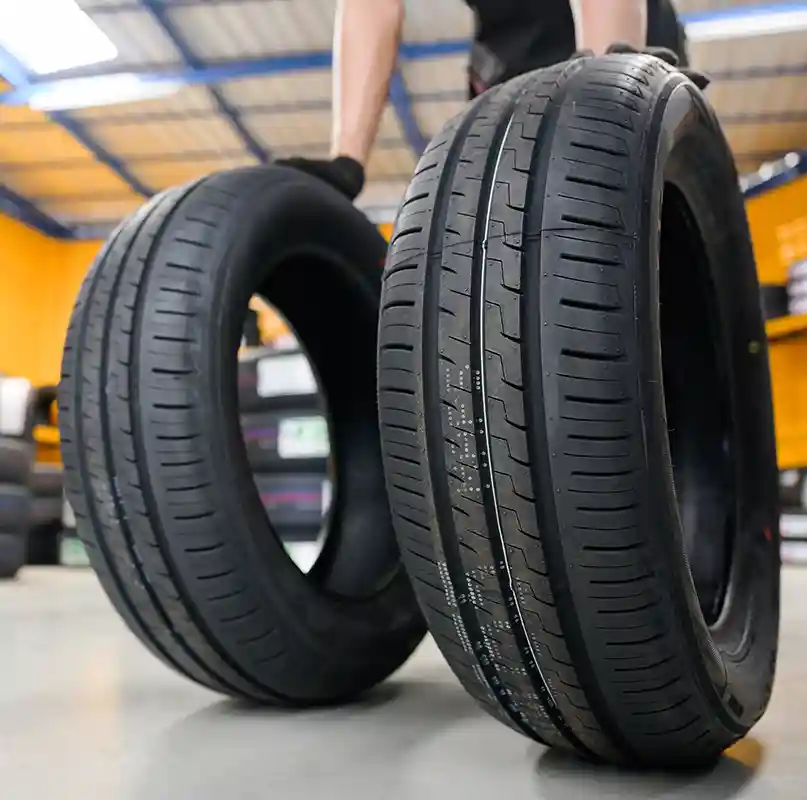
The tire sidewall acts as a cushion between your vehicle and the road. When you drive over potholes, cracks, and other imperfections, the sidewall flexes to absorb some of the impact before it reaches the suspension and cabin.
A tire with a taller sidewall generally provides more cushioning, while a lower-profile tire may provide more contact with the road and transmit more road feedback.
Taller Sidewalls Can Provide a Smoother Ride
A tire with a taller sidewall typically has more flexibility, which can help absorb bumps and imperfections. Taller-sidewall tires are common on vehicles where comfort is a priority, as well as many trucks and SUVs.
Potential benefits include:
- Improved impact absorption
- A softer ride over rough pavement
- More cushioning over potholes
- Reduced harshness from road imperfections
However, taller sidewalls may allow more flex during cornering, creating a less responsive steering feel.
Lower-Profile Tires Can Create a Firmer Ride
When drivers upgrade to larger wheels, they often use lower-profile tires to maintain a similar overall tire diameter.
Lower-profile tires have shorter sidewalls, providing less cushioning between the wheel and road. This can result in a firmer ride and more noticeable road feedback.
Potential benefits include:
- More responsive steering
- Sharper handling
- Improved cornering feel
- A sportier appearance
The tradeoff is that low-profile tires may feel harsher on rough roads and can be more vulnerable to pothole damage.
Larger Wheels vs. Smaller Wheels
Wheel size can have a significant effect on ride comfort. Moving from smaller wheels to larger wheels typically requires a shorter tire sidewall if you want to maintain a similar overall tire diameter.
The result may be a firmer ride because there is less sidewall to absorb impacts.
This doesn’t mean larger wheels always create an uncomfortable ride. Tire construction, inflation pressure, suspension, and vehicle design also play important roles.
Tire Width and Pressure Matter
Tire width can influence steering feel and how your vehicle responds to road surfaces. Wider tires may also be more sensitive to grooves or uneven pavement.
Tire pressure is equally important. Overinflated tires can feel firmer and transmit more road impact, while underinflated tires can negatively affect handling, wear, and fuel economy.
Always follow the vehicle manufacturer’s recommended tire pressure found on the driver’s-side door jamb label or owner’s manual.
Tire Type Also Makes a Difference
Different tire types are designed for different purposes:
- Touring tires may prioritize comfort and quiet operation.
- Performance tires may emphasize handling and steering response.
- All-season tires offer versatility for various conditions.
- Off-road tires may have aggressive tread patterns and increased road noise.
- Winter tires are designed for cold temperatures and winter conditions.
When selecting tires, consider both size and the type of driving you do.
Ride Quality vs. Handling
Choosing tire size often involves balancing comfort and handling.
A taller sidewall can provide a more comfortable ride but may allow more flex during cornering. A lower-profile tire can offer sharper steering response and a sportier feel but may transmit more bumps and road imperfections.
Your ideal setup depends on your priorities and where you drive. A daily commuter may prioritize comfort and low road noise, while a performance driver may prefer handling and responsiveness.
Finding the Right Balance
There isn’t one tire size that provides the best ride quality for every vehicle. When choosing a new setup, consider:
- Tire width
- Sidewall height
- Wheel diameter
- Overall tire diameter
- Tire construction
- Tire type
- Inflation pressure
- Vehicle suspension
- Driving conditions
A well-matched wheel and tire combination can help you achieve the balance of comfort, handling, appearance, and performance you want.
Get Help Choosing the Right Tire Size
Tire size can have a noticeable effect on ride quality, but it’s only one part of the equation. Wheel size, sidewall height, tire construction, tire pressure, and suspension all contribute to how your vehicle feels on the road.
At Automotive Expressions, we help drivers evaluate wheel and tire combinations based on their vehicles and goals. Whether you’re looking for a comfortable daily-driving setup, a sportier feel, or a custom wheel and tire package, our team can help you explore your options.
Contact Automotive Expressions to find a wheel and tire combination that fits your vehicle and delivers the ride quality you want.
Frequently Asked Questions About Tire Size and Ride Quality
Do larger tires provide a smoother ride?
Not always. A larger tire with a taller sidewall may provide more cushioning, while larger wheels paired with low-profile tires can create a firmer ride.
Do low-profile tires make a vehicle ride rougher?
They can. Lower-profile tires have shorter sidewalls, which generally provide less cushioning over bumps and road imperfections.
Do bigger wheels affect ride comfort?
They can. Larger wheels often require lower-profile tires, which may result in a firmer ride and more road feedback.
Are wider tires more comfortable?
Not necessarily. Ride comfort depends on sidewall height, tire construction, inflation pressure, tread design, and suspension.
Can Automotive Expressions help me choose tires for a smoother ride?
Yes. Automotive Expressions can help you evaluate tire sizes, wheel options, and tire types based on your vehicle, driving conditions, and desired balance of comfort and performance.