How to Determine Brake Clearance: Make Sure Your New Wheels Fit
Learn how to determine brake clearance before buying aftermarket wheels. Discover how wheel diameter, spoke design, offset and brake size affect wheel fitment.
How to DetermineBrake Clearance
You can choose the correct bolt pattern, wheel width, wheel offset and tire size—and still discover that your new wheels won’t fit.
Why?
Because of brake clearance.
Brake clearance is one of the most overlooked aspects of wheel fitment, yet it is one of the most important. Many aftermarket wheel fitment problems occur because buyers assume that if a wheel has the correct diameter, it will automatically clear the vehicle’s brakes.
Unfortunately, that’s not always true.
Modern vehicles often feature larger brake packages than previous generations, and many performance models include oversized brake calipers that require additional clearance. Even some trucks and SUVs equipped with towing packages or upgraded brakes have unique fitment requirements.
At Automotive Expressions, we evaluate brake clearance as part of every complete wheel and tire package. This guide explains what brake clearance is, why it matters and how to determine whether aftermarket wheels will properly fit your vehicle.
What Is Brake Clearance?
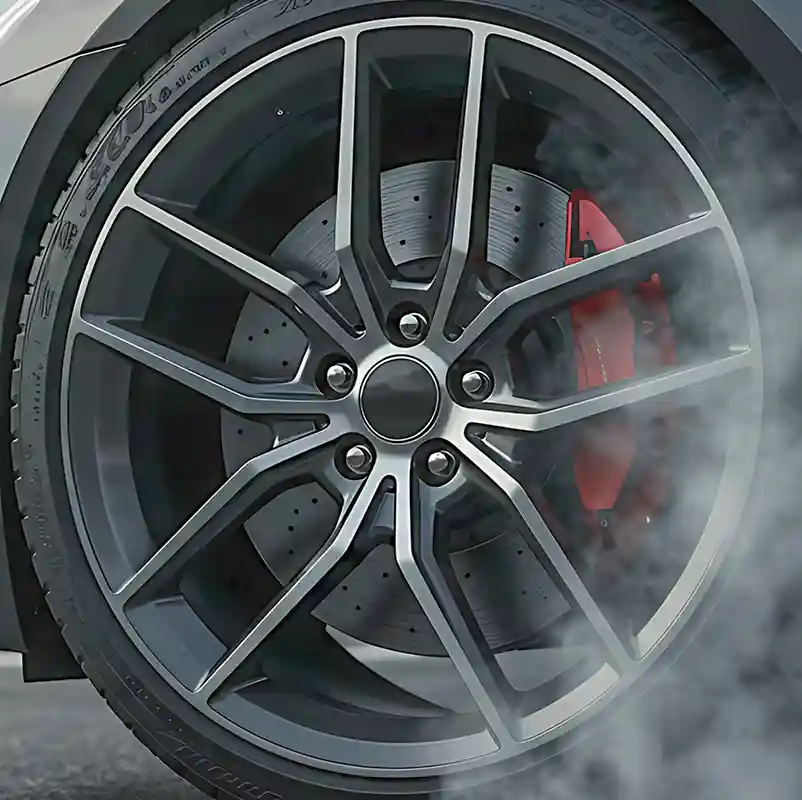
Brake clearance refers to the amount of space between your wheel and the braking components behind it.
These components include:
-
Brake calipers
-
Brake rotors
-
Brake brackets
-
Parking brake components (on some vehicles)
The wheel must provide enough room for these parts throughout normal driving without making contact.
If the wheel does not provide adequate clearance, it cannot be safely installed.
Why Brake Clearance Matters
A wheel that contacts the brake caliper or other braking components cannot function properly.
Insufficient brake clearance can result in:
-
Wheels that cannot be installed
-
Contact between the wheel and brake caliper
-
Damage to wheels
-
Damage to brake components
-
Unsafe driving conditions
-
Costly returns or replacement parts
Checking brake clearance before purchasing wheels helps prevent these problems.
Wheel Diameter Isn’t the Only Factor
Many people believe larger wheels automatically provide enough room for larger brakes.
That isn’t always true.
While wheel diameter certainly affects available space, brake clearance also depends on:
-
Wheel spoke design
-
Wheel barrel shape
-
Wheel offset
-
Brake caliper size
-
Brake rotor diameter
-
Vehicle-specific brake package
Two 20-inch wheels from different manufacturers may provide very different amounts of brake clearance.
Wheel Spoke Design
The spokes of a wheel are one of the biggest factors affecting brake clearance.
Some wheel designs place the spokes closer to the brake caliper than others.
Depending on the design, two wheels with identical diameter and width may have completely different clearance characteristics.
Wheel manufacturers use a variety of spoke styles, including:
-
Flat spokes
-
Concave spokes
-
Deep-concave wheels
-
Mesh designs
-
Split spokes
-
Multi-spoke wheels
Each design changes the amount of room available around the brake caliper.
Wheel Barrel Design
The inside barrel of the wheel also affects brake clearance.
The barrel surrounds the brake rotor and caliper.
Some wheels have:
-
Larger internal barrels
-
Different barrel profiles
-
More internal clearance than others
This is another reason why wheel diameter alone cannot determine fitment.
Wheel Offset and Brake Clearance
Wheel offset affects where the wheel sits relative to the hub.
Changing offset can also change the relationship between the wheel and the brake caliper.
A different offset may:
-
Increase available clearance
-
Reduce available clearance
-
Affect spoke position
-
Influence suspension clearance
Offset should always be evaluated together with brake clearance rather than independently.
Factory Brake Packages
Not every version of a vehicle uses the same brakes.
Different trim levels may include:
-
Larger rotors
-
Larger calipers
-
Performance brake packages
-
Heavy-duty towing brakes
-
Sport packages
For example:
A performance trim may require a completely different wheel than the base model.
This is one reason Automotive Expressions asks for your:
-
Year
-
Make
-
Model
-
Trim level
before recommending aftermarket wheels.
Aftermarket Brake Upgrades
Brake clearance becomes even more important after upgrading brakes.
Performance brake systems often use:
-
Larger rotors
-
Multi-piston calipers
-
Larger caliper bodies
These upgrades frequently require wheels with additional clearance.
Before ordering aftermarket wheels, always consider whether future brake upgrades are planned.
Selecting wheels that accommodate future upgrades can save money later.
Brake Clearance on Lifted Trucks
Many truck owners assume that installing a lift kit solves all fitment concerns.
A lift kit creates additional vertical tire clearance but does not automatically create additional brake clearance.
Wheel design remains just as important.
Even on lifted trucks, the wheel must provide enough room for:
-
Factory brake calipers
-
Larger towing brakes
-
Future brake upgrades
Brake Clearance on Performance Cars
Brake clearance is especially important on sports cars and performance vehicles.
Many factory performance models include:
-
Larger brake rotors
-
Larger calipers
-
Multi-piston brake systems
These vehicles often require wheels specifically designed for high-performance brake packages.
Choosing wheels without considering brake clearance can result in expensive fitment problems.
How Automotive Expressions Checks Brake Clearance
When recommending wheels, Automotive Expressions evaluates much more than diameter.
We review:
-
Vehicle year
-
Make
-
Model
-
Trim
-
Factory brake package
-
Suspension modifications
-
Wheel diameter
-
Wheel width
-
Wheel offset
-
Wheel design
-
Tire size
-
Intended vehicle use
This allows us to recommend wheel packages designed to clear your brakes while also providing the appearance and performance you’re looking for.
Common Brake Clearance Mistakes
Assuming Bigger Wheels Always Fit
Larger wheels often provide more room—but not always enough.
Wheel design still matters.
Ignoring Trim Level
Brake packages frequently change between trim levels.
Always verify the exact vehicle configuration.
Forgetting Future Brake Upgrades
If larger brakes are planned, choose wheels that can accommodate those upgrades.
Buying Wheels Based Only on Appearance
Appearance is important, but brake clearance should always be confirmed before purchasing aftermarket wheels.
Signs of Brake Clearance Problems
If brake clearance is insufficient, you may notice:
-
Wheel will not install completely
-
Wheel contacts the brake caliper
-
Visible interference between wheel and brake components
-
Scraping noises
-
Damage to wheel finish
-
Difficulty rotating the wheel by hand after installation
Any suspected brake interference should be addressed immediately before driving the vehicle.
Frequently Asked Questions
Can two wheels with the same diameter have different brake clearance?
Yes.
Wheel spoke design, barrel shape and offset all affect brake clearance.
Will larger wheels always clear bigger brakes?
No.
Diameter alone does not determine brake clearance.
Does wheel offset affect brake clearance?
Yes.
Changing offset changes the wheel’s position relative to the brake components and can increase or decrease available clearance.
Do lifted trucks need brake clearance checks?
Absolutely.
A lift kit affects suspension height but does not eliminate brake clearance concerns.
How can I know if aftermarket wheels will clear my brakes?
The safest approach is having your vehicle evaluated by experienced wheel fitment professionals who consider the complete wheel, tire and brake package.
Let Automotive Expressions Help You Choose Wheels That Fit
Brake clearance is one of the most important parts of wheel fitment—and one of the easiest to overlook.
Before investing in aftermarket wheels, let Automotive Expressions help you verify that your new wheels will properly clear your vehicle’s brakes while also providing the appearance and performance you’re looking for.
Our experienced team proudly serves customers throughout Flowery Branch, Buford, Gainesville, Cumming, Suwanee, Sugar Hill and surrounding North Georgia communities with expert guidance on wheel fitment, tire selection, suspension upgrades and complete vehicle builds.
Contact Automotive Expressions today to discuss your vehicle and let us help you choose wheels that fit correctly the first time.
Our Service Area
At Automotive Expressions, we proudly serve drivers throughout Georgia—including Alpharetta, Atlanta, Buford, Cumming, Duluth, Dahlonega, Gainesville, Johns Creek, Lawrenceville, Sugar Hill, Suwanee, and surrounding areas—with top-quality auto accessories that elevate both style and functionality. Whether you’re upgrading your vehicle’s interior, enhancing exterior appeal, or adding custom features, our expert team offers premium products and professional installation tailored to your needs.