How to Choose the Right Wheel Size: A Complete Buyer’s Guide
Discover premium custom wheels at Automotive Expressions. Upgrade your vehicle’s look and performance today with expert service and top brands. Shop now!
How to Choose the Right Wheel Sizefor Every Vehicle
One of the first decisions you’ll make when upgrading your vehicle is choosing the right wheel size. While larger wheels often create a more aggressive appearance, selecting the correct wheel size involves much more than style.
The wheel diameter you choose affects tire selection, ride quality, handling, braking, suspension clearance, vehicle performance and even long-term ownership costs.
Whether you’re upgrading your daily driver, installing larger wheels on your truck or building a custom show vehicle, understanding how wheel size works can help you make a decision you’ll be happy with for years to come.
At Automotive Expressions, we help drivers throughout North Georgia choose complete wheel and tire packages that balance appearance, performance and proper fitment. This guide explains how to choose the right wheel size for your vehicle and why bigger isn’t always better.
What Does Wheel Size Mean
Wheel size generally refers to the diameter of the wheel measured in inches.
For example:
- 17-inch wheel
- 18-inch wheel
- 20-inch wheel
- 22-inch wheel
When you see a wheel listed as: 20×10
The numbers represent:
- 20-inch diameter
- 10-inch width
Diameter and width work together, but they affect different aspects of wheel fitment.
Choosing the right wheel size means evaluating the complete package—including tires, suspension and vehicle use—not simply selecting the largest wheel available.
This commitment to quality means you receive wheels that not only look stunning but also improve your vehicle’s handling and ride comfort. Our custom wheels are designed to meet or exceed OEM standards, ensuring perfect fitment and reliable performance.
Why Wheel Size Matters
Wheel size influences nearly every aspect of how your vehicle drives and looks.
Changing wheel diameter can affect:
- Tire sidewall height
- Ride comfort
- Steering response
- Cornering
- Brake clearance
- Wheel weight
- Tire cost
- Speedometer accuracy
- Fuel economy
- Off-road capability
- Ground clearance
- Overall appearance
The best wheel size depends on how you use your vehicle rather than current trends.
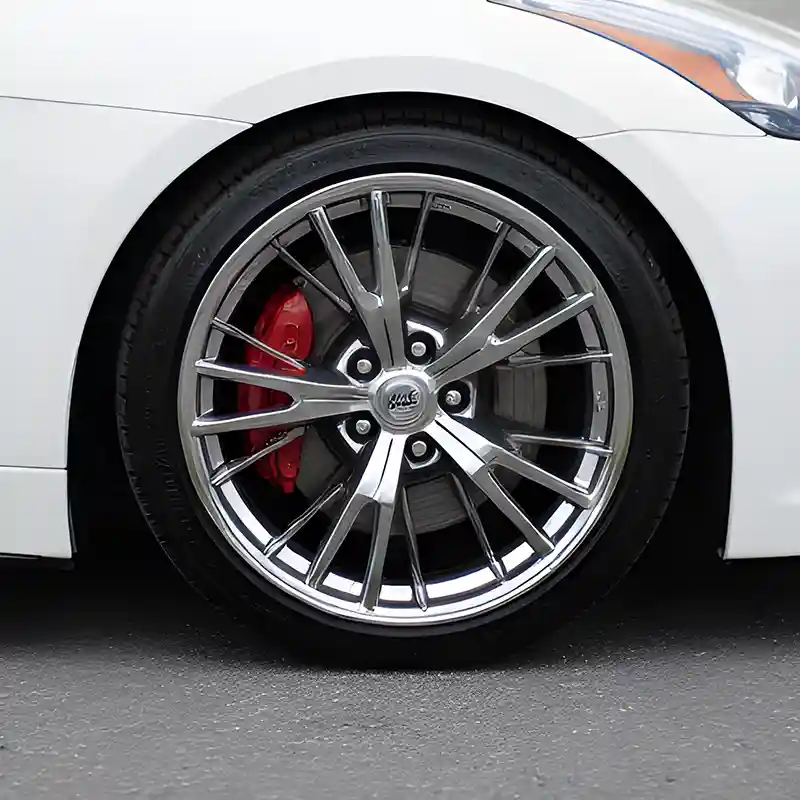
Start With Your Vehicle’s Intended Use
Before choosing wheels, ask yourself one simple question:
How do I use my vehicle most often?
Your answer will help determine the best wheel size.
Daily Driver
If your vehicle spends most of its time commuting or running errands, priorities usually include:
- Ride comfort
- Low road noise
- Good fuel economy
- Affordable tire replacement
- Reliable all-weather performance
Many daily drivers benefit from moderate wheel sizes that maintain adequate tire sidewall for comfort and durability.
Performance Vehicle
Drivers looking for sharper handling may prioritize:
- Steering response
- Cornering stability
- Larger brake clearance
- Wider tire options
Performance vehicles often use larger wheels combined with lower-profile tires to improve responsiveness while maintaining proper overall tire diameter.
Truck or SUV
Truck owners often upgrade wheels to:
- Improve appearance
- Install larger tires
- Add a lift kit
- Increase off-road capability
The correct wheel size should complement the intended tire size and suspension setup.
Off-Road Vehicle
Off-road vehicles typically benefit from a balance between wheel diameter and tire sidewall.
A larger wheel is not always the best choice.
Many off-road enthusiasts prefer additional tire sidewall because it can:
- Improve traction
- Better absorb rough terrain
- Allow lower tire pressures on appropriate terrain
- Provide additional protection for the wheel
How Wheel Size Affects Tire Sidewall
One of the biggest changes that occurs when increasing wheel diameter is the tire sidewall.
To maintain a similar overall tire height, a larger wheel usually requires a shorter sidewall.
For example:
A vehicle moving from an 18-inch wheel to a 20-inch wheel often uses a lower-profile tire.
This change affects:
- Ride comfort
- Steering feel
- Road noise
- Impact resistance
- Appearance
Lower-profile tires generally provide quicker steering response but less cushioning over rough roads.
Taller sidewalls typically offer a smoother ride and greater protection from potholes.
How Wheel Size Affects Ride Quality
Ride quality depends on several factors, but wheel diameter plays an important role.
Larger Wheels
Larger wheels often:
- Improve appearance
- Increase steering responsiveness
- Reduce tire sidewall flex
However, they may also:
- Produce a firmer ride
- Transfer more road imperfections into the cabin
- Increase the likelihood of wheel damage from potholes
- Increase tire replacement costs
- Smaller Wheels
Smaller wheels paired with taller sidewall tires generally:
- Improve ride comfort
- Better absorb bumps
- Protect wheels from impact damage
- Offer greater flexibility for rough roads
The best ride quality usually comes from selecting the wheel size that matches how the vehicle is driven.
How Wheel Size Affects Handling
Wheel diameter can influence handling characteristics.
Larger wheels with lower-profile tires often provide:
- More responsive steering
- Reduced sidewall flex
- Better cornering feel
However, handling also depends on:
- Tire construction
- Suspension setup
- Alignment
- Tire pressure
- Wheel weight
A larger wheel does not automatically create better handling.
A properly matched wheel and tire package is far more important than diameter alone.
How Wheel Size Affects Brake Clearance
Many performance vehicles require larger wheels simply to clear larger brake components.
Brake clearance depends on:
- Wheel diameter
- Wheel design
- Wheel offset
- Brake package
Some aftermarket brake upgrades also require larger wheels than the factory equipment.
Before changing wheel size, brake clearance should always be verified.
How Wheel Size Affects Tire Availability
Wheel diameter affects the number of tire choices available.
Some wheel sizes offer:
- More tire options
- Better pricing
- Easier replacement
- Greater availability
Others may have fewer choices or require specialty tires.
Replacement cost should be considered before selecting uncommon wheel sizes.
Wheel Size and Lifted Trucks
Truck owners often increase wheel diameter when installing lift kits.
However, lift height should not determine wheel size by itself.
Instead, consider:
- Desired tire diameter
- Tire sidewall
- Intended use
- Wheel offset
- Suspension clearance
- Ride quality
Many lifted trucks perform exceptionally well with moderate wheel diameters and larger tire sidewalls.
A larger wheel is not always the most practical solution.
Wheel Size and Lowered Vehicles
Lowered vehicles often use larger wheels to create a more aggressive appearance.
However, lowering also reduces available suspension travel.
Wheel size should be selected together with:
-
Tire size
-
Offset
-
Suspension setup
-
Fender clearance
Proper planning helps reduce rubbing while maintaining a balanced appearance.
Should You Go Bigger Than Factory?
Many customers ask:
“Can I install larger wheels than my vehicle came with?”
The answer is often yes.
However, increasing wheel diameter should include consideration of:
-
Tire size
-
Overall tire diameter
-
Speedometer accuracy
-
Suspension clearance
-
Ride quality
-
Brake clearance
-
Intended use
The best upgrade is usually the one that improves appearance while maintaining everyday drivability.
Common Wheel Size Mistakes
Choosing Wheels Based Only on Appearance
The biggest wheel isn’t always the best wheel.
Appearance should be balanced with function.
Ignoring Tire Cost
Larger wheels often require more expensive tires.
Future replacement costs should be considered.
Forgetting About Ride Quality
Lower-profile tires may produce a firmer ride than expected.
Not Considering Suspension
Wheel size should always be evaluated with:
-
Lift kits
-
Lowering kits
-
Factory suspension
-
Future modifications
Buying Wheels Before Planning the Entire Build
The best wheel packages are planned alongside:
-
Tires
-
Suspension
-
Intended vehicle use
instead of selecting each separately.
How Automotive Expressions Helps You Choose the Right Wheel Size
Every customer has different goals.
Some want an aggressive show-truck appearance.
Others prioritize towing, off-road capability or everyday comfort.
Before recommending wheel sizes, Automotive Expressions considers:
-
Vehicle year
-
Make
-
Model
-
Trim
-
Suspension setup
-
Tire selection
-
Driving habits
-
Budget
-
Desired appearance
By evaluating the complete package, we help customers choose wheels that look great while maintaining proper fitment and drivability.
Frequently Asked Questions
What is the best wheel size for my vehicle?
The best wheel size depends on your vehicle, suspension, tire selection and intended use. There is no universal answer.
Will larger wheels improve handling?
They can improve steering response in some situations, but overall handling depends on the complete wheel, tire and suspension package.
Are bigger wheels always better?
No.
Larger wheels may improve appearance but can also affect ride comfort, tire cost and overall performance.
Do larger wheels require different tires?
Usually.
Increasing wheel diameter often requires a lower-profile tire to maintain a similar overall tire height.
Can I keep my factory tires when buying larger wheels?
In most cases, no.
Larger wheels typically require different tire sizes that match the new wheel diameter.
Let Automotive Expressions Help You Choose the Right Wheel Size
Choosing the right wheel size is one of the most important decisions you’ll make when upgrading your vehicle.
Whether you’re looking for improved appearance, better handling, larger tires or a complete custom build, Automotive Expressions can help you choose wheels that fit your vehicle and support the way you drive.
Our experienced team proudly serves customers throughout Flowery Branch, Buford, Gainesville, Cumming, Suwanee, Sugar Hill and surrounding North Georgia communities with expert advice on wheel fitment, tire selection and complete vehicle builds.
Contact Automotive Expressions today to discuss your vehicle and let us help you choose the right wheel size for your next upgrade.
Our Service Area
At Automotive Expressions, we proudly serve drivers throughout Georgia—including Alpharetta, Atlanta, Buford, Cumming, Duluth, Dahlonega, Gainesville, Johns Creek, Lawrenceville, Sugar Hill, Suwanee, and surrounding areas—with top-quality auto accessories that elevate both style and functionality. Whether you’re upgrading your vehicle’s interior, enhancing exterior appeal, or adding custom features, our expert team offers premium products and professional installation tailored to your needs.